Thousands died from cold weather in England last winter as UKHSA issues ‘serious risk to health’ warning
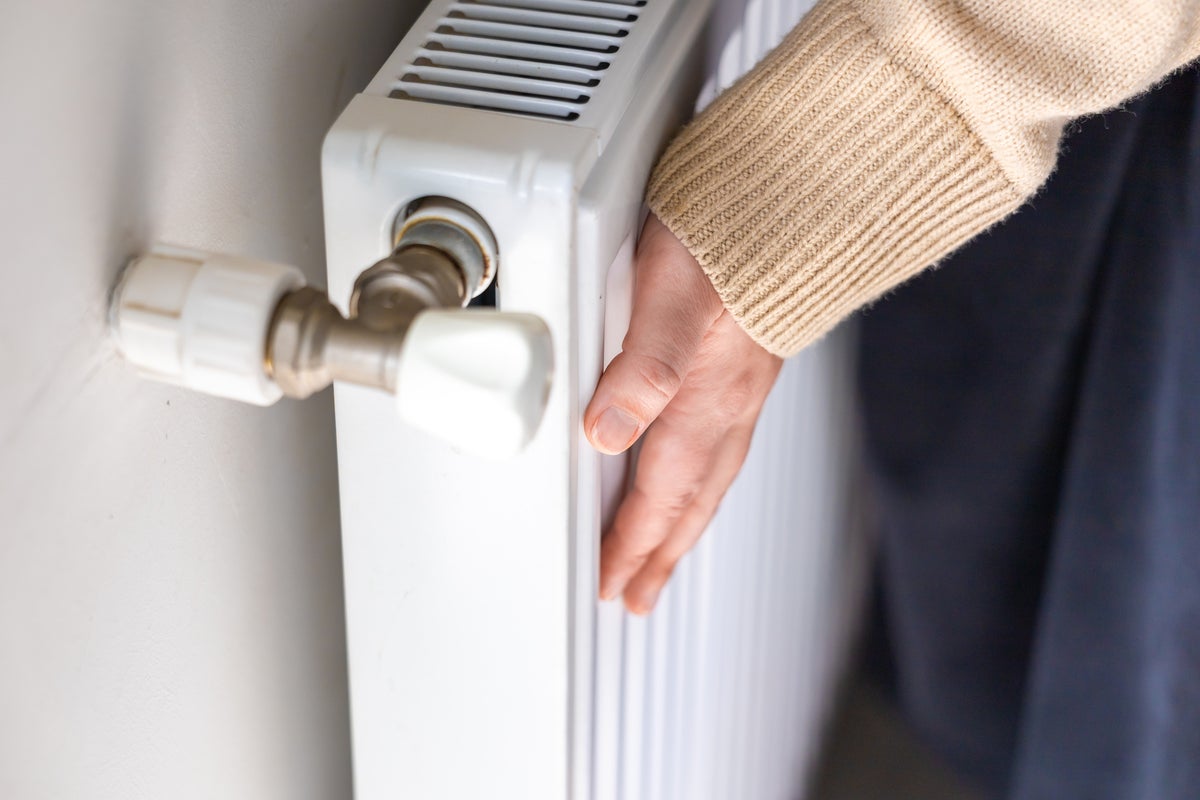
Cold weather was linked to an estimated 2,200 deaths last winter, marking a decline on the previous year, according to new statistics.
Data from the UK Health Security Agency (UKHSA) showed 1,565 deaths were directly related to cold weather regardless of flu levels, while 635 were connected to low temperatures driving an increase in flu.
A nine-day cold snap between 2 January and 10 January was associated with an estimated 1,563 fatalities.
In the previous year, cold weather was linked to an estimated 2,788 deaths.
The latest data for England indicated that people aged over 85 were at the greatest risk.
The UKHSA said the figures suggest people had a "greater vulnerability to cold weather and its impacts" during the most recent five-year timeframe.
It found that over five winters from 2014/15 to 2018/19, low temperatures were "associated with a less rapid increase in mortality" compared to the latest five-year period from 2020/21 to 2025/26.
“This may indicate that the population had greater vulnerability to cold weather and its impacts in the more recent five-year period,” the UKHSA said.
It said that deaths linked to cold weather occurred in care homes, hospitals and people’s own homes.
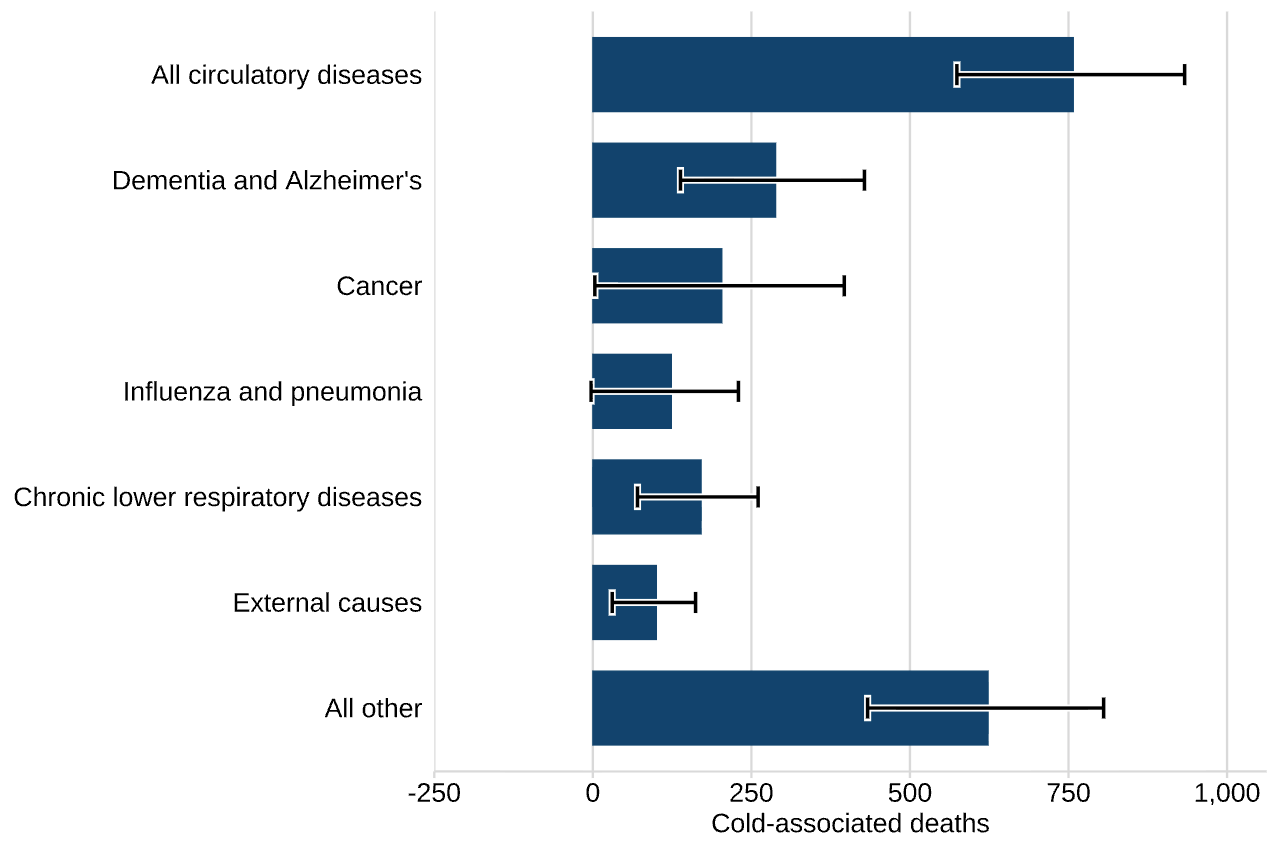
The UKHSA said circulatory diseases caused the highest number of deaths linked to the cold weather, with an estimated 757 deaths associated with these conditions.
The health body said regional differences in deaths linked to cold weather “do not always reflect differences in winter temperatures” after no increase in deaths found in the North East, even though the region experienced colder temperatures compared with many other parts of the country.
The highest death rate for cold weather deaths was in the North West, followed by the East Midlands and Yorkshire and The Humber.
Dr Agostinho Sousa, head of extreme events and health protection at the UKHSA, said: “Cold weather poses a serious risk to health, particularly for people who are more vulnerable because of their age, health or living circumstances.
“While this estimate of cold-associated deaths is lower than we saw during the previous winter, these figures show that even short periods of cold weather can have serious effects on health and can lead to increased deaths in the days and weeks that follow.
“As we head into winter, it is important that everyone takes simple steps to protect themselves and others.
“This includes keeping parts of our homes warm, checking in on friends, family and neighbours that are most vulnerable, and following weather forecasts and public health advice during cold weather.”
KioskNews shows a cleaned-up reading view extracted from the publisher’s page — the original always lives on their site, not ours.