One Of The Biggest Theories About RDJ's Doctor Doom Was Debunked 7 Years Before Avengers: Doomsday

Richard Craig is a Senior Author at Screen Rant covering film and TV. Richard has also written extensively about horror and film soundtracks, contributing a chapter to the first major academic collection on the folk horror genre, The Routledge Companion to Folk Horror. Richard is also a performing musician and holds an MA in Music and Sound Art.
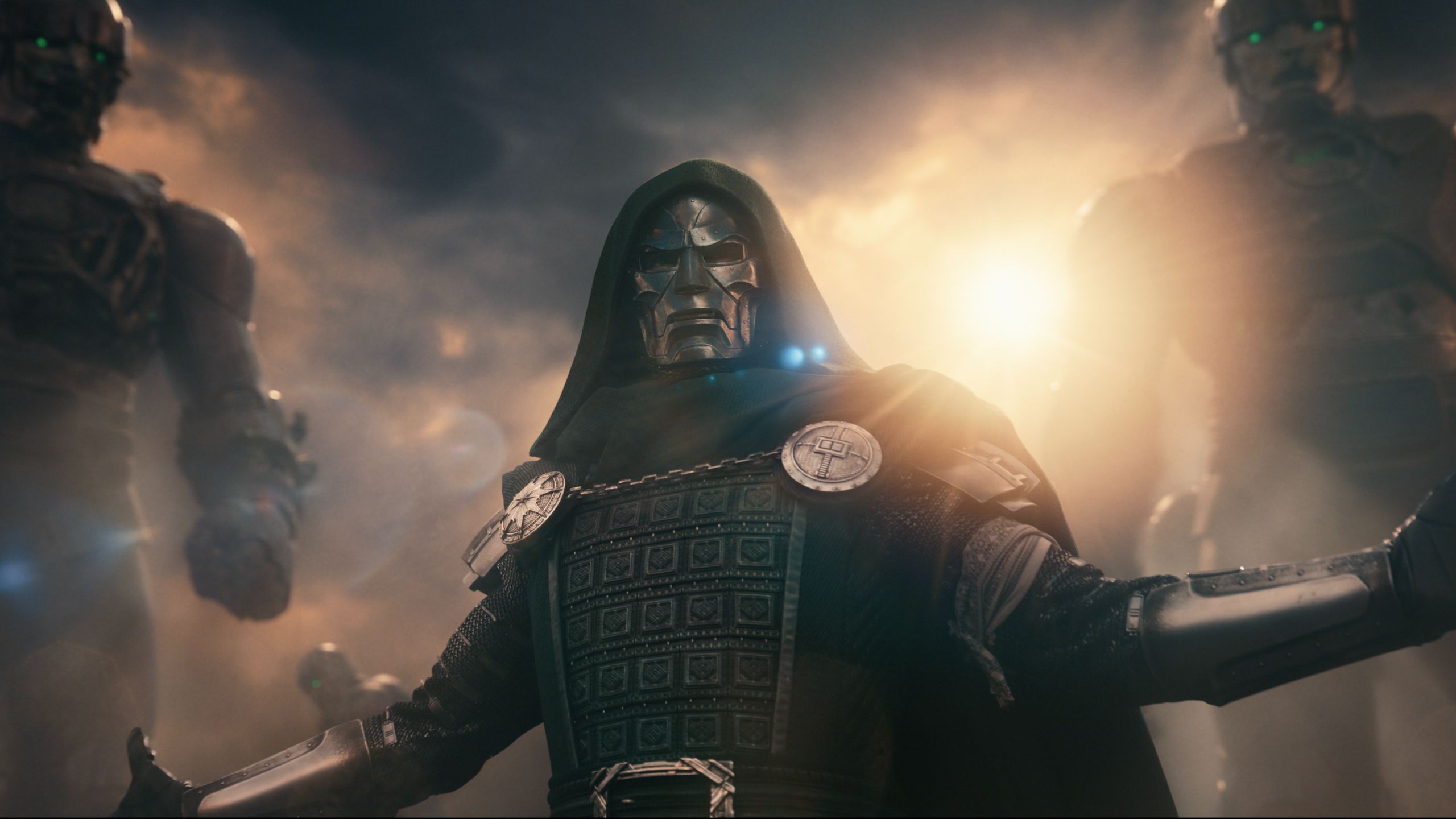
A highly popular theory regarding Robert Downey Jr.’s Doctor Doom in Avengers: Doomsday appears to have been debunked over seven years ago. After spending more than a decade as the face of the Marvel Cinematic Universe, Downey is trading Iron Man's armor for Doom's iconic metal mask, becoming the central antagonist of Avengers: Doomsday. It is an extraordinary casting decision, and one that Marvel Studios knows will invite plenty of questions.
Naturally, the biggest question concerns why the two characters look identical. The MCU timeline has introduced countless multiversal variants, alternate timelines, and entirely different versions of familiar heroes, giving audiences plenty of opportunities to speculate about Doom's relationship with the Avengers' fallen leader.
Whatever the explanation, Marvel needs to be careful about how it handles the connection. Tony Stark's journey from arrogant weapons manufacturer to the hero who sacrificed himself to save the universe remains one of the MCU's defining stories. Retrospectively changing his identity could undermine that achievement.
Interestingly, however, one particularly elaborate theory suggests that Tony was never really Tony Stark at all, but rather a Victor von Doom variant who was adopted by the Stark family. One scene in Avengers: Endgame at first appeared to support this, but now it seems the very same scene has debunked this theory.
The MCU's Tony Stark Was Actually A Victor Von Doom Variant – Theory Explained

The initial theory surrounding Downey's casting is that Doctor Doom is a Tony Stark variant from another universe. However, this was quickly dismissed by the Russo brothers. Since then, an alternative suggestion reverses that relationship, suggesting that the MCU's Tony Stark was actually a Victor von Doom variant who was adopted by Howard and Maria Stark. Rather than Doom being an alternate version of Iron Man, RDJ’s Tony would have been an alternate version of the Fantastic Four's greatest enemy all along.
There is some interesting comic-book precedent for the adoption angle. In the comics, Tony eventually discovers that Howard and Maria Stark are not his biological parents. The revelation initially comes in Kieron Gillen's Iron Man (vol. 5) #17, when Tony learns that he was adopted to conceal the existence of his biological brother, Arno Stark. Subsequent stories further complicated his parentage, identifying Amanda Armstrong and Jude as his biological parents. Marvel has therefore established that the Stark family history is considerably more complicated than Tony originally believed.
For proof, many have pointed to a seemingly suspicious moment in Avengers: Endgame. During the Time Heist, Tony encounters his father at Camp Lehigh in 1970, shortly before Howard reveals that Maria is pregnant. Tony reacts with noticeable surprise, which prompted speculation that he hadn't expected his mother to be pregnant with him. This has been interpreted as either confusion over the dates not matching his birth, or surprise that she’s pregnant at all because he knows he’s adopted.
It is an intriguing interpretation, particularly given the comic-book precedent and Downey's subsequent casting as Doom. However, the scene has a much more straightforward explanation, and the film's writers have already addressed precisely what Tony's reaction was supposed to mean.
Tony Stark Being Adopted Was Already Debunked

Seven years before Downey was announced as Doctor Doom, Avengers: Endgame effectively addressed the possibility that Tony was adopted. During the film's commentary, writers Christopher Markus and Stephen McFeely discussed the scene involving Tony's encounter with his father, clarifying that Maria was indeed pregnant with Tony. His reaction wasn't supposed to suggest that Howard and Maria were expecting somebody else.
This explanation matters because the adoption theory relies heavily on interpreting Tony's expression as evidence of a previously established family secret. Instead, the writers' commentary indicates that the character was simply reacting to the unusual experience of discussing his own mother being pregnant with him.
This doesn't necessarily make the theory impossible within the MCU's increasingly complicated multiverse, but it does remove its strongest piece of supporting evidence. The adoption angle was never established in the films, and the creative team behind Endgame specifically indicated that Tony was Howard and Maria's biological child.
Of course, the Russos could theoretically contradict that interpretation in a future movie, since commentary tracks aren't necessarily binding additions to the MCU's official canon. Nevertheless, Marvel would need a particularly convincing explanation to justify rewriting something the original filmmakers had already clarified. There is also a much bigger problem with making either character a variant of the other.
Why Making Either Tony Stark Or Doctor Doom A Variant Would Be A Mistake

Making Tony Stark a Victor von Doom variant would be a questionable creative decision, particularly because it would fundamentally alter how audiences understand the MCU's most important hero. Tony's journey is built around his individual choices, mistakes, and eventual willingness to sacrifice himself. Revealing that he was secretly connected to one of Marvel's greatest villains could introduce an unnecessary complication into an otherwise complete character arc.
It would continue the MCU’s trend of constantly revisiting The Infinity Saga rather than just moving forward with a new narrative. It would also risk diminishing Doom as a character. Victor von Doom is considerably more interesting when he exists independently of Iron Man, with his own history, motivations, ambitions, and complicated relationship with the Fantastic Four.
Reducing him to an alternate version of a character audiences already know would make his introduction feel less significant, particularly when Marvel has spent years establishing him as one of its most formidable comic-book antagonists. Reversing the relationship wouldn't necessarily work any better.
If Doom were simply an alternate Tony Stark, Marvel would have to spend considerable time explaining how this version of the character developed into the ruler of Latveria, acquired his mastery of both science and sorcery, and became such a fundamentally different individual. It could also create the impression that Doom's defining characteristics are merely darker extensions of Iron Man's personality.
How Marvel Can Still Explain Doom Looking Like Tony Stark
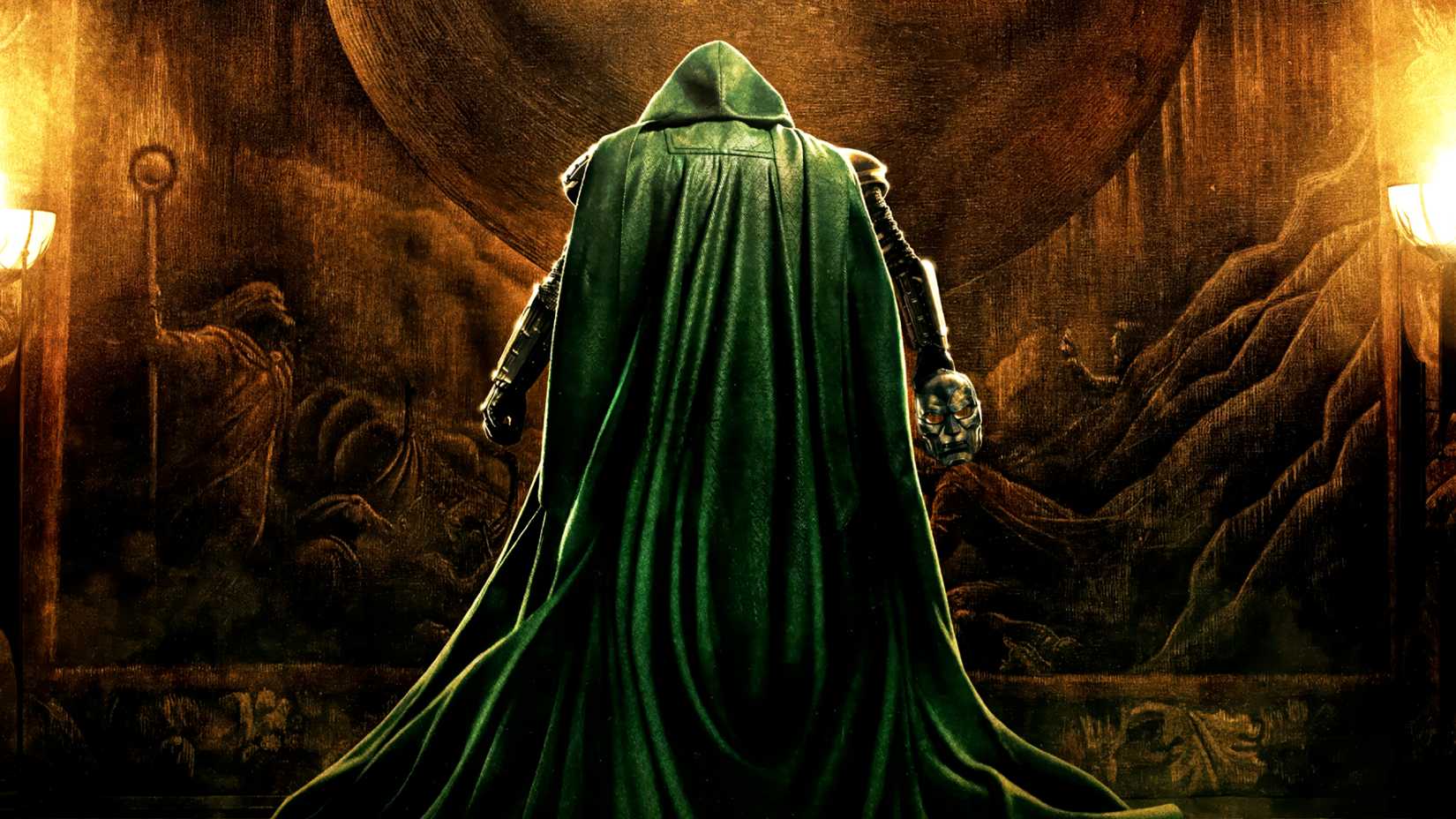
Fortunately, Marvel has several alternatives that could explain Downey's casting without undermining either character. One possibility is that Tony and Doom are actually brothers, potentially providing a new explanation for the complicated Stark family history. The Endgame time-heist scene could even be revisited in this context, with Tony's surprise at Howard's announcement taking on a different meaning.
Another possibility is that Doom's appearance is a multiversal coincidence. The MCU has already demonstrated that familiar actors can portray entirely different characters across alternate realities, most notably with Chris Evans playing Johnny Storm in Deadpool & Wolverine after spending years as Captain America. The multiverse makes it entirely possible for two unrelated individuals to share the same face, even if audiences would understandably expect some acknowledgment of the resemblance.
Magic or technology could provide another explanation. Doom is one of Marvel's most accomplished sorcerers and scientists, making him uniquely capable of manipulating his appearance. He could deliberately adopt Tony's face to deceive the Avengers, exploit their emotional attachment to Iron Man, or establish himself as a familiar figure before revealing his true intentions.
There has also been speculation about whether Marvel might introduce more than one version of Doctor Doom. The franchise could establish a primary Victor von Doom who looks different from Tony Stark, while Downey portrays a secondary variant whose appearance creates the confusion surrounding his identity. This would allow Marvel to retain the traditional character while still making Downey's casting narratively significant.
With the Russo brothers promising that the resemblance will make sense when audiences watch Avengers: Doomsday, Marvel clearly understands the importance of answering this question. Whatever the eventual explanation, the studio has an opportunity to introduce Doctor Doom as a formidable villain in his own right without rewriting the legacy of the MCU's greatest hero.
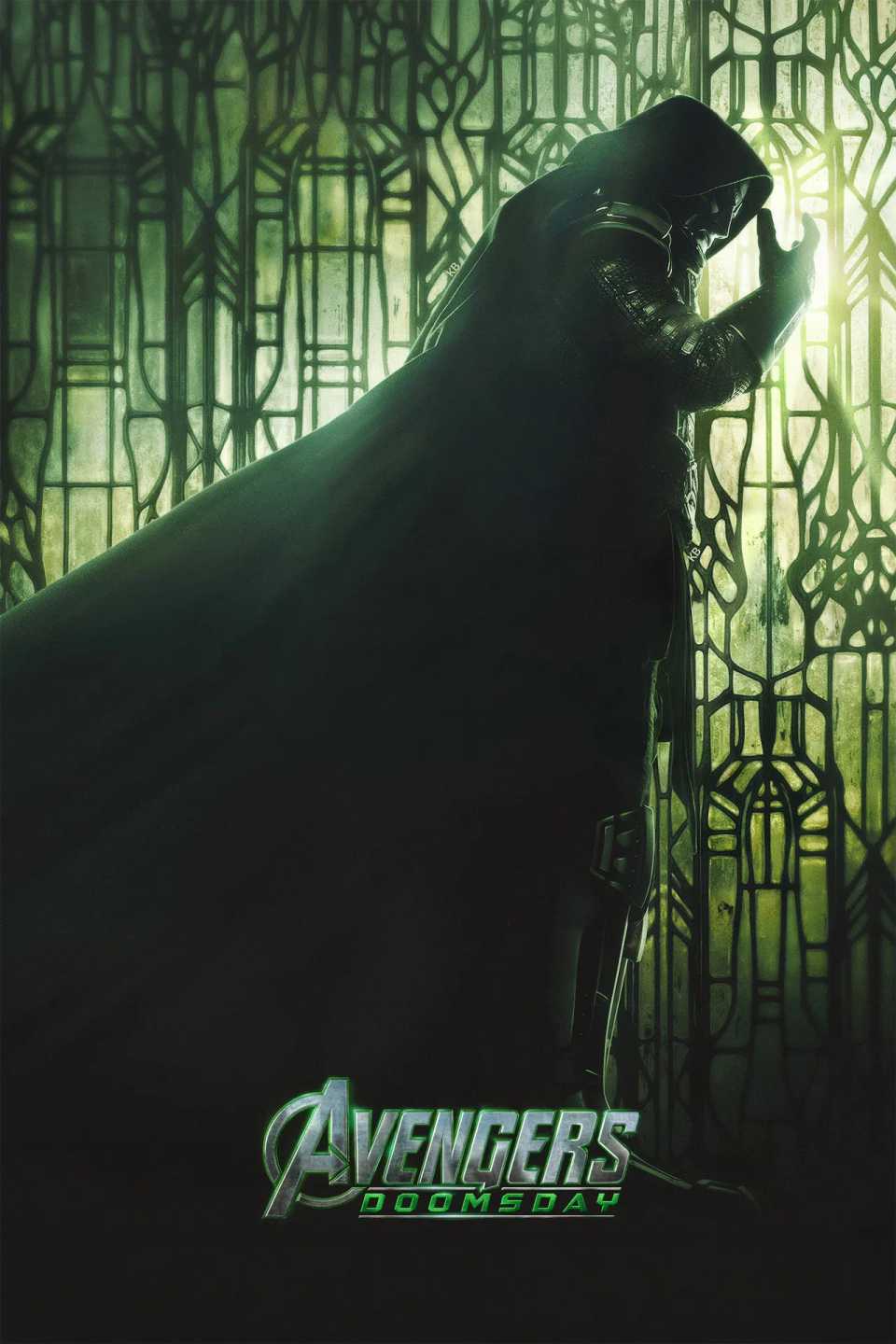
- Release Date
- December 18, 2026
- Runtime
- 165 Minutes
- Director
- Anthony Russo, Joe Russo
-

Victor von Doom
-

Reed Richards / Mr. Fantastic
-

Thor
-

Vanessa Kirby
Sue Storm / Invisible Woman
- Writers
- Stephen McFeely, Michael Waldron, Chris McKenna, Erik Sommers
- Producers
- Anthony Russo, Joe Russo, Kevin Feige, Louis D'Esposito, Jonathan Schwartz
- Prequel(s)
- Spider-Man: Brand New Day
- Sequel(s)
- Avengers: Secret Wars
- Franchise(s)
- Marvel Cinematic Universe, The Avengers, Fantastic Four, Black Panther, Thor, X-Men
KioskNews shows a cleaned-up reading view extracted from the publisher’s page — the original always lives on their site, not ours.