Tolkien Calls This the Most Tragic Moment in The Lord of the Rings

Michael John Petty is a Senior Author for Collider who spends his days writing, in fellowship with his local church, and enjoying each new day with his wonderful wife and precious daughters. At Collider, he writes features, reviews, recaps, interviews, and breaking news on select occasion. In addition to writing about stories, Michael has told a few of his own, from supernatural thrillers to historical fiction. His Western short story, The Devil's Left Hand, received the Spur Award for "Best Western Short Fiction" in 2025 from the Western Writers of America, of which he is a member. Michael currently resides in North Idaho with his growing family.
Sign in to your Collider account
The Lord of the Rings remains beloved today for its sprawling, epic take on the fantasy genre full of earnest characters and clear distinctions between good and evil. Even when there is some moral grey, J.R.R. Tolkien finds clever ways to correct his sprawling cast of iconic characters throughout the three-part novel trilogy by revealing the heart beneath.
With such an ambitious and foundational epic narrative, it makes sense that The Lord of the Rings is full of memorable and emotional moments. But there is one element of the Middle-earth saga that Tolkien himself still found most tragic years later, a moment that doesn't seem terribly complex or perhaps even noteworthy on the surface but has profound ramifications in the novel.
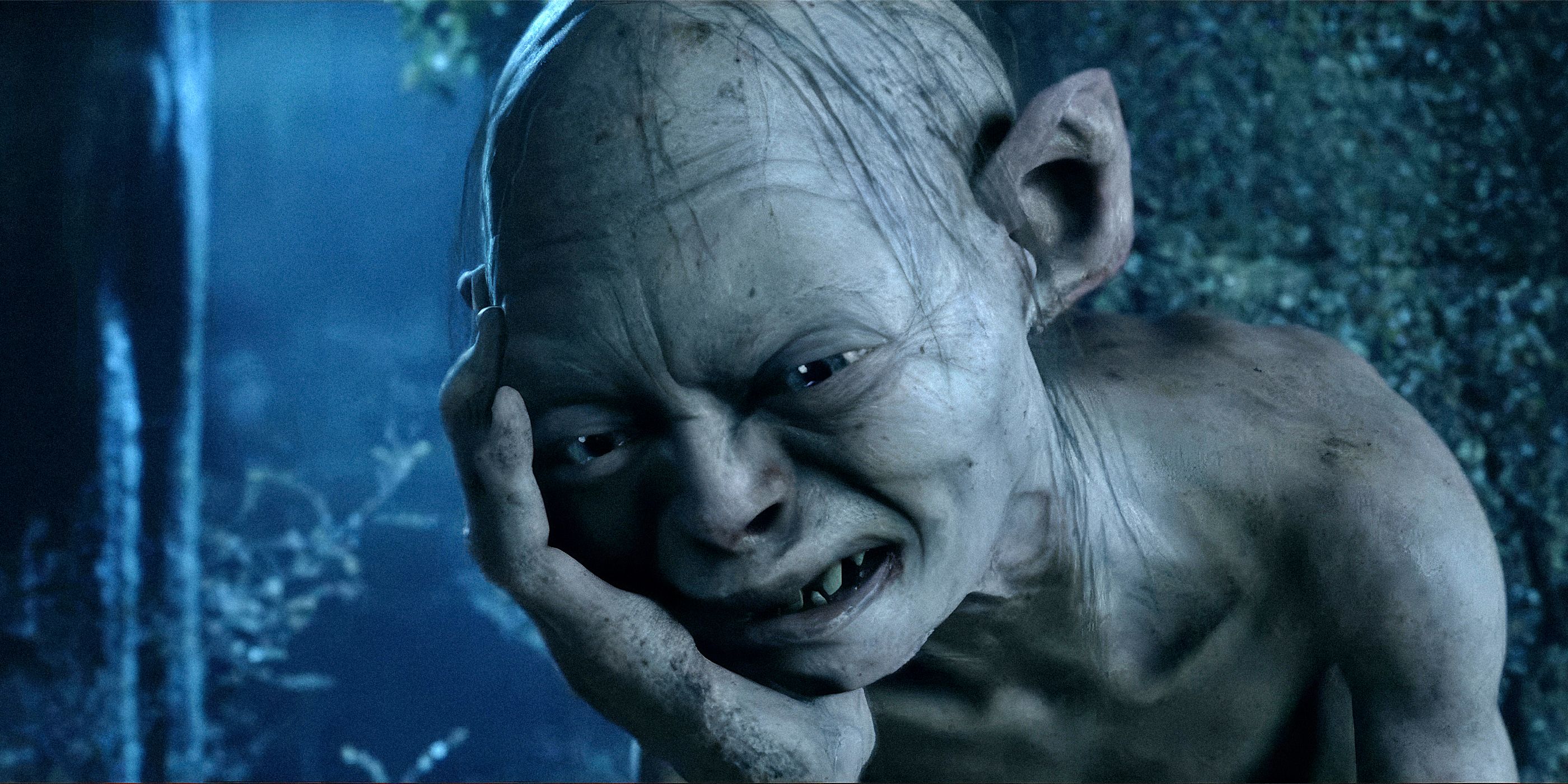
Tolkien Believed Sam Ruined Gollum's Potential Redemption in 'The Two Towers'

In 1968, Tolkien gave his last recorded interview to the BBC, just over 30 years after The Hobbit was published — for perspective, next year marks the 90th anniversary of the novel's publication. This interview was five years before the author's death, and the sit-down itself was filmed. Parts of this recorded interview now exist online — BBC even posted some on Facebook under its BBC Culture brand — and it has actively changed the way that Lord of the Rings fans engage with the text.
In this interview, the professor reveals exactly which sequence in the books is most impactful on him. Here are Tolkien's own words on the tragic matter: "People have often asked me what moves me most. I think the most tragic point in the whole story is the terrible irony that good often does evil. The most tragic moment is when Sam, in his protectiveness, says, 'Take your hands off.' And, therefore, defeats Gollum's repentance. Because that seems to be very true to life."
For most fans, Samwise Gamgee is one of the most important heroes in The Lord of the Rings. It's especially true for those who have only ever seen the Peter Jackson films, but it rings true to some extent in the novels as well. After all, as the ring-bearer himself remarks in The Two Towers, "Frodo wouldn't have gotten very far without Sam." Yet, according to Tolkien, this one particular moment paints Sam in a different light. Recorded in the very same chapter where the above quote comes from, "The Stairs of Cirith Ungol," we see exactly the moment that the author reflects on.
You see, near the end of this chapter, Sam and Frodo resolve to get some sleep while Gollum skulks around. When he returns later, he looks fondly on the hobbits, and even reaches out to Frodo's knee in an introspective moment that may have marked a turn in his heart. But when Frodo stirs, Sam awakens with a fury, believing the creature is "pawing" at his master. This simple lurch of protectiveness directly undercuts the work that the Ring-Bearer had done in Sméagol's life up to this point. Sam apologizes profusely, but the damage is done. Gollum's reflective moment of near-repentance is erased, and he pulls back, only to further plot evil against them.
'The Lord of the Rings' Uses Gollum's Fall to Save Middle-earth


Although he had made plans to offer up the hobbits to Shelob beforehand, it's here that Gollum officially resolves to do so. Sam and Gollum come to blows in the following chapter, though the hobbits are separated from the creature until they reach Mount Doom. But although this Two Towers moment places Gollum firmly in the hands of evil, Tolkien prevents Frodo from doing the same when he decides to keep the One Ring. According to the author, it was divine intervention from Eru Ilúvatar (the "God" of Middle-earth) that caused Gollum to ultimately trip and the ring to be destroyed, per his notes in The Letters of J.R.R. Tolkien. Thus, Frodo was offered another chance at repentance for succumbing to the power of the ring, while Gollum's fate, after many centuries, was finally sealed.
While the One Ring is destroyed in the end, we have to wonder if Frodo and Gollum would ever have fought over Sauron's secret weapon had Sam not chastised the former hobbit in the first place. It's hard to imagine Sméagol having turned away from the ring entirely, but perhaps that may have been the case had Sam met Gollum with grace rather than wrath. As for Tolkien, he believed that Sam's actions here were the final blow that sent Gollum to his dark fate — a fate that might have been avoided if forgiveness was offered rather than the sword. If that's not a sobering reminder to do good in the face of evil rather than return evil for evil, we don't know what is.
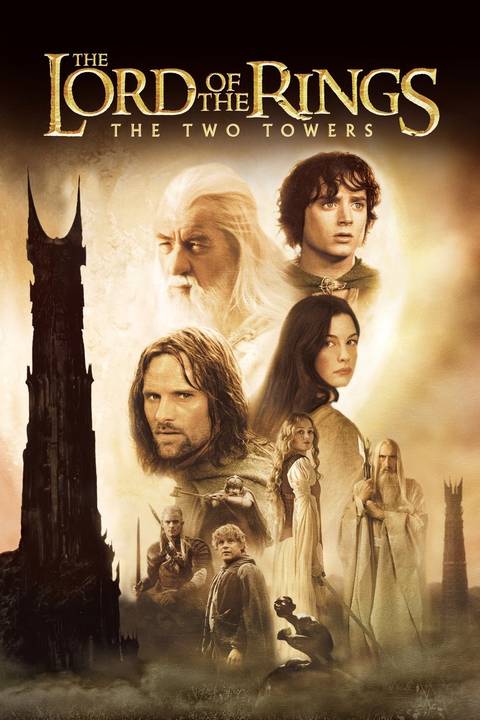
- Cast
- Elijah Wood, Ian McKellen, Viggo Mortensen, Sean Astin, Andy Serkis, John Rhys-Davies, Orlando Bloom, Bernard Hill, Miranda Otto, Dominic Monaghan, Billy Boyd, Christopher Lee, Cate Blanchett, Liv Tyler, Hugo Weaving, David Wenham, Brad Dourif, Karl Urban, Craig Parker, Bruce Allpress, John Bach, Sala Baker, Jed Brophy, Sam Comery, Calum Gittins
- Runtime
- 179 minutes
- Director
- Peter Jackson
- Writers
- Fran Walsh, Philippa Boyens, Peter Jackson, Stephen Sinclair, J.R.R. Tolkien
KioskNews shows a cleaned-up reading view extracted from the publisher’s page — the original always lives on their site, not ours.