Energy Commission, Ghana Hotels Association train Bono East hoteliers on energy efficiency
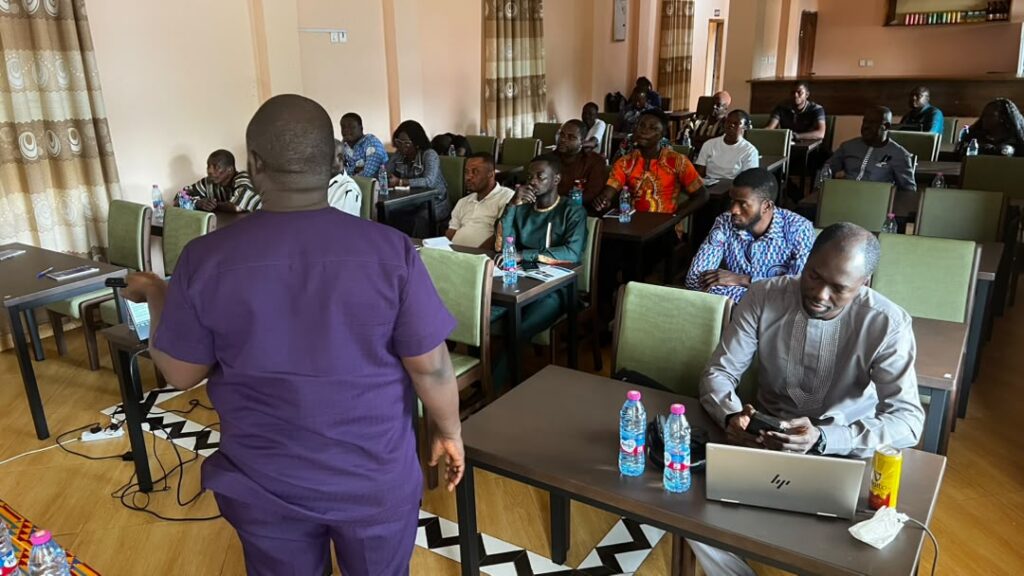
The Energy Commission has partnered with the Ghana Hotels Association to roll out a comprehensive stakeholder engagement programme targeting hotel and hospitality facility owners and managers in the Bono East region, with a training session held in Techiman.
The initiative forms part of the Commission’s 2026 hospitality-sector sensitisation programme, which seeks to strengthen compliance with new energy efficiency regulations and build the capacity of hotel operators in energy management.
The Commission, in partnership with the Ghana Hotels Association, began the stakeholder engagement programme in 2025, covering selected regional capitals including Accra, Cape Coast, Takoradi, Ho, Koforidua, Kumasi and Sunyani.
The 2026 phase is extending the programme to other regional capitals and selected cities, including Techiman, Tamale, Bolgatanga, Damongo, Wa, Sefwi Wiawso, Goaso, Hohoe, Winneba and Nkawkaw.

The hospitality sector is considered a major consumer of electricity due to its extensive use of air conditioners, refrigerators, lighting systems, laundry equipment, kitchen appliances and other energy-intensive facilities.
Hotels spend approximately 60 to 70 per cent of their operating costs on energy and resources, making energy management a critical component of their operational expenditure.
Speaking at the stakeholders’ engagement, the Senior Manager at the Energy Efficiency Unit of the Energy Commission, Ing. John Adjei, said the move is important for two key reasons.

“One is to help them conserve energy, save money and make the hotel business profitable,” he said. “Two is to help reduce energy generation which will in turn reduce emissions from fossil fuels and reduce greenhouse gases.”
He further stated that Ghana as a country will also save money from energy generation and use it for other developmental purposes.
“Lower-priced appliances may appear attractive at the point of purchase, but they often consume more electricity and result in higher utility bills over time,” he said.

Particular attention, he noted, was being given to appliances such as air conditioners, refrigerators, microwave ovens and electric kettles, which can account for significant energy consumption in hotels.
He urged hotel managers and other electricity consumers to pay close attention to energy labels when purchasing appliances.
He also stressed that purchasing an energy-efficient appliance alone does not guarantee energy savings, emphasising that user behaviour and operational practices also play a critical role.
“You can buy the most efficient appliance, but the way you use it, your behaviour will indeed determine whether the product will be efficient or not,” he explained.
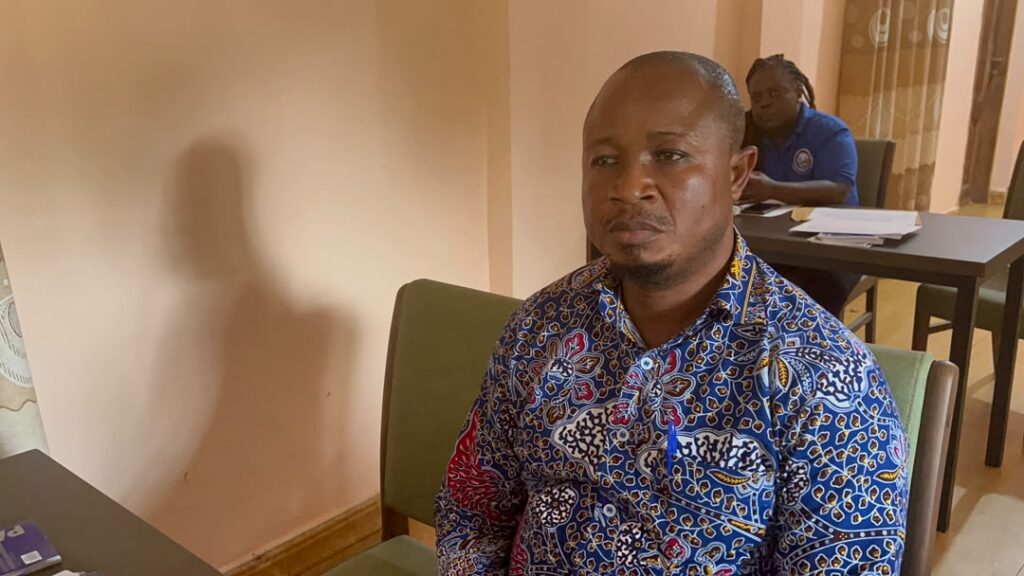
Some of the participants lauded the Commission for the training, emphasising the importance of the engagement. The training broadened participants’ understanding of energy management and highlighted the importance of investing in energy-efficient equipment.
The ripple effect of this training extends beyond individual hotels. By reducing the demand for electricity, the country reduces its reliance on expensive fossil fuel generation.
Hotels that invest in energy-efficient technologies and implement sound energy management systems stand to benefit from lower electricity bills, improved operational efficiency and enhanced customer comfort.
As Ghana pursues a more sustainable energy future, stakeholders believe that empowering businesses with the knowledge and tools to manage energy efficiently will not only improve profitability but also contribute significantly to national efforts to conserve energy resources and protect the environment.
DISCLAIMER: The Views, Comments, Opinions, Contributions and Statements made by Readers and Contributors on this platform do not necessarily represent the views or policy of Multimedia Group Limited.
Tags:
DISCLAIMER: The Views, Comments, Opinions, Contributions and Statements made by Readers and Contributors on this platform do not necessarily represent the views or policy of Multimedia Group Limited.
KioskNews shows a cleaned-up reading view extracted from the publisher’s page — the original always lives on their site, not ours.