China influencer slammed for using AI to ‘resurrect’ grandpa on hit fashion account to grieve
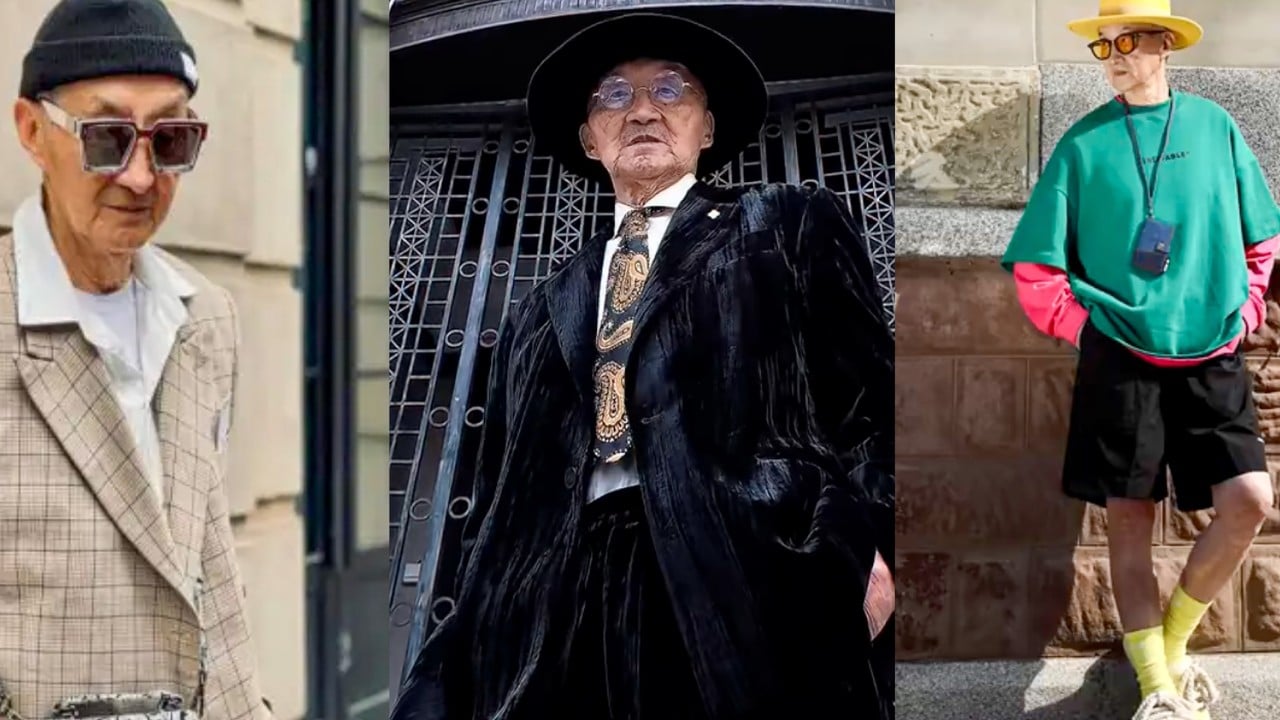
A Chinese influencer has recreated his grandfather’s videos using artificial intelligence (AI) after the 90-year-old, known for his stylish streetwear modelling, died, sparking online controversy over the ethics of AI resurrection.
In September, the account “Kang Kang and Grandpa” posted a heartbreaking message announcing that its protagonist, Grandpa Kang, had died peacefully in his sleep.
The post used Grandpa Kang’s voice to deliver a final message to his followers: “Our story together has come to an end, but your own stories must carry on.”
The account, run by Grandpa Kang’s grandson, Kang Kang, had featured the old man dressed in a variety of stylish streetwear and amassed nearly six million followers over several years.
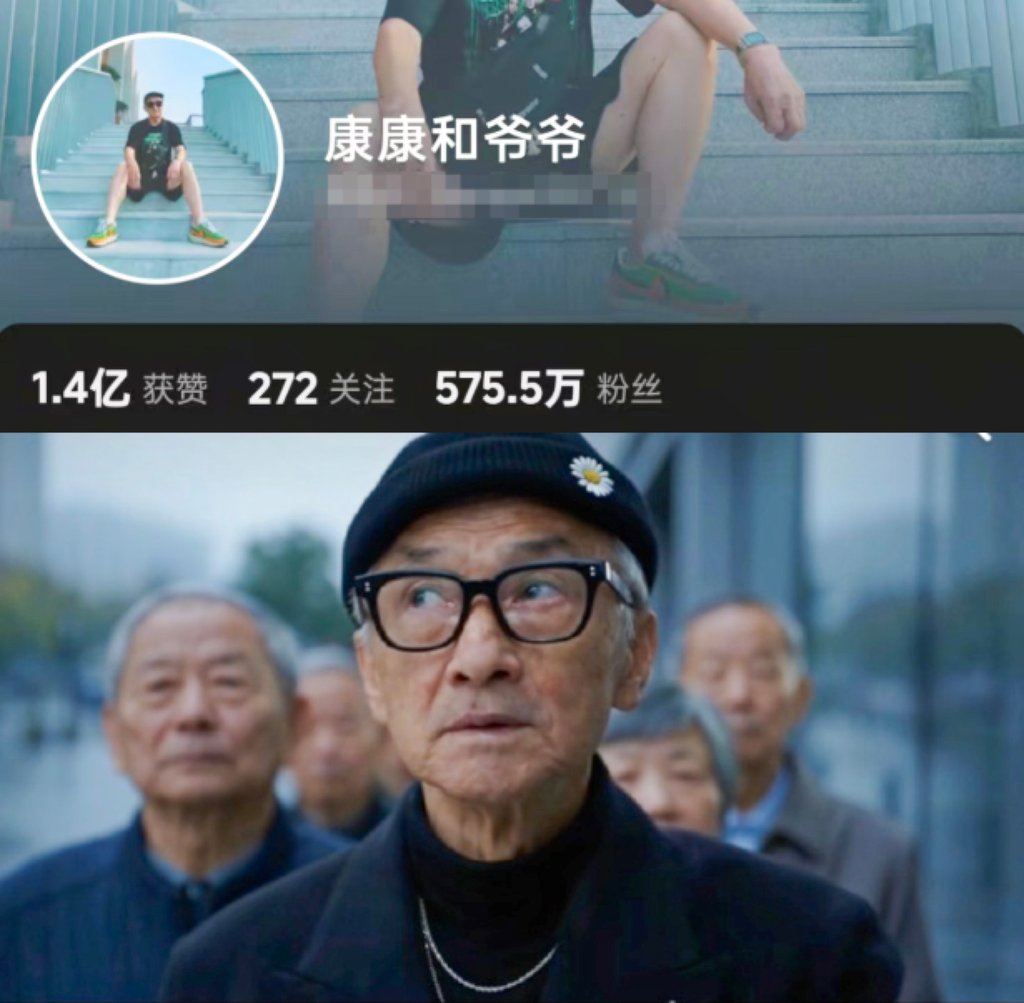
Many affectionately nicknamed Grandpa Kang “Dopamine Grandpa” and said they were inspired by his youthful spirit, regardless of age.
While many mourned the old man, believing this was the end of the account, it was updated again in October, after more than a month of silence, with videos of Grandpa Kang “resurrected” by AI.
The account posted several such videos in a row. One shows heartwarming interactions between the grandfather and grandson, who appears as a baby. Another shows the old man queuing for branded trainers and asking other elderly people whether they are also fans of G-Dragon.
In a third video, Kang Kang asks Grandpa Kang whether he was his grandson in a previous life. The old man answers: “Previous lives do not exist.”
The video then flashes back to several historical periods, with Grandpa Kang repeating the same words to Kang Kang 400 years ago, 3,000 years ago, 10,000 years ago as a caveman, and 50 million years ago as a prehistoric fish.

The video is a viral AI-generated meme highlighting the bond between two people. But in Grandpa Kang’s case, it sparked debate over whether it is ethical to feature a deceased person in AI-generated memes when it is impossible to obtain their consent, even if the person is a family member.
“If Grandpa sees himself becoming a caveman and a fish, he might give you a good beating,” one online observer jokingly commented.
“AI-generated videos of the dead never reflect the protagonists’ own wishes. Strictly speaking, the people who appear in those videos are not really them,” another commented.
“It’s fine as long as he doesn’t profit from the videos,” a third person said.
Another person supported Kang Kang: “I don’t think he was exploiting his grandpa. It seems more like he wants him to continue living in this world in another form.”

In November, Kang Kang responded to the controversy, explaining that he wanted to share interesting “behind-the-scenes” stories between him and his grandfather that had “regretfully not been made into videos” while he was alive.
He added that he would seriously consider whether to continue using AI if the content bothered viewers.
The AI-generated videos were later removed from the account.
The practice of “resurrecting” deceased relatives with AI has sparked controversy in other cases, too. In April, a young man in central China’s Hunan province shot to fame for using AI to recreate deceased relatives for more than 100 grieving families.
The man, named Li Shaodong, created a video of under 20 seconds for each deceased person, showing them blinking, smiling, making affectionate gestures and peace signs, and sometimes even speaking.

Li created the videos at the request of family members. It took him anywhere from less than an hour to a day to make each one. He would first record himself making the facial expressions and gestures, then use AI to swap in the deceased person’s face.
He said he always obtained consent from the deceased people’s close relatives and received grateful feedback from them.
Shi Jiayou, a law professor at Renmin University of China, pointed out that the deceased’s personal rights are protected by law. Creating and sharing AI-resurrected videos of them without the consent of close relatives may infringe those rights, even when the videos are not made for commercial purposes.
KioskNews shows a cleaned-up reading view extracted from the publisher’s page — the original always lives on their site, not ours.