Malaysian plan to let refugees work spurs advocates’ call for safeguards
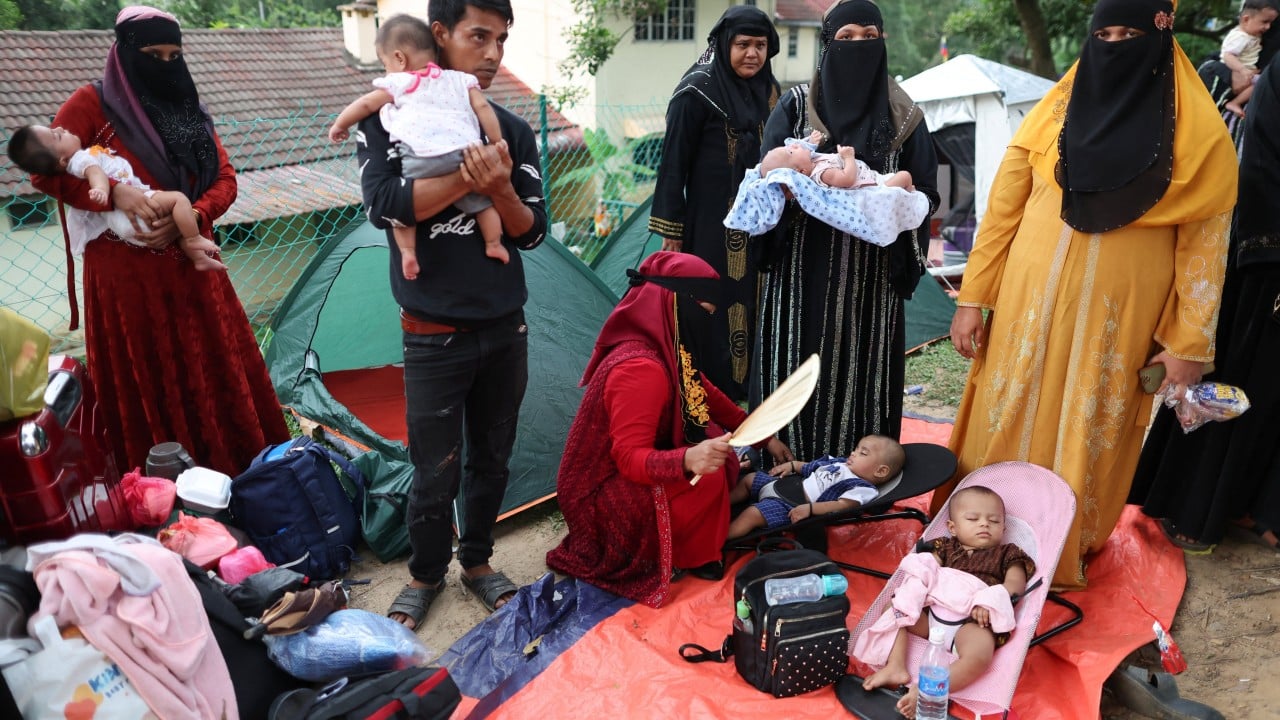
Malaysia’s plans to allow registered refugees to work legally have raised hopes among their communities that have long relied on precarious informal employment to survive, even as Thailand’s experience suggests that such a move is only part of the solution.
Thailand has reportedly thousands of refugees taking up formal jobs under a scheme introduced last year. As for Malaysia’s initiative, refugee advocates say it will need clear registration procedures and workplace safeguards to make it work.
On October 30, Malaysia’s home ministry said refugees could be granted conditional access to formal employment under its refugee registration document programme, known as DPP, a system introduced in January to register refugees, verify their identities and determine their status.
Employment would be temporary, restricted and subject to federal approval, the ministry said, adding that the arrangement was intended to address labour shortages while prioritising Malaysian workers. It stressed that DPP registration did not automatically confer the right to work or offer a pathway to permanent residency or citizenship.
Under its programme, Thailand allows registered refugees living in camps along its border with Myanmar to take up legal employment outside the camps, an approach that has drawn attention as a possible model for the region.
In June, Raouf Mazou, assistant high commissioner for operations at UNHCR, was quoted in a Reuters report saying that “if it [Thailand’s model] works here, it will have an impact on the region”. The report identified Malaysia and Bangladesh as countries that could draw lessons from the initiative.
Nur Sadek, a Rohingya refugee who has experience in humanitarian work, communications and community advocacy, said Malaysia’s plan offered the prospect of more secure employment for refugees who currently had no means of working legally.
Uncertainty over documentation continued to limit opportunities and weaken refugees’ ability to negotiate with employers, he said.
“Even when you are qualified for a position, employers may be reluctant to hire you because of your documentation. This means that people sometimes have to accept jobs below their qualifications or work in sectors where they have very limited protection,” Nur Sadek said.
Chuah Hui Yin, a Malaysian refugee researcher, said Thailand’s experience offered lessons in practical arrangements needed for refugees to work, including coordination between government agencies, employers, humanitarian organisations and refugee-led groups.
Registration and eligibility
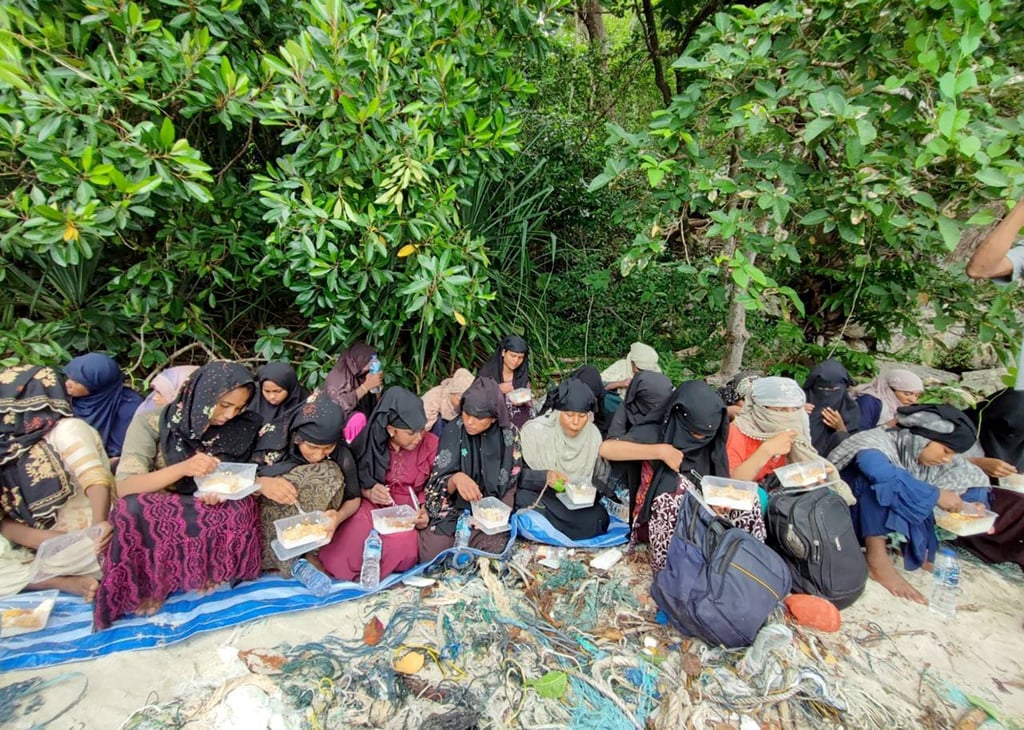
According to Malaysia’s home ministry, eligibility would be limited to refugees who were in the country before January 1, 2023, and documentation from the UN refugee agency would not automatically qualify someone.
The ministry classifies the DPP card as a temporary special pass under immigration laws, subject to conditions and possible withdrawal.
Cardholders’ movements are limited to designated zones, with travel between states requiring the immigration department’s permission, according to a written parliamentary reply on October 27 by Home Minister Saifuddin Nasution Ismail. Their cards must be renewed annually.
For refugees trying to understand how the programme would work, basic information remains scarce, Nur Sadek said.
“As far as I know, I have not encountered anyone from the Rohingya community who has received DPP documentation,” he said.
People were unsure how to apply, who would qualify and when registration would be available outside detention centres, he added, calling for transparent application procedures and information in languages to help refugees understand.
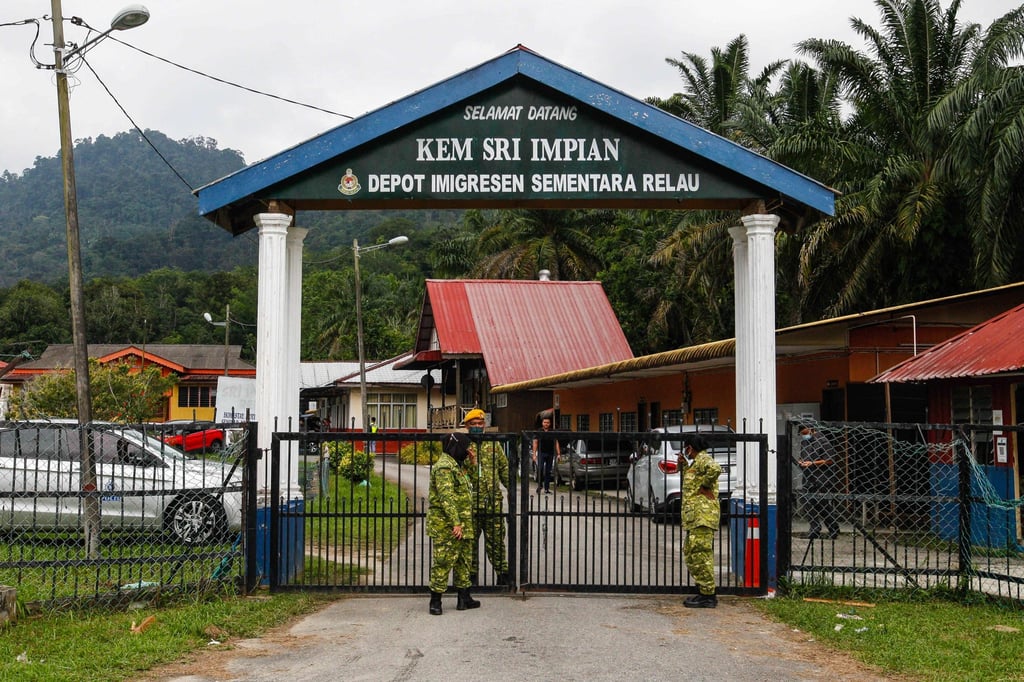
Deputy Prime Minister Ahmad Zahid Hamidi said on October 26 that the programme remained in its first phase, covering people held in immigration depots, and could extend to UNHCR cardholders living outside the depots “in the near future”.
On November 3, Deputy Foreign Minister Lukanisman Awang Sauni said in parliament that “about 147 refugees had been registered since January”, citing a shortage of government staff.
A study by a civil society coalition, the End Detention Network (EDN), has described DPP as the most significant shift in Malaysian refugee governance in decades. It recommended publishing DPP procedures and opening registration to asylum seekers living in the community.
Chuah said her understanding was that DPP functioned primarily as a registration exercise, while the associated rights were still unclear. Without firm legal grounding, arrangements could be changed or withdrawn, she added.
Workplace protection
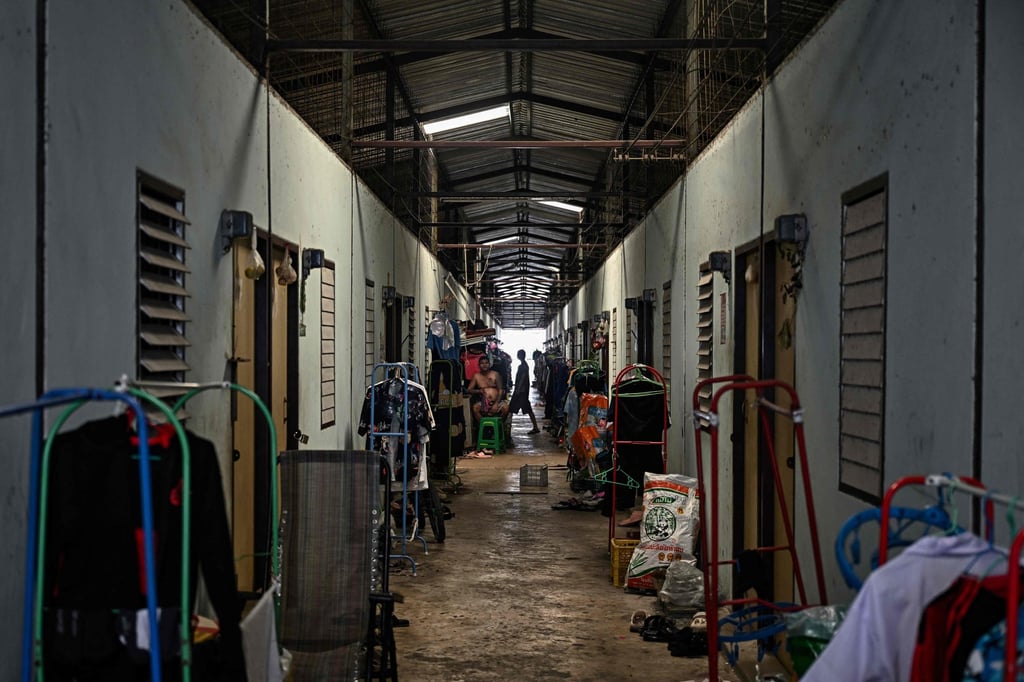
Formalising work, Chuah said, could reduce exploitation among refugees who turned to informal work to survive, but she questioned whether they would easily trust a process administered by immigration authorities they associated with arrest and detention.
Moreover, legal employment was only one aspect of protection, and income by itself would not resolve other barriers like schooling, medical bills or their legal status.
“I think livelihood is only really, like one part of overall protection,” she said.
Nur Sadek said: “For many refugees, reporting an employer for exploitation or unpaid wages is not simply an employment decision. It can also raise concerns about their immigration status and personal safety.”
He called for written contracts, fair wages and a way to report abuse without risking detention, and for workers to be able to change employers. The EDN study similarly recommends mobility between employers, enforceable labour protections and access to remedies.
08:38
The online hate campaigns targeting Malaysia’s Rohingya refugee community
Thailand’s experience
In a UNHCR statement, over 6,000 refugees from Myanmar had “entered the workforce” in Thailand by September 10, a year after Bangkok allowed long-staying refugees to work. Identity cards issued this year also opened access to banking and telecommunications.
“The right to work is the foundation, not the finish line,” said Hai Kyung Jun, UNHCR’s regional director for Asia and the Pacific.
Leon de Riedmatten, executive director of the non-profit The Border Consortium (TBC), cited figures from Thailand’s department of employment showing that there were over 7,000 refugees currently working outside the camps and supporting their families. De Riedmatten described the past year as a “historic and overwhelmingly positive step forward” after decades without a legal right to work.
Some refugees had left their jobs and returned to camp because they were unhappy with the work or accommodation, or over other employment-related disputes, he said. Many had since found new employers and resumed working.
Access remained uneven, he said, as refugees without the Thai interior ministry’s registration could not participate, and female refugees had fewer opportunities because many jobs were in construction and agriculture.
“Yet many employers are still unaware that they can legally hire refugees at all,” he said, noting that camp residents included teachers, health workers and administrators.
De Riedmatten welcomed changes proposed by ministries on November 6 to allow work within the districts holding the refugee camps and extend permission for the employment period from one year to two. Working closer to home would particularly help women and people with care responsibilities, he said.
Currently, TBC still provides monthly food help to more than 15,000 refugees, including older people and those unable to work because of disabilities or chronic illness.
Different starting points
De Riedmatten cautioned against drawing direct comparisons between Thailand and Malaysia, whose refugee populations lived under different circumstances.
Chuah noted that refugees in Malaysia were already working informally, without the camp-based aid system available to those in Thailand.
The two countries also appeared to have different priorities in opening employment to refugees, she said.
Chuah viewed Thailand’s policy as driven partly by labour demand, including the departure of Cambodian migrant workers during the 2025 border conflict. Shrinking humanitarian funding and recognition that refugees would remain in the country long-term were also factors, she said.
“For Malaysia, it’s about security,” Chuah said, pointing to official messaging on control, repatriation and resettlement. “[In Thailand,] the solution is not to send them back. But for Malaysia, we still think like, OK, the solution is they will go back one day.”
Whatever the motive, she said, policies needed to factor in the family and community ties of refugees. If formal employment offered little additional security, refugees could see little reason to leave the informal economy.
“The easiest way is really just to look at how many people sign up for it and how many people stay,” she said.
Nur Sadek said he would judge the programme by job stability, wages, contracts and access to remedies rather than the number of registrations.
“If a refugee is tied to one employer and cannot leave an abusive workplace, then formal employment could unintentionally create another form of vulnerability,” he said.
KioskNews shows a cleaned-up reading view extracted from the publisher’s page — the original always lives on their site, not ours.