Singapore hosts 8 of the top 10 drug makers – now it needs commercial wins
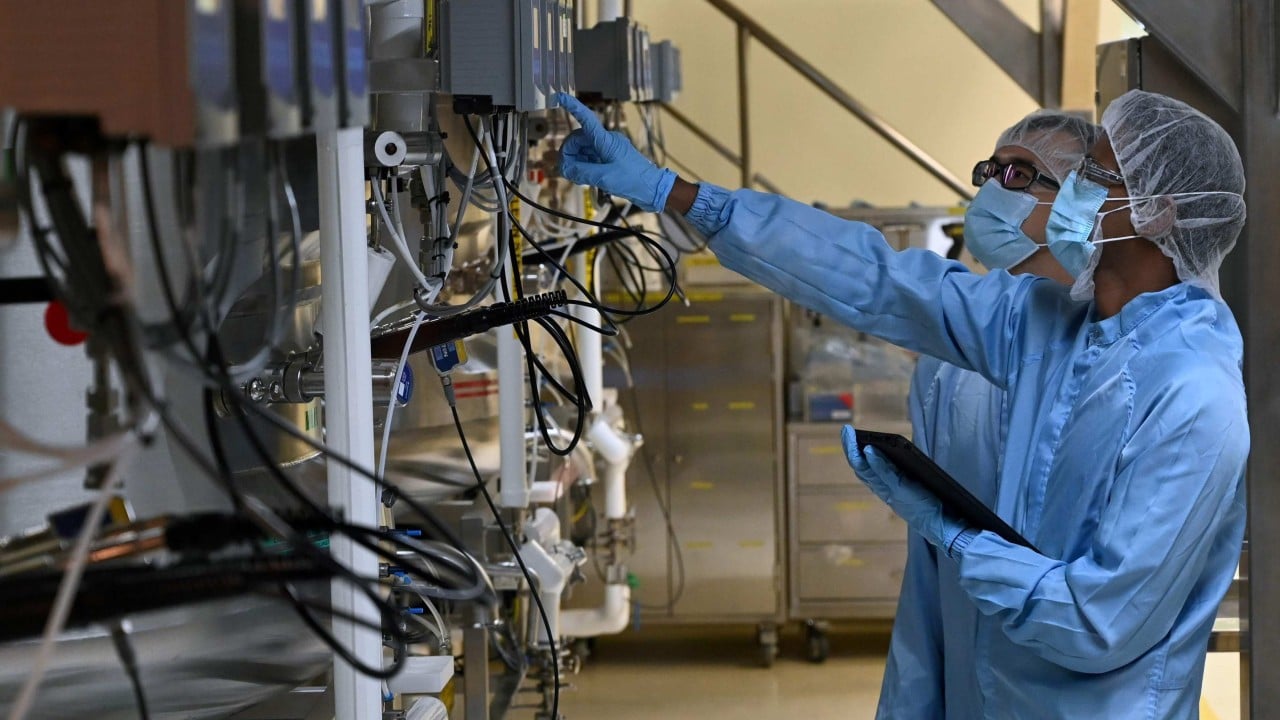
Singapore has long sought to become Southeast Asia’s premier biomedicine hub – with its investments and initiatives having already attracted some of the world’s biggest pharmaceutical manufacturers.
But as competition for investment in the sector intensifies, industry experts say the city state needs to use its scientific strengths to produce commercially successful medicines, while overcoming the limitations of its small domestic market.
Bayer, the German pharmaceutical giant, hopes Singapore will become one of the first places to approve asundexian, its new blood thinner for preventing recurrent strokes. China approved the medicine last month. Bayer said on November 9 that the United States had done so too.
Sebastian Guth, chief operating officer of Bayer’s pharmaceuticals division, expects Singapore’s approval to follow soon.

“Singapore has a dependable and predictable regulatory environment with an emphasis on speed,” he told This Week in Asia earlier this month. “Stroke today is a leading cause of death and a leading cause of disability in every country around the world, including Singapore.”
China has the largest overall stroke burden globally, according to the World Stroke Organisation. A study in The Lancet Neurology estimated that the country had more than 26 million people living with stroke in 2021.
Size still matters
Singapore attracted S$4.4 billion (US$3.5 billion) of investment in its biomedical sciences sector last year, Deputy Prime Minister Gan Kim Yong said in May.
Eight of the world’s 10 largest biopharmaceutical companies – including Pfizer, GSK and Roche – operate manufacturing facilities in the city state, according to its Economic Development Board, the government agency responsible for attracting foreign investment.
The latest to set up shop is British drug maker AstraZeneca, which plans to open a US$1.5 billion plant to manufacture targeted cancer treatments by 2029. The Economic Development Board called this a “strong show of confidence” in the city state’s manufacturing capabilities and talent.
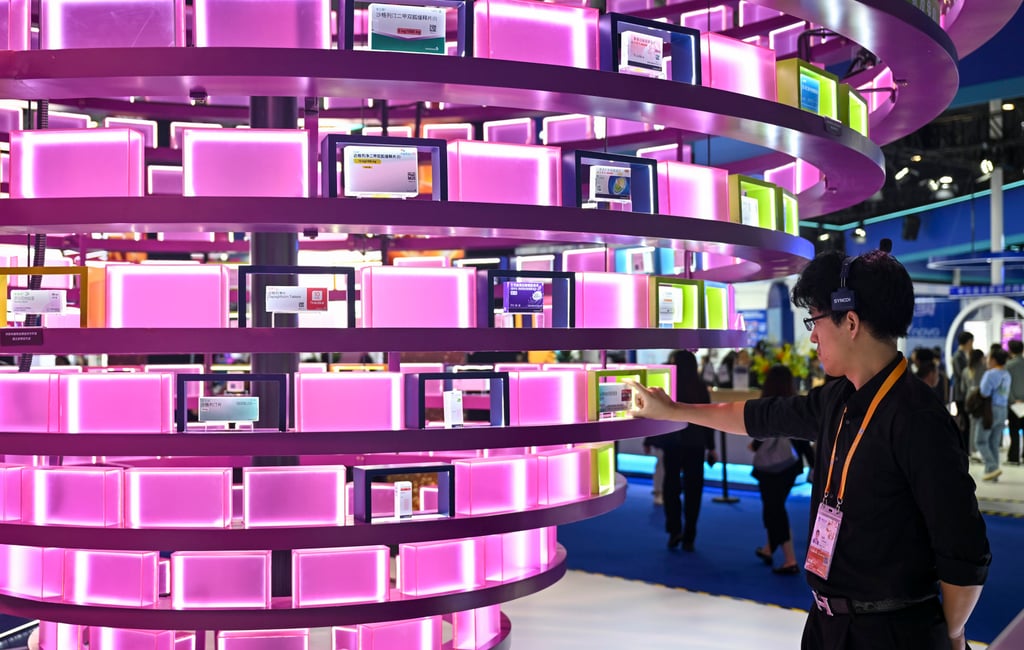
Analysts say Singapore’s weaknesses are its small domestic market, which provides companies with fewer customers over which to spread costs, and limited track record of commercial success in the sector, potentially pushing firms to look elsewhere for greater economies of scale.
Yoshihiro Suwa, a Singapore-based senior partner who leads pharma and healthcare work at consultancy Roland Berger, called the country’s limited experience turning biotech research into profitable medicines its biggest challenge, adding that China, Japan and South Korea were ahead of it in this regard.
Suwa said Singapore was not necessarily seen as a commercial gateway to Southeast Asia for pharmaceuticals, because of its small size. He cited Thailand as an example of a more popular regional market in which to launch new medicines.
Hong Kong may soon become another competitor, as it seeks to advance its biomedical hub ambitions. City authorities announced a new drug regulator in June last year, to be established by the end of 2026, whose long term-goal is independently assessing and approving drugs and medical devices, without relying on approvals from overseas.
Why Singapore appeals
Competition in the sector is growing because pharmaceutical companies are increasingly looking to the Asia-Pacific as a source of innovation, licensing deals and partnerships.
The United States, which helped pioneer modern biomedical research, long dominated the field and Guth said “that continues to be the case, but today it is complemented with Asia”.
He said Singapore had five things a global biomedicine hub needed: world-class scientists and institutions, access to capital, reliable regulation, strong protection of intellectual property and a willingness to pay for innovation. “I think Singapore realised early that the biomedical industry is a crown jewel,” Guth said.
The city state’s government made biomedicine the fourth pillar of the economy in 2000 and has since spent billions of dollars on research and innovation. Last month, it also announced its largest bioeconomy funding initiative to date: S$118 million (US$92 million) to help local start-ups and translate research into commercial applications.
Singapore realised early that the biomedical industry is a crown jewel
Suwa called Singapore’s advanced biomedical sciences infrastructure “particularly impressive”, citing research clusters such as the Tuas Biomedical Park manufacturing hub and Biopolis – a purpose-built R&D campus – for facilitating “close collaboration” among academia, pharmaceutical companies and healthcare institutions.
Not only that, but Shriharsha Sarkar, a partner at L.E.K. Consulting who advises biopharma, medtech, diagnostics and healthcare service clients across the Asia-Pacific, said Singapore’s regulators were so respected that their approval could help medicines win approval elsewhere.
Many Southeast Asian regulators used “reliance-based pathways” for medicines, he said, which allowed them to lean on another authority’s reviews and often required less local data.
“Southeast Asia is made up of a dozen different systems, so launching in Singapore first lets companies prove the product, then roll it out market by market,” he said.
The region is entering “a golden age of regulatory sharing” amid increasingly pressing issues such as ageing populations and carer burnout, according to Simon Rosof, head of Asia-Pacific for Bayer’s pharmaceuticals division.
“There’s a lot more sharing of review processes and information ... regulatory authorities leveraging each other’s approvals to get therapies to patients more quickly,” he said.
04:35
Global talent find multi-faceted growth in Hong Kong
Bayer has its regional headquarters in Singapore’s central business district and works with local research institutions. In 2023, its investment arm joined other backers in launching 65Lab, a Singapore-based incubator that helps turn research from institutions such as National University of Singapore and the government’s Agency for Science, Technology and Research (A*Star) into commercial companies.
Guth said the city state supported each stage of drug development, from research to clinical trials and regulatory review.
“When I think about leading ecosystems in the biotech industry, Singapore clearly comes to mind,” he added.
A Chinese launchpad?
Industry experts advocate a two-pronged strategy for Singapore to fend off growing competition and overcome its market size constraints: working with China and specialising.
China’s drug approvals are rising fast, mainly driven by domestically developed medicines. In September, it set five-year targets that included having at least five products with annual global sales surpassing US$1 billion by 2030.
Sarkar said Singapore could become the hub through which Chinese medicines reach Southeast Asia and beyond. Only a fraction of innovative medicines approved worldwide reached the region because of fragmented regulation and limited budgets, he said.
“This gap is an opportunity and Chinese-originated innovation is well placed to fill it … the question is not if, but when,” he said, adding that China was increasingly developing drugs at competitive prices. “Singapore can anchor this: it can host regional commercialisation and regulatory strategy.”
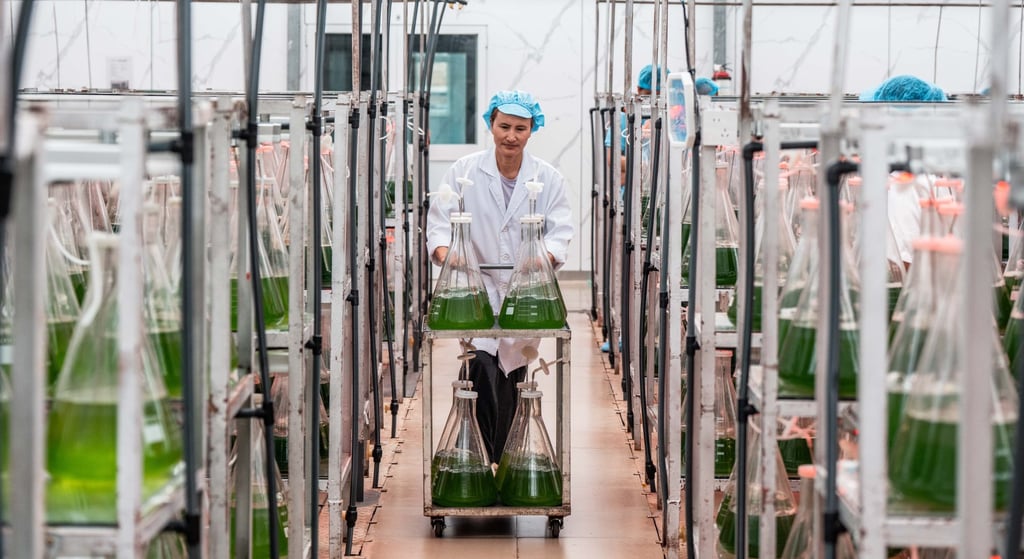
Suwa said Singapore could also become a regional hub for treating rare diseases and for personalised medicine, meaning treatments tailored to an individual patient’s genetics or condition. Neighbouring countries might struggle to offer such therapies, he said, because they typically needed advanced infrastructure and highly specialised doctors. Investments in this area would give Singapore a “much broader role” in the region, Suwa added.
When asked how Bayer compared Singapore with other Asia-Pacific markets, Guth said the company did not view it in isolation.
“Innovation happens in conjunction and across ecosystems,” he said. “I think about Singapore also in the context of the Asia-Pacific, and the first and best-in-class medicines [that] are being advanced here.”
KioskNews shows a cleaned-up reading view extracted from the publisher’s page — the original always lives on their site, not ours.