Nargis Fakhri details her wellness routine as a ‘woman in 2026’

Actor Nargis Fakhri, 46, made one of the most amusing yet honest admissions about women’s health and fitness in 2026. “You are a woman in 2026,” she shared, along with a few glimpses of her wellness routine.
*I need more protein
*I need to lower my cortisol with meditation
*I need more morning sunlight
*I need to hit 10K steps
*I need more water
*I need more sleep
*I need to fix my gut
*I need more fibre
DISCLAIMER: This article is based on information from the public domain and/or the experts we spoke to. Always consult your health practitioner before starting any routine.
While the list may sound simple, it reflects several important pillars of preventive health. “The challenge for many women is not a lack of awareness about healthy habits, but finding a way to incorporate them consistently into busy lives,” consultant dietitian Garima Goyal reflected.
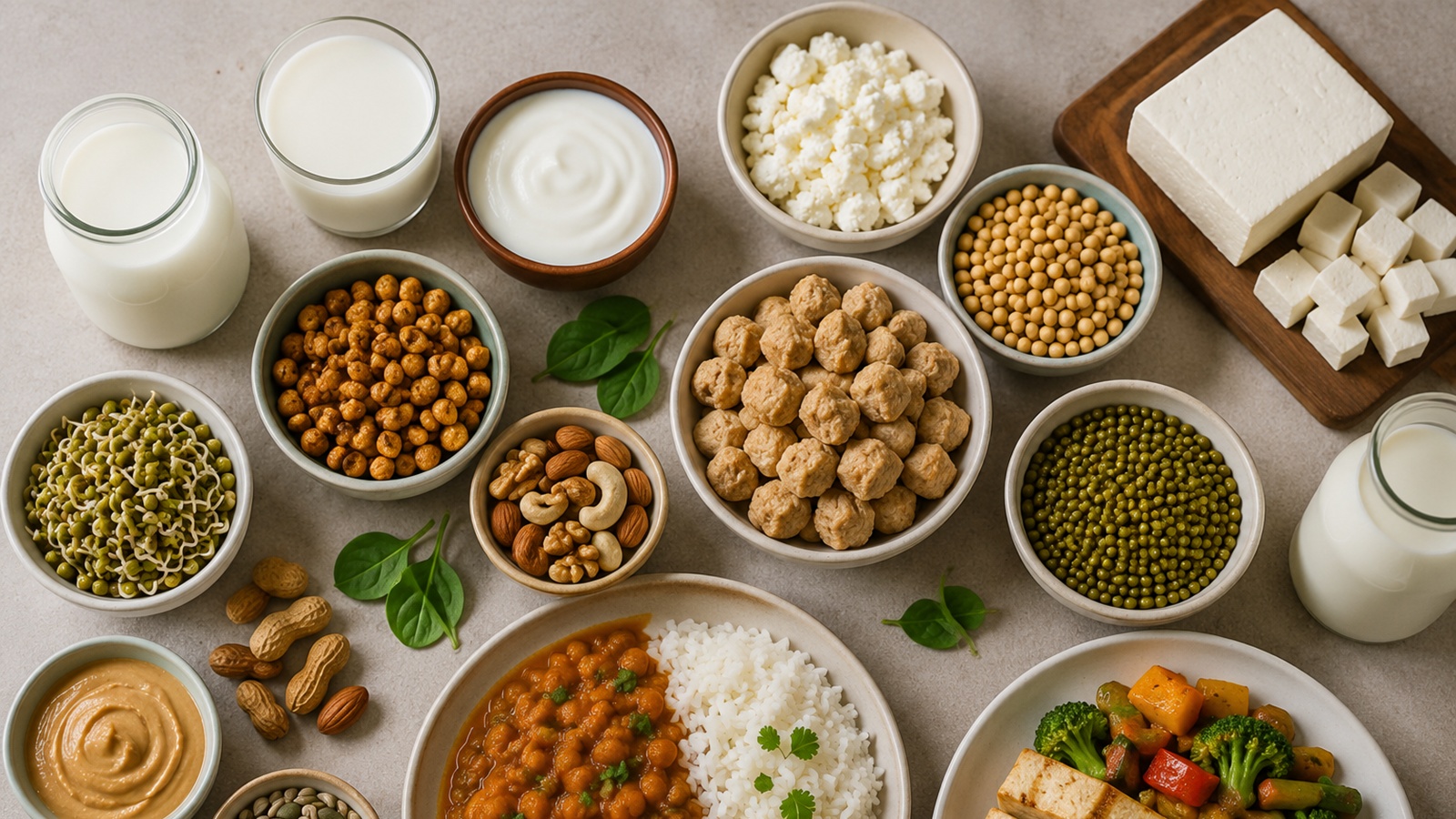 Protein needs increase (Photo: AI Generated)
Protein is important for more than muscle building. “It supports tissue repair, immune function and the maintenance of lean body mass. Women should aim to include protein sources such as pulses, beans, dairy products, soy, eggs, fish or poultry, depending on their dietary preferences. Requirements vary with age, activity levels and health status, so there is no single protein target that suits everyone,” said Goyal.
Her focus on fibre and gut health is equally relevant. “Fibre supports bowel regularity, helps maintain healthy cholesterol and blood glucose levels, and nourishes beneficial gut bacteria. Fruits, vegetables, whole grains, legumes, nuts and seeds are useful sources. Increasing fibre gradually and drinking adequate fluids can help minimise bloating and discomfort. Persistent digestive symptoms, however, deserve medical evaluation rather than relying solely on supplements or restrictive diets,” Goyal told indianexpress.com.
Sleep and stress management are often overlooked when discussing women’s health. “Most adults need seven to nine hours of sleep each night. Meditation, breathing exercises and other relaxation practices may help manage perceived stress, but the idea of simply “lowering cortisol” should not be treated as a universal health goal. Cortisol is an essential hormone involved in the body’s normal response to stress; clinically significant abnormalities require medical assessment,” mentioned Goyal.
Story continues below this ad
Morning sunlight can help regulate the body’s circadian rhythm, particularly when combined with a consistent sleep-wake schedule. “However, sunlight exposure should be sensible, with appropriate skin protection. Vitamin D needs cannot reliably be met through a fixed amount of sunlight for everyone,” said Goyal.
Similarly, 10,000 steps can be a useful activity goal, but it is not a magical threshold for health. “People can benefit from increasing movement gradually according to their current fitness, mobility and medical needs. Brisk walking, resistance training and regular breaks from prolonged sitting can all contribute to better health,” said Goyal.
Hydration matters too, although fluid requirements vary with climate, physical activity, diet and health conditions. “Rather than forcing excessive amounts of water, most healthy adults can use thirst, urine colour and their daily circumstances as practical guides, while following medical advice if they have fluid restrictions,” said Goyal.
Ultimately, wellness does not require perfection or a long list of expensive interventions. “Building balanced meals, moving regularly, sleeping adequately and making time for recovery can create a stronger foundation than constantly chasing the next health trend.”
Story continues below this ad
DISCLAIMER: This article is based on information from the public domain and/or the experts we spoke to. Always consult your health practitioner before starting any routine.
KioskNews shows a cleaned-up reading view extracted from the publisher’s page — the original always lives on their site, not ours.