Quebec votes in provincial election as separatist surge poses test for Canada’s PM Carney
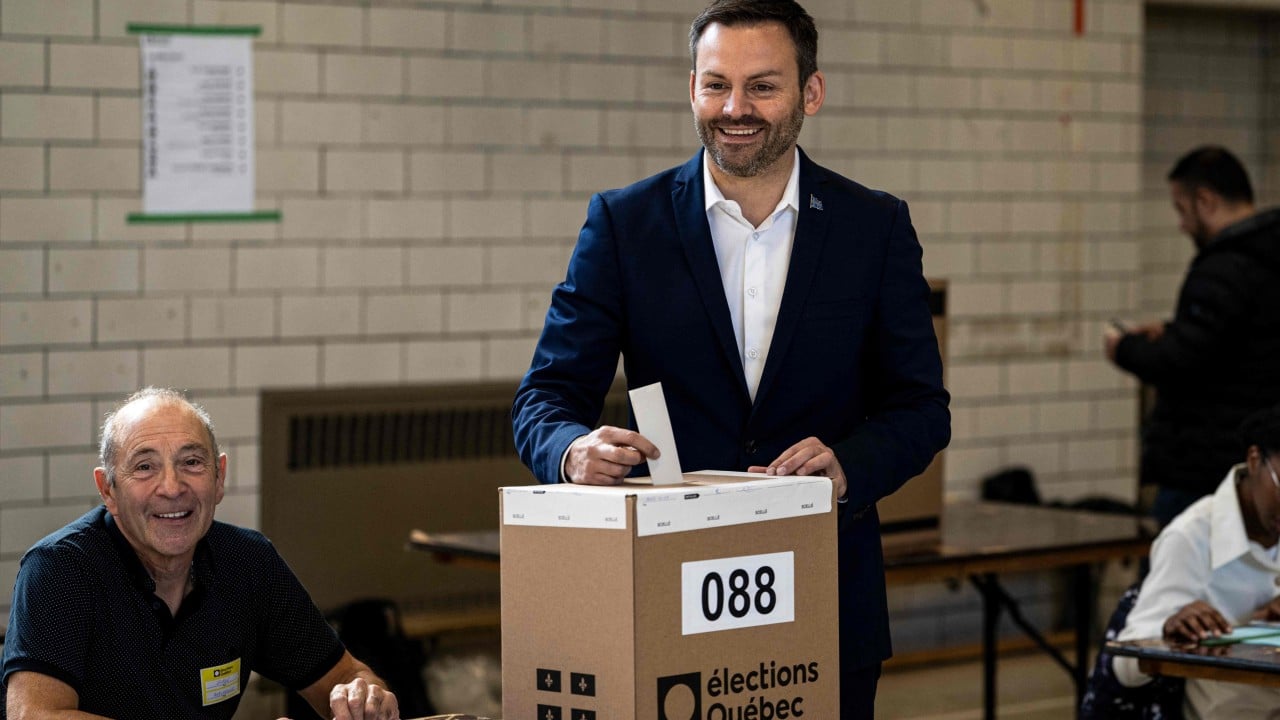
Quebec separatists eyed a return to power in Canada’s majority French-speaking province on Monday in an election that could test Prime Minister Mark Carney’s message of national unity to confront the United States.
Carney is popular in Quebec and the possible success of the separatist Parti Quebecois (PQ) is not seen as a repudiation of his stance towards US President Donald Trump, whose trade war and annexation threats have infuriated Canadians.
Instead, the PQ’s rise after 12 years in opposition has been tied to frustration over affordability and an enduring desire to protect the French language in an increasingly anglophone country.
“I want Quebec to still be speaking French in 100 years,” PQ voter Francis Chalifour, a 49-year-old teacher, told Agence France-Presse after voting in Montreal.
A PQ victory would make its leader Paul Saint-Pierre Plamondon, a 49-year-old lawyer known by his initials, PSPP, the province’s next premier.
He said he was feeling both “on edge and serene” after voting in Montreal.
Pre-election polls had given PQ about 30 per cent support but in the province’s first-past-the-post electoral system that could be enough to secure a majority in the 127-member assembly, with vote-splitting expected among several federalist parties.
PSPP has maintained he will call a referendum on leaving Canada if elected, just not while Trump is in office.
He has said a decision on Quebec’s independence “requires conditions that allow for an informed and calm debate”.
Trump, Ontario premier trade insults amid tariff war
That should not be “hijacked by the theatrics of an unpredictable president”, he said, ruling out a referendum until at least 2029.
Quebec has held two previous votes on leaving Canada. Federalists won comfortably in 1980, but the 1995 result was excruciatingly close, with just 50.58 per cent voting to stay in Canada.
Results in the province of roughly 9 million people should be known a few hours after polls close at 8pm local time.
For Carney, the Quebec vote comes amid a fraught political season.
His Liberal government enjoys broad support, and many Canadians credit him with leading national, and at times international, opposition to Trump.
But in addition to the possible return of separatist governance in Quebec, voters in the oil-rich province of Alberta will hold a non-binding vote this month on whether they want independence.
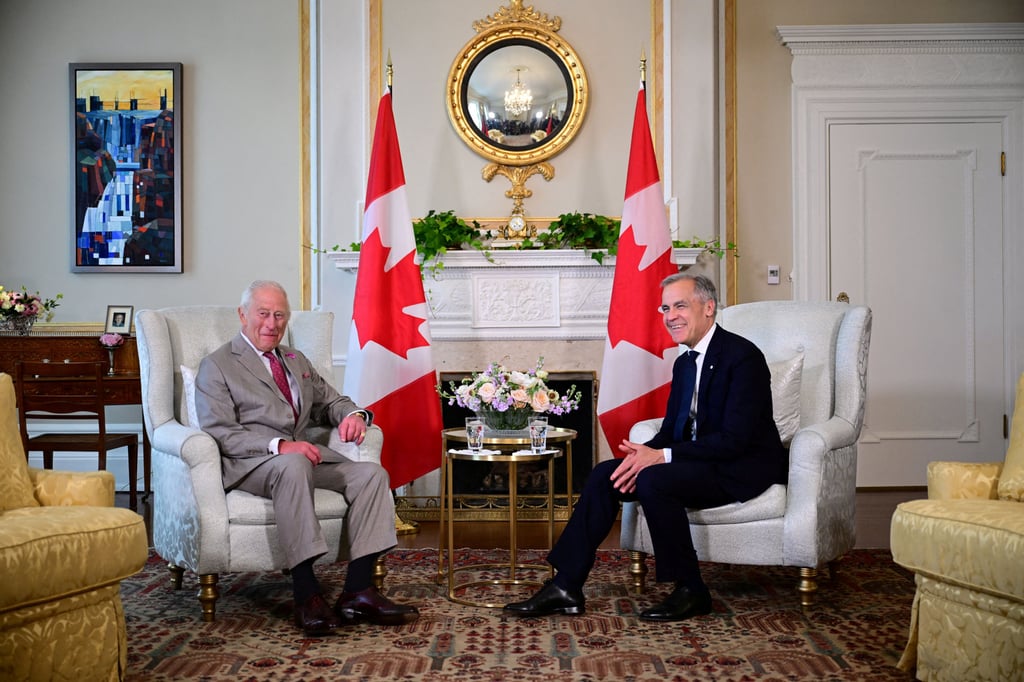
PSPP may not have majority backing for an independent Quebec but his plans to target the British monarchy appear far more popular.
Canada is part of the British Commonwealth. King Charles, Canada’s head of state, is represented in Ottawa by the governor general. Lieutenant governors represent the monarchy in the provinces, including Quebec.
In a 2025 Leger poll, 87 per cent of Quebecers said they felt no attachment to the British monarchy and only 31 per cent expressed a favourable view of King Charles.
“There is nothing preventing [Quebec’s] National Assembly from acting as a sovereign parliament and passing a law that abolishes the activities of the lieutenant governor and no longer allocates a budget to this masquerade that wastes money,” said PSPP.
He has proposed reallocating the lieutenant governor’s budget to combat homelessness.
Pasquale Zgambatte, an 80-year-old Montreal voter, told Agence France-Presse he does not support another independence referendum but wanted British royals out of Canadian life.
“If we’re a country, Canada, then we have nothing to do with England,” he said.
KioskNews shows a cleaned-up reading view extracted from the publisher’s page — the original always lives on their site, not ours.