Supreme Court seeks DNA profiling, welfare of captive elephants
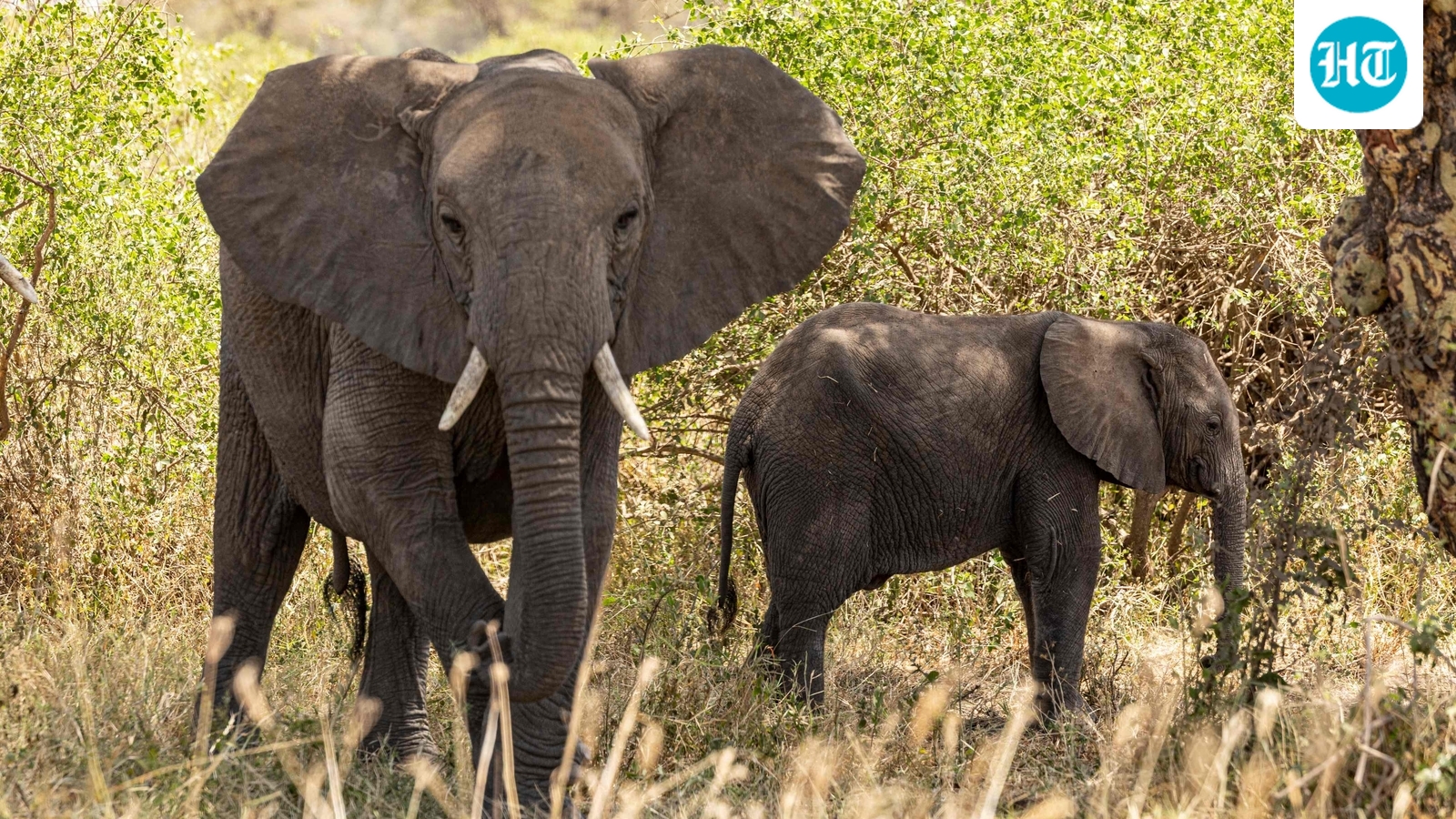
The Supreme Court’s concern over the upkeep and healthcare of captive elephants is well founded. Data presented by the Centre to the court last week show that the country’s captive elephant population has risen by 50 since the last census in 2019, while figures for privately owned elephants, circuses and temples remain unchanged.
The static numbers have raised concerns of underreporting. Environmental activists say it is difficult to believe that, over seven years, no elephant died in captivity and none was added to these categories.
Also Read I Greepiece: Dog-wildlife conflicts need urgent attention
CJI calls for DNA profiling report
A bench headed by Chief Justice of India (CJI) Surya Kant on August 18 directed the ministry of environment, forest and climate change (MoEFCC) and the Captive Elephant Healthcare and Welfare Committee (CEHWC), constituted under Project Elephant, to submit a comprehensive status report on DNA profiling of all captive elephants and the uploading of data on the Gajah Suchana app.
The order also requires a mechanism for the periodic renewal of ownership certificates for captive elephants.
Also Read I Anant Ambani's Vantara and Indonesia announce major wildlife conservation partnership
There were 2,675 captive elephants in 2019, a figure that has now risen to 2,725, according to a note submitted by the MoEFCC to the court. The note records the proceedings of the sixth meeting of the CEHWC, held in February this year. However, a closer scrutiny of the data in the note does not support this total.
The category-wise figures add up to 2,984: private ownership (1,678), circuses (47), temples (96), forest department (768), zoos (63) and rehabilitation centres (332). A comparison with the 2019 figures indicates that the tally for private individuals, circuses and temples has remained unchanged.
Also Read I Extreme drought is changing Britain’s wildlife – some effects won’t be seen until next year
The top court directed the Centre to issue mandatory guidelines for establishing elephant clinics offering specialised services for the welfare of captive elephants. The CEHWC has also been directed to prescribe minimum standards for the housing, healthcare and upkeep of elephants in captivity.
The matter will next be heard on October 29. The court has clarified that its present concern is not ownership of captive elephants, but their upkeep, well-being and healthcare — issues central to the petition before it.
KioskNews shows a cleaned-up reading view extracted from the publisher’s page — the original always lives on their site, not ours.