We want quality in everything, but are we teaching it to our children? — Nurulwahida Azid @ Aziz and Muhammad Noor Abdul Aziz
NOVEMBER 12 — We complain when the food we order is poorly prepared, when services are slow, or when the products we buy do not last. We demand quality from businesses, hospitals, schools and public services. But here is a question worth asking: Are we teaching our children to value quality in their own lives? As the world marks World Quality Day on November 12, 2026, perhaps it is time to look beyond factories, certificates and inspection reports. Quality should not be something we expect only from organisations. It should begin with the way we think, behave and treat the world around us.
This year’s World Quality Week, observed from November 9 to 13, carries the theme “Quality: Powering Performance”. It reminds us that quality helps organisations perform better. Yet, there is another side to quality that deserves our attention: building responsible human beings who care about their surroundings. Where better to begin than in our classrooms? Think about a child who finishes a school project but leaves the classroom covered in rubbish. Or a student who scores excellent marks in Science but sees nothing wrong with throwing plastic waste into a drain. Can we truly call this quality education? Good grades may reflect academic achievement, but they do not automatically produce responsible citizens.
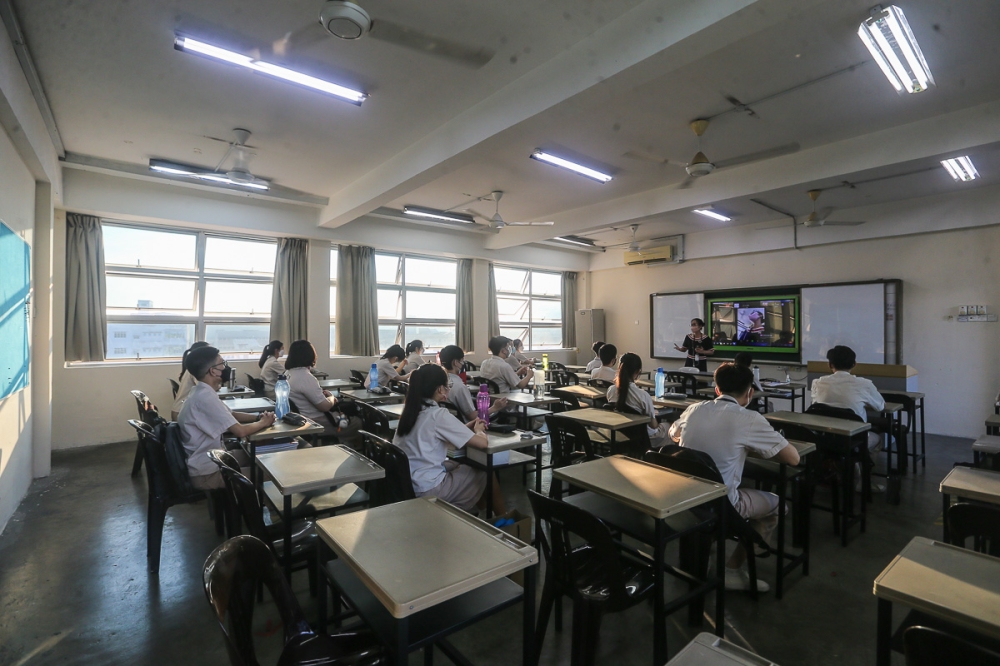
Students attend classes at a secondary school in Klang in this file photo. — Picture by Yusof Mat Isa
Schools have a wonderful opportunity to change this. Instead of teaching children that quality means getting everything right in an examination, we should help them see that quality is about doing things properly, caring for others and continuously improving ourselves. Imagine students checking whether their classrooms are clean and well-ventilated. Imagine them observing air quality around their schools, recording their findings and discussing ways to reduce pollution. They could even investigate why certain school areas are always littered and suggest practical solutions. These are not merely environmental activities. They teach responsibility, teamwork, problem-solving and the importance of taking action.
Teachers can also introduce a simple habit: plan, do, check and improve. When something does not work, students learn to reflect and try again. Such lessons are valuable not only in school but throughout life. The connection between quality education and a healthy environment is equally important. Clean air, proper ventilation and pleasant learning spaces help create conditions in which children can stay healthy, comfortable and focused. A school that values cleanliness and environmental care is also teaching its students to respect shared spaces. Unfortunately, we sometimes spend more time decorating classrooms for competitions than ensuring that children practise these values every day. A beautiful classroom means little if students do not learn to keep it clean without being told.
During World Quality Week, schools could introduce simple initiatives such as classroom improvement challenges, student-led environmental checks, recycling projects or campaigns to reduce waste. The aim should not be another certificate or trophy, but lasting changes in behaviour. Parents, too, have an important role. Children who see adults throwing rubbish carelessly or wasting electricity may eventually do the same. Quality cannot be taught through slogans while our everyday actions tell a different story. Malaysia does not merely need excellent students who can pass examinations and secure good jobs. We need thoughtful young people who take pride in doing things well, respect their surroundings and care about the future of their communities.
Perhaps the greatest measure of a quality education is not how many straight-A students a school produces, but how many responsible human beings it sends into society. After all, what is the point of building world-class schools if we fail to nurture people who care for the world outside them?
* Associate Professor Nurulwahida Azid @ Aziz and Associate Professor Muhammad Noor Abdul Aziz are from the School of Education, Universiti Utara Malaysia.
** This is the personal opinion of the writer or publication and does not necessarily represent the views of Malay Mail.
KioskNews shows a cleaned-up reading view extracted from the publisher’s page — the original always lives on their site, not ours.