Mumbai slum redevelopment: SRA targets 5.1 lakh rehabilitation homes by 2030
SRA steps up Mumbai slum redevelopment with cluster projects
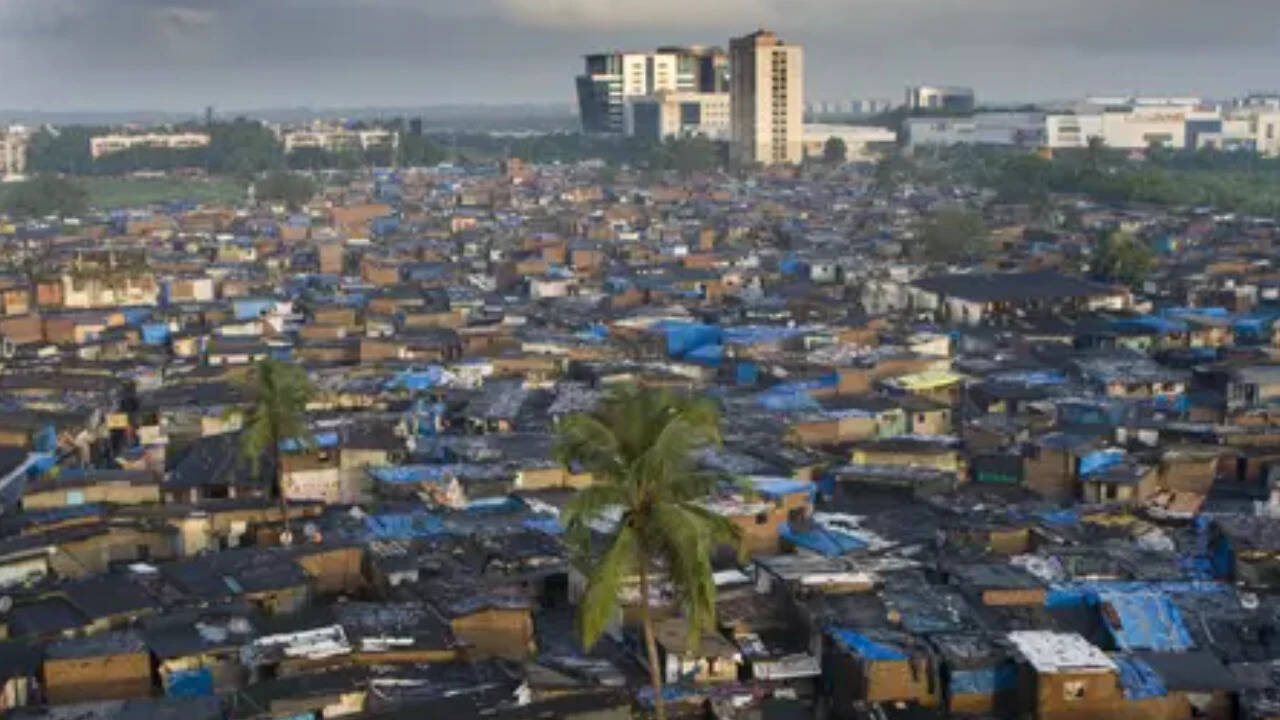
The Slum Rehabilitation Authority (SRA) has set a target of developing 5,09,873 rehabilitation homes by December 2030 as Maharashtra seeks to accelerate stalled and ongoing slum redevelopment projects across the Mumbai Metropolitan Region.SRA chief executive officer Mahendra Kalyankar outlined the targets while presenting Maharashtra's affordable housing and cluster development policies at a national conference organised jointly by the ministry of housing and urban affairs and Niti Aayog.The authority has set year-wise targets of 90,264 rehabilitation homes by December 2026, 1,48,219 by December 2027, 2,44,356 by December 2028, 3,61,026 by December 2029 and 5,09,873 by December 2030.
SRA plans cluster redevelopment, measures to revive stalled projects
To speed up projects that have stalled, the SRA has provided for measures including an amnesty scheme, joint partnership models and appointment of developers through tenders.The authority has also identified 19 locations for cluster redevelopment on large land parcels in Mumbai. Three locations, Behrampada in Bandra East, Majaswadi in Andheri and Behram Baug in Oshiwara, have been selected for the first phase.
These projects are proposed to be implemented through joint partnerships involving agencies such as the Mumbai Metropolitan Region Development Authority (MMRDA), Maharashtra Housing and Area Development Authority (MHADA) and City and Industrial Development Corporation (CIDCO).Under the SRA model, eligible slum dwellers are provided permanent rehabilitation homes without payment, while developers receive incentive sale floor space index (FSI).People occupying eligible structures that existed before January 1, 2000 are entitled to free 300 sq ft rehabilitation homes. Those living in eligible structures established between January 1, 2000 and January 1, 2011 can receive 300 sq ft homes on payment of Rs 2.50 lakh.
Digital monitoring, Dharavi redevelopment
The SRA has introduced 22 digital services since May 2024, covering complaint registration, project scrutiny and approvals, no-objection certificates, inheritance registration, land acquisition and real-time tracking of correspondence.It has also introduced computerised lotteries for rehabilitation-home allotments, online land-premium deferment and a multilingual AI-based chatbot, according to the report.For monitoring unauthorised encroachments, the authority has developed 'Netram', a computerised system under the Prime Minister Gati Shakti initiative. It uses satellite imagery to monitor encroachments in the Mumbai region and share information on new encroachments with relevant authorities.Meanwhile, the Dharavi redevelopment project is being implemented in three phases and is targeted for completion by 2033.More than 17,000 local industries and commercial establishments operate in sectors including leather goods, pottery, textiles and food. The redevelopment plan proposes in-situ economic rehabilitation for these businesses.Under the Dharavi policy, eligible ground-floor residents living there before January 1, 2000 are planned to receive free 350 sq ft homes on a key-to-key basis.
Eligible structures established between 2000 and 2011 are eligible for 300 sq ft homes at Rs 2.50 lakh.The Dharavi plan also envisages integrated public transport, open and green spaces and upgraded infrastructure. Around 45 acres of land has been made available by the ministry of railways for railway infrastructure linked to the project.
KioskNews shows a cleaned-up reading view extracted from the publisher’s page — the original always lives on their site, not ours.