Chasing Gothic Lolita demand, Japanese businesses expand to Europe
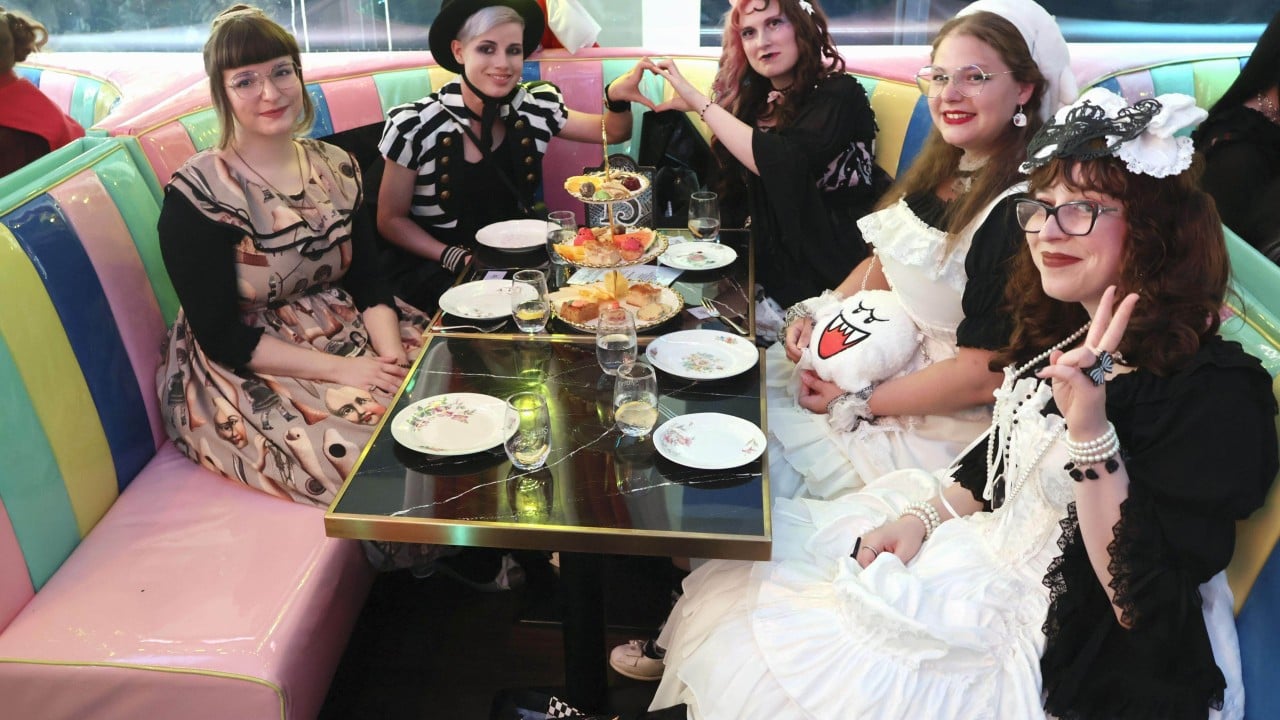
A Japanese fashion style inspired by historical European clothing is finding a growing following in Europe, where enthusiasts are embracing its elaborate designs and forming communities around their shared passion for lace, frills and intricate outfits.
Gothic Lolita, often shortened to “Goth-Loli,” blends elements of European clothing styles with Japanese fashion sensibilities. Japanese brands are now looking to expand their presence in Europe, bringing the style back to the continent that helped inspire it.
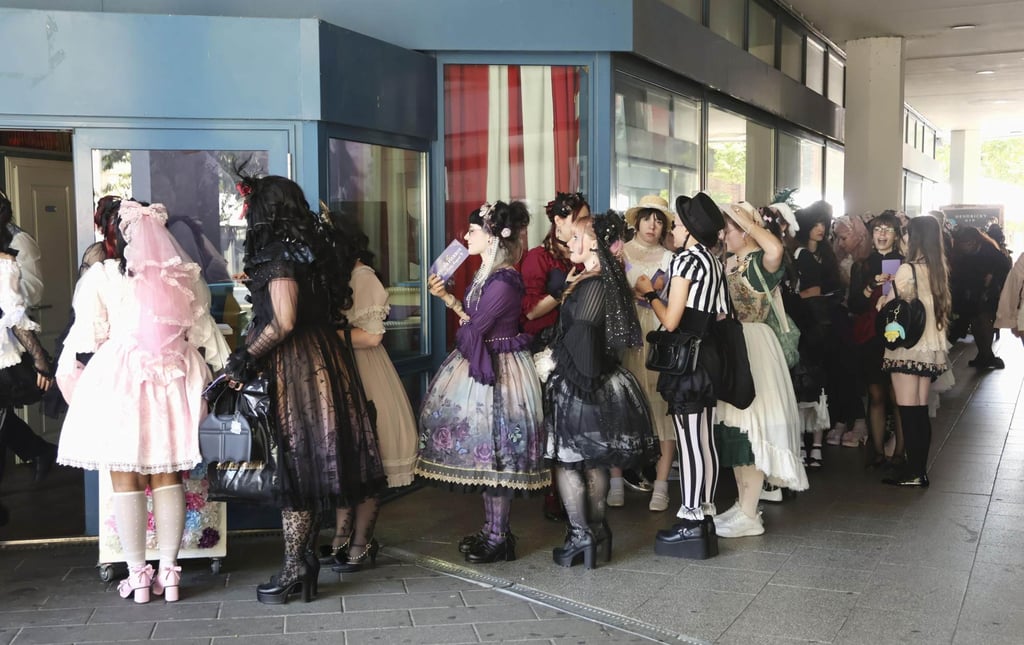
In August, around 70 enthusiasts gathered at a restaurant in central Berlin for a “tea party” organised by Japanese fashion brand Atelier Pierrot, its first such event in the German capital.
Dressed in elaborate outfits featuring lace, ruffles and other decorative details, participants enjoyed cakes and sweets, posed for photographs and exchanged fashion tips.
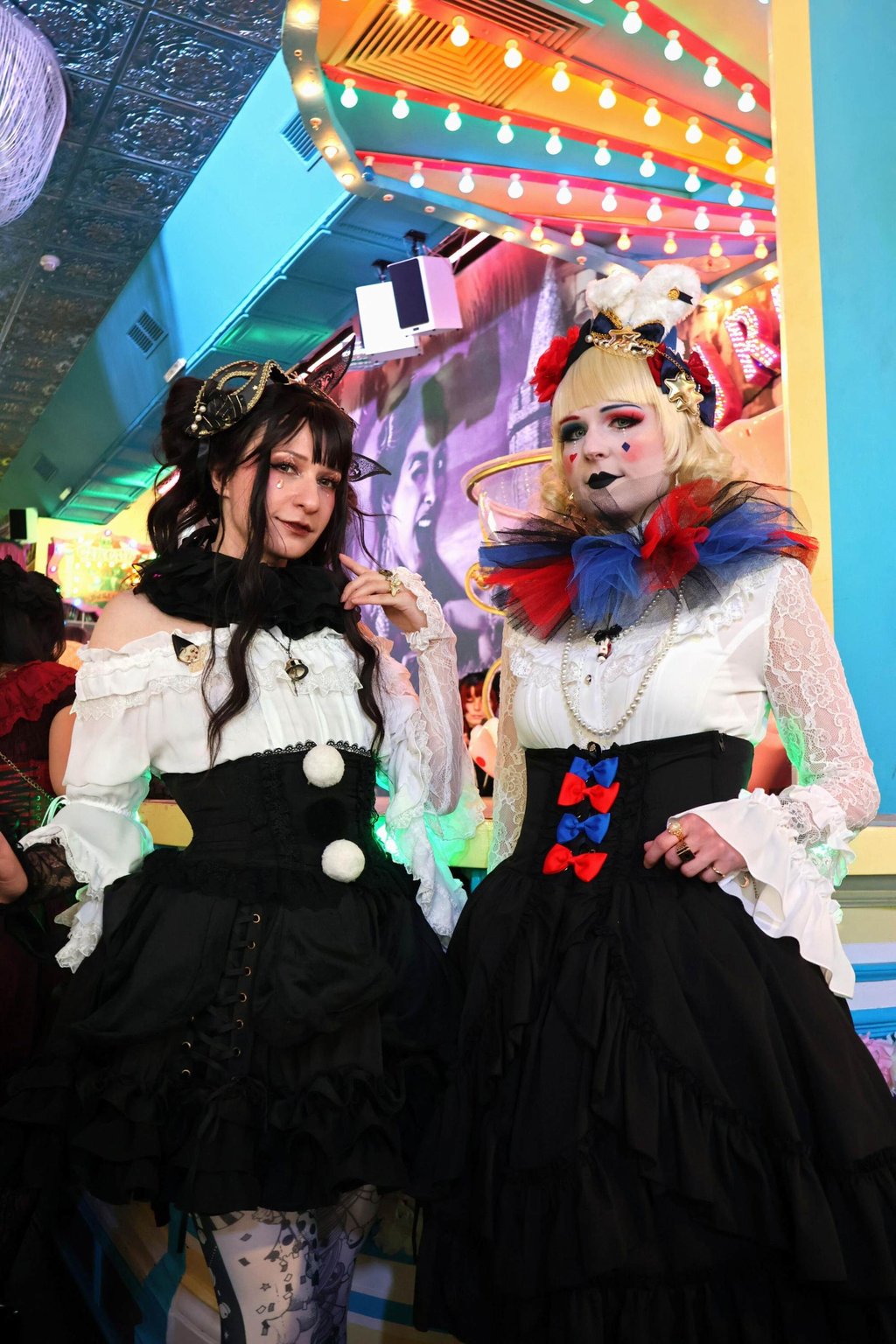
Some had travelled from Belgium, Ireland and Poland to attend the gathering.
Henriette, 37, who lives in Dresden in eastern Germany, has been a fan of Gothic Lolita fashion for nearly 20 years.
“It’s beautiful,” she said of the clothing. “And the Japanese people, when they do something, they do it 100 per cent.”
She said German enthusiasts regularly organise gatherings every month or two, sometimes drawing participants from other European countries.
For Henriette, however, the biggest attraction goes beyond the clothes themselves.
“The beauty is nice,” she said. “Getting to know each other, that’s the best.”
Another long-time enthusiast, a 39-year-old accountant, said her interest in Japanese culture began with anime and music before expanding to fashion.
She welcomed the exchange of influences between Japan and Europe, describing it as “a nice way of being inspired by each other and not seeing it as stealing.”
The growing enthusiasm is also translating into increased sales for Japanese brands seeking a stronger foothold in Europe.
According to Atelier Pierrot, its online sales to Europe jumped about 77 per cent in 2025 from the previous year. Sales to Germany rose around 2.3-fold, while those to France increased about 83 per cent.
Connie, a model and overseas ambassador for Atelier Pierrot, attributed the growth partly to efforts to organise events, improve English-language communications and offer a wider range of clothing sizes.
She said interest has increased since the COVID-19 pandemic, while in-person events have helped newcomers discover a fashion style that could otherwise seem difficult to approach.
“Lolita is not a cheap fashion,” she said, explaining that potential customers can be hesitant to spend money without first seeing or trying on the clothes.
She said the opportunity to examine the quality and check sizes in person could help overcome those concerns.
Social media has also helped introduce the style to younger European fans.
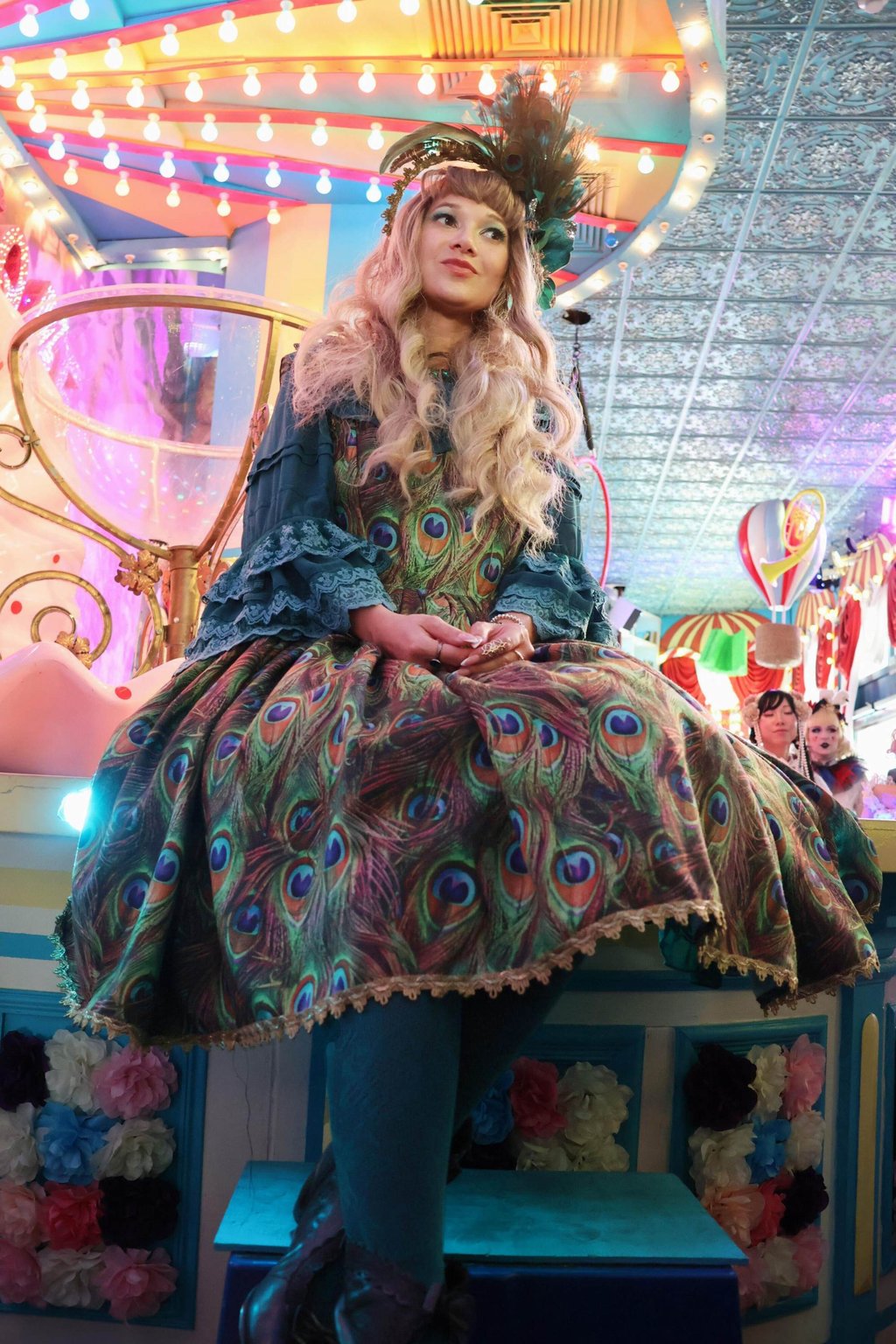
Nadine Ehrenberg, 29, a Berlin resident, said Japanese fashion was attracting more attention, particularly among teenagers and people in their twenties.
“I think because of social media and everything, it gains more popularity and more people come to it,” she said.
Connie said she had encountered children as young as 11 or 12, and sometimes younger, showing an interest in wearing Lolita fashion.
“Sometimes you hear people saying Lolita is dying out, but I feel more than ever Lolita fashion is spreading and evolving,” she said.
Encouraged by the turnout in Berlin, Connie hopes to organise more events in Germany and elsewhere in Europe, bringing together fans of a fashion culture shaped by influences from both continents.
KioskNews shows a cleaned-up reading view extracted from the publisher’s page — the original always lives on their site, not ours.