National Cyber Directorate issues warning to Israeli retail chains after European stores hacked

The Israel National Cyber Directorate (INCD) issued a warning to retail chains, food companies, and logistics centers across the country in light of the wave of cyberattacks targeting refrigeration settings in Europe on Monday.
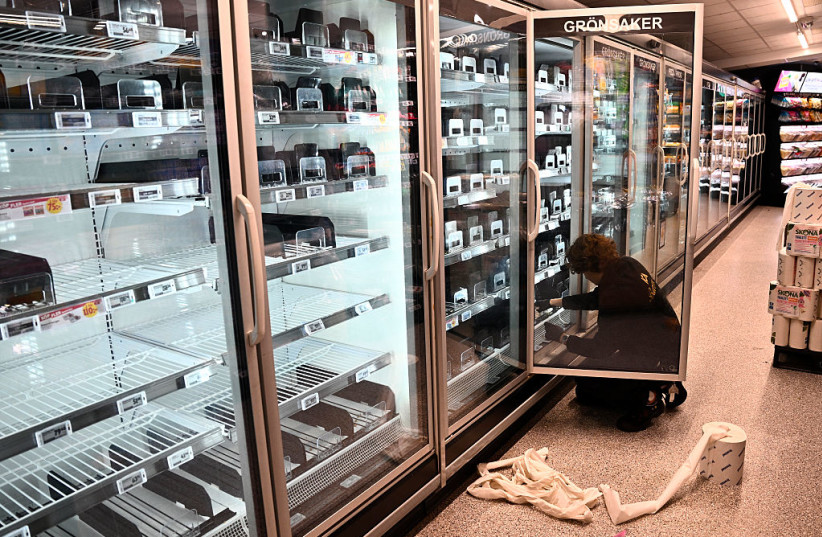
The attacks in Europe saw hackers take control of refrigeration settings at dozens of stores, raising temperatures in refrigerators and freezers. Large quantities of food were spoiled in the attacks, causing significant financial losses and, in some cases, equipment damage and even fires.
Supermarket groups Ahold Delhaize and Colruyt in Belgium and Luxembourg, Swedish grocers ICA and Coop, and at least one IKEA furniture-to-meatballs retailer were affected.
The directorate urged Israeli retail chains to inspect their refrigeration and control systems, focusing on those that allow technicians and service providers remote access.
Retail chains were asked to report back to the directorate with their inspection results and to detail what protective measures have been put in place.
'Everything is destroyed'
Recommendations for protective measures include ensuring that the refrigeration and control systems are not directly exposed to the internet, changing default passwords, updating outdated systems, securing remote access through multi-factor authentication, and activating independent alerts to detect unusual temperature changes.
"Everything is destroyed," Engla Ingwall, sales manager at an ICA franchise store in Stockholm, told Reuters during a visit to the store on Monday, adding the attack occurred at 2 a.m. but was only noticed hours later.
"There has been a cyberattack and all our freezers reached 50 degrees [Celsius]."
A spokesperson for privately held ICA said the company knew a "limited number of stores were affected by an incident overnight, which impacted their refrigeration and freezer systems."
KioskNews shows a cleaned-up reading view extracted from the publisher’s page — the original always lives on their site, not ours.