Life on pause: The children left in limbo after their parents’ deportation to Mexico
Lina remembers herself before her mother’s deportation as the girl who talked to everyone. She played basketball and piano, studied French, painted — and loved school.
Today, at 17, Lina is a U.S. citizen living in Jalisco. She has not been in a classroom for five years.
“I don’t work. I don’t go to school. I don’t talk to anybody,” she said. “I’m just alone in my thoughts all day.”
The documentation gap
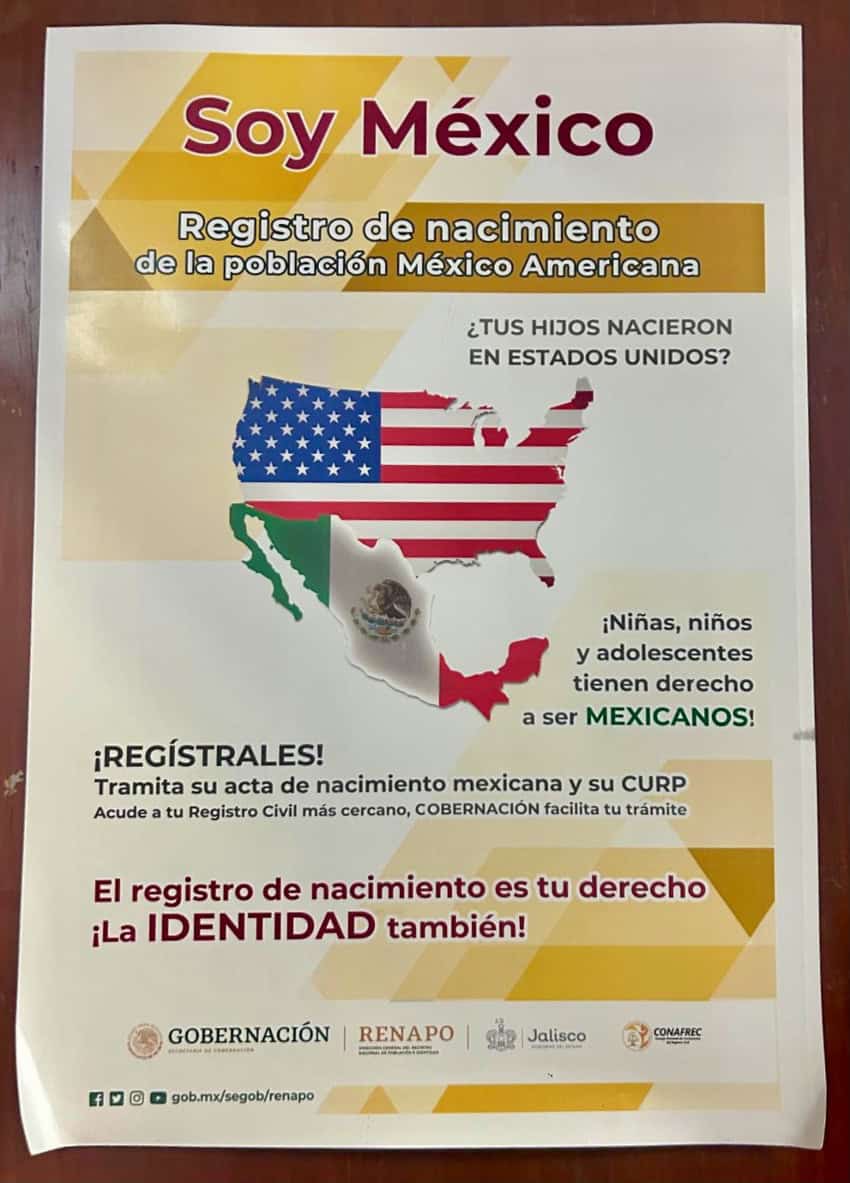
Lina is one of an untold number of U.S.-citizen children living in Mexico because of a parent’s deportation. Like many, she has been caught in a documentation gap that can make it difficult to build a life here — even though she is Mexican by birthright.
Under Mexican law, children born abroad to a Mexican mother or father have Mexican nationality. Proving it on paper is another matter.
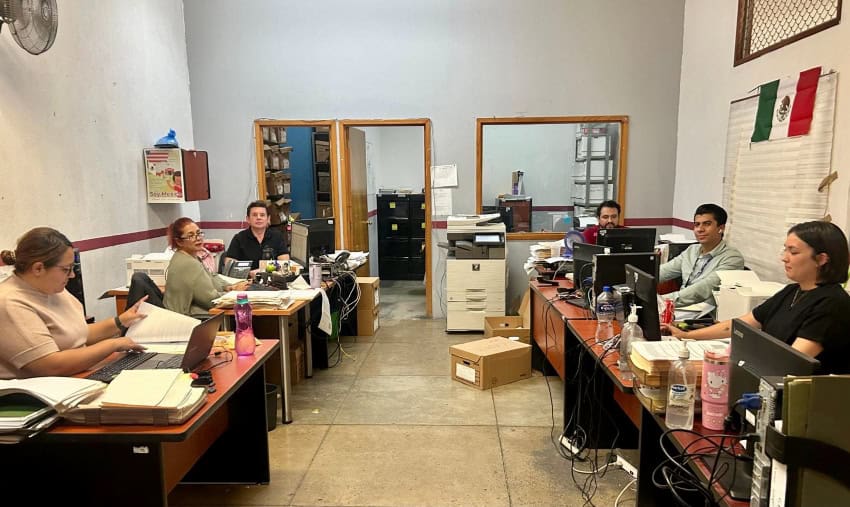
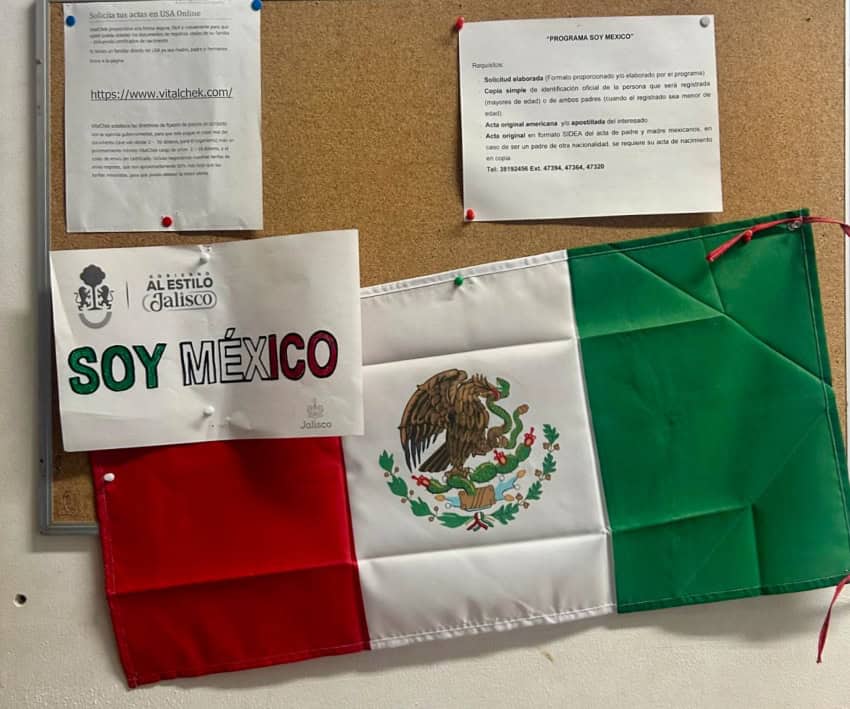
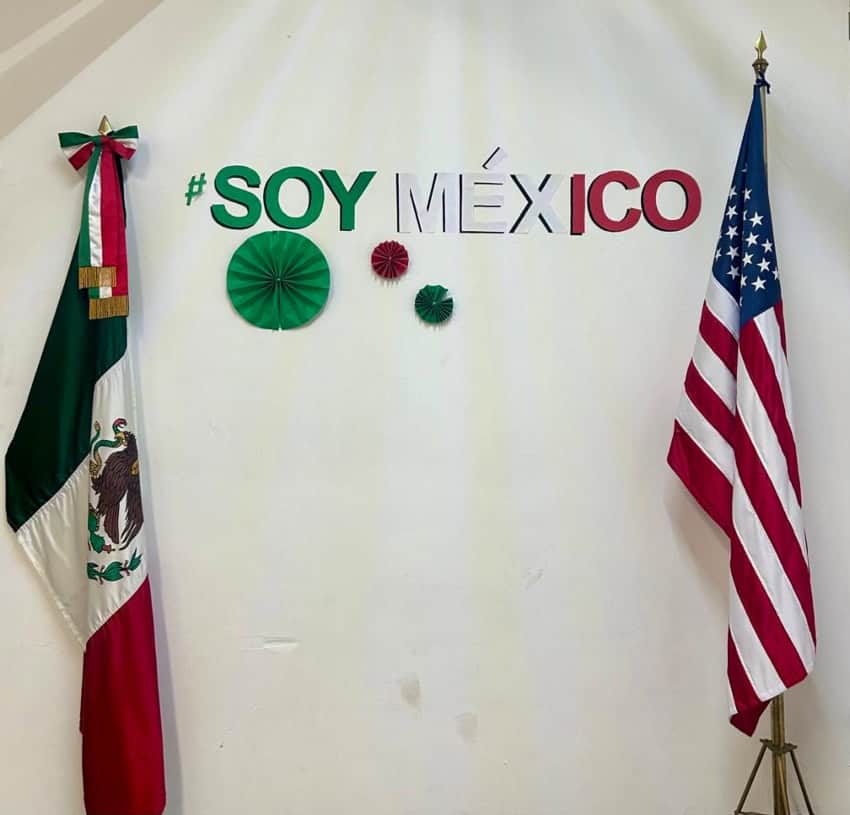
For Lina and other U.S.-born children of Mexican parents, the national Soy México program can temporarily make that process easier. During a brief annual window, it allows eligible applicants to obtain Mexican documents without some of the costly, time-consuming requirements of the regular process.

For families able to use it, Soy México can eliminate months of cross-border bureaucracy and significant expense. Although Soy México is a national strategy, its practical reach is a patchwork: Dates, eligibility and costs can differ from state to state and even, in Baja California, from one municipality to another. In Jalisco, where Lina lives, Soy México opened this year on Aug. 22 and is expected to continue through late October. It could close earlier if federal funding runs out.
For Lina, it could mean something more fundamental.
“I have a higher possibility of going to school,” she said.
A family scattered
The chain of events that brought Lina here began five years ago when she was 12.
One night in Florida, she heard her older brother crying through the wall and learned that her mother, Hanna, had been arrested and would likely be deported.
“I told my mom, and I cried to her,” she remembered. “I was like, just come home, just come home.”
That night, Lina said, she experienced her first panic attack. The next morning she went to school but couldn’t concentrate and spent much of the day crying with a counselor.
While her mother was detained and eventually deported, Lina and her brothers’ home life unraveled. They moved among relatives and were eventually separated from one another.
‘I don’t know anybody here’
Hanna’s own arrival in Mexico offered little stability. Born in Mexico but raised in the United States from about age 2, she arrived in Matamoros with US $100 and headed for Guadalajara, where her father lived. But he did not answer her calls, and when she finally found him, he offered little of the support she had expected.
“I have nowhere to go,” she remembers telling him after finally finding him. “I don’t know anybody here. I don’t know anything here.”
“In my plans, I never thought of coming and living in Mexico.”
Eventually, Hanna feared her children could be placed in state custody. She arranged for a friend to bring them to Mexico.
Lina arrived already behind academically. She had been withdrawn from school in Florida after completing the first semester of seventh grade. She expected to start again in Mexico.
“I was like, I want to go back to school,” she recalled.
She was prepared to repeat seventh grade if necessary. But Hanna was unable to enroll Lina because Lina did not have a CURP and had no Mexican documentation.
“I had so much hope every time,” Lina said. “‘I get to go back to school, I get to go back to school.’ But there was just no hope of that.”
In school, but not on paper
Lina’s younger brothers encountered the same documentation problem, although their elementary school allowed them to attend class but would not receive credit.
“They received them as listeners only,” Hanna said. “They weren’t getting school credit because they didn’t have their papers.”
Tran Dang, executive director of The Rhizome Center for Migrants — which has assisted the family with the children’s identity documentation and the process for the mother to return to the United States — explained that U.S.-born children of Mexican parents can face nearly insurmountable barriers to establishing their identity in Mexico.
In Mexico City’s ‘Little LA,’ deportees find work and a community
To register in Mexico, the children must present a long-form birth certificate that has been translated, certified and authenticated — requirements that impose a heavy bureaucratic and financial burden on families now living in Mexico. Even minor discrepancies between the names used in U.S. and Mexican documents can stall the process, leaving these children without legal status in Mexico, without identification documents, and unable to enroll in school.
In Lina’s case, the Rhizome Center helped her obtain a U.S. passport, her first government-issued photo ID, making it easier to return to the United States, if necessary. But obtaining and apostilling another Florida birth certificate for Lina would have taken roughly eight months, Dang said. Rather than wait that long, the family decided to wait for Soy México.
José Israel López, coordinator of the Soy México program, said problems involving school are among the most common reasons families come to the program.
“It’s almost the primary issue,” he said: Families arrive because children need to enroll or continue their studies.
A shortcut — but not for everyone
Soy México has operated since 2017. When a U.S. birth record from a participating state can be electronically verified, applicants can bypass the apostille and translation requirements.
Eligible applicants can receive their Mexican birth certificate and CURP the same day. But the program is not a universal solution.
It does not operate year-round, not every record can be verified, and not every U.S. state participates. Texas, notably, does not.
So far this year, 16 children have lacked the documentation or other requirements necessary to complete their Mexican registration, even through the Soy México program. Some of those cases require legal assistance in the United States to resolve problems with U.S.-issued documents — the kind of cross-border assistance the Rhizome Center often provides.
López said demand has been rising, a trend he linked partly to events in the United States. In the program’s first month, about 400 applications were received across Jalisco, according to Civil Registry officials.
With continued deportations bringing more mixed-status families to Mexico, Dang believes more U.S.-citizen children are likely to confront the same problem. At the same time, some U.S. children brought here years ago remain undocumented, never having obtained identification in Mexico. They may not know that organizations like the Rhizome Center exist to support returned and deported families in overcoming the legal barriers they experience to continue their lives.
“It’s in the best interest of the United States and Mexico that these kids do not forgo their future and can enroll in school immediately,” said Dang, Rhizome Center executive director.
Years that documents cannot return
While friends and cousins in the U.S. move toward college, Lina is still trying to get back into a classroom — one of the children Dang describes as “invisible to both countries.”
Lina had once imagined doing an accelerated high school program. If she had, she believes, she would now be nearing graduation, or might already have finished.
“I’m not going to lie, I’ve always been embarrassed to go back to school at my age,” she said. “If I had had it my way, I would have graduated already.”
Her brothers have since returned to the U.S. while Lina remains in Mexico with her mother. In a letter she wrote about her mother’s deportation, Lina found the words for it:
“My mother’s deportation did not only affect her. It changed the course of my life. At times I feel as though my life has been placed on pause while everyone else moves forward.”
Dang argues that this is what can disappear inside a bureaucratic process.
“Oftentimes when you’re dealing with these bureaucracies, government offices are just focused on requirements,” she said. “They’re not thinking about lives. Depriving a child of their education and their future has societal and generational implications.”
Lina, however, has not stopped imagining hers.
“I do want to have a career,” she said. “I want to be somebody big. Not somebody big to other people, but I want to be someone big to myself.”
“I want to really make it out.”
Service box: How Soy México works
What is it?
Soy México allows eligible people born in the United States to a Mexican parent to register their birth in Mexico through a simplified process when their U.S. record can be electronically verified. For a limited time, the program can eliminate requirements such as an apostille and translation, but dates, eligibility and costs vary by state.
What does the applicant receive?
A Mexican birth certificate and CURP, which school-age children can use to enroll in school.
When does it operate?
Soy México is administered through state civil registries, and operating periods vary. Several 2026 campaigns have been concentrated in late summer and fall. In Jalisco, the program opened Aug. 22 and is expected to continue through late October, although it could close earlier if federal funding is exhausted. So far this year, some 400 applications have been submitted in Jalisco through the program.
Does everyone who applies qualify?
No. Applicants still must meet the program’s requirements and their U.S. birth record must be verifiable through the participating system. In Jalisco, 16 children so far this year have had cases that could not be completed through Soy México.
What if the family misses the window?
Registration is still possible through the regular Civil Registry process. Requirements vary by state, but the conventional route may require additional steps such as obtaining an apostille and Spanish translation.
What if the U.S. birth certificate contains an ‘error’?
Mexico typically requires that all legal names remain strictly identical across all official documents. A misspelling of a parent’s name, or a missing maternal last name on a child’s U.S. birth certificate might mean the child must correct the U.S. record before the Civil Registry will register the child’s birth in Mexico.
How long does Soy México take?
Processing times vary. In Jalisco, López said applicants can arrange an appointment by telephone; once the appointment is made and the case is ready to process, documents can be delivered that day.
What documents should applicants bring?
Requirements vary by state. Applicants generally need the U.S. birth certificate, proof of the Mexican parent’s birth/nationality and identification. Families should check with their state civil registry before applying.
In Jalisco, applicants are asked to bring:
- Completed application (form provided and/or prepared by the program).
- Photocopy of official identification of the person to be registered (if an adult) or of both parents (if the person to be registered is a minor).
- Original U.S. birth certificate and/or apostilled birth certificate of the applicant.
- Original birth certificate(s) of the Mexican parent(s) in SIDEA format; if a parent is of another nationality, a photocopy of their birth certificate is required.
Where can Jalisco residents apply?
Civil Registry of Jalisco, Prolongación Alcalde 1855, +52 33 3819 2456 ext. 47394, 47364, 47320.
Which U.S. states do not participate?
Connecticut, Guam, Idaho, Kentucky, Maryland, New Hampshire, Nebraska, Puerto Rico, Rhode Island, Texas, American Samoa and the Northern Mariana Islands.
Tracy L. Barnett is a Guadalajara-based freelance writer and the founder of The Esperanza Project.
KioskNews shows a cleaned-up reading view extracted from the publisher’s page — the original always lives on their site, not ours.