Dubai, Abu Dhabi property markets could gain if Trump’s midterm losses help end Iran war
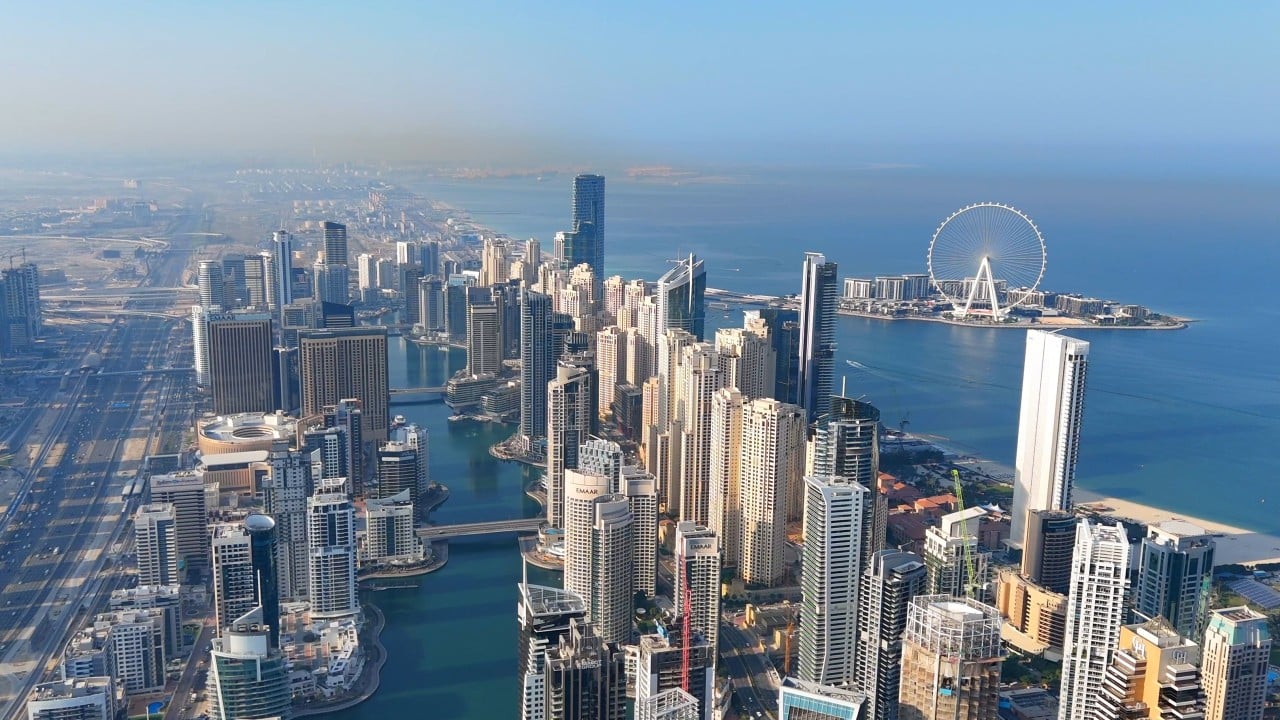
The United Arab Emirates, a favoured destination for foreign property investment, could see support for housing demand and prices if heavy midterm losses for US President Donald Trump’s Republican Party help bring an end to the Iran war, analysts said, adding that housing markets across the wider Middle East could also benefit.
Property demand in Abu Dhabi and Dubai, the two largest emirates in the UAE, cooled in recent months, according to data tracked by JLL, following the US-Israel war on Iran that began in February. The hostilities began with strikes on targets across Iran and quickly escalated into a wider regional conflict.
Kashif Ansari, co-founder and group CEO of Juwai IQI, a property portal with US$4 trillion worth of property listed annually, said foreign buyers could return “in greater numbers” when the global situation resolved itself.
“It’s too soon so we don’t expect the congressional election to change US foreign policy, but we are optimistic about home prices in Dubai and the Middle East in 2027,” he said.
In Abu Dhabi, total sales transactions fell 9.6 per cent in the third quarter from a year ago, the first year-on-year decline since the beginning of 2026. In Dubai, sales volumes slumped 37.7 per cent in the same period, JLL said in a report.
Residential property prices also fell, with town-house prices in Abu Dhabi slipping 8.3 per cent in the third quarter from the preceding three months. In Dubai, flat and villa prices dropped 1.8 per cent and 1.6 per cent, respectively, according to the property consultancy.
Before the conflict, Dubai had dominated the global luxury housing market. From 2023 to 2025, it beat out cities such as Hong Kong, London and New York, with annual sales of homes worth at least US$10 million ranging between 426 and 499 units, according to Knight Frank.
As of the third quarter, Hong Kong edged past Dubai by total super-prime sales value for the first time since 2022, with 78 deals worth US$1.58 billion during the quarter, Knight Frank said in a report on Friday. Dubai remained the largest market by transaction volume, with 86 sales totalling US$1.57 billion.
In the first half of 2026, the UAE was the 10th most favoured buyer destination for Chinese nationals, according to Juwai IQI’s rankings based on the number of inquiries that it received. For the full year of 2025, it ranked ninth.
However, attacks by Yemen’s Iran-aligned Houthis on key installations in Saudi Arabia – including airports – and recent damage to oil giant Aramco’s corporate office in Riyadh’s financial district threatened to worsen the situation in the region.
Despite the Iran war weighing on demand for property in the Middle East, an expat-friendly tax regime and fast-track residency programme were among the drawcards attracting foreign investment to Dubai.
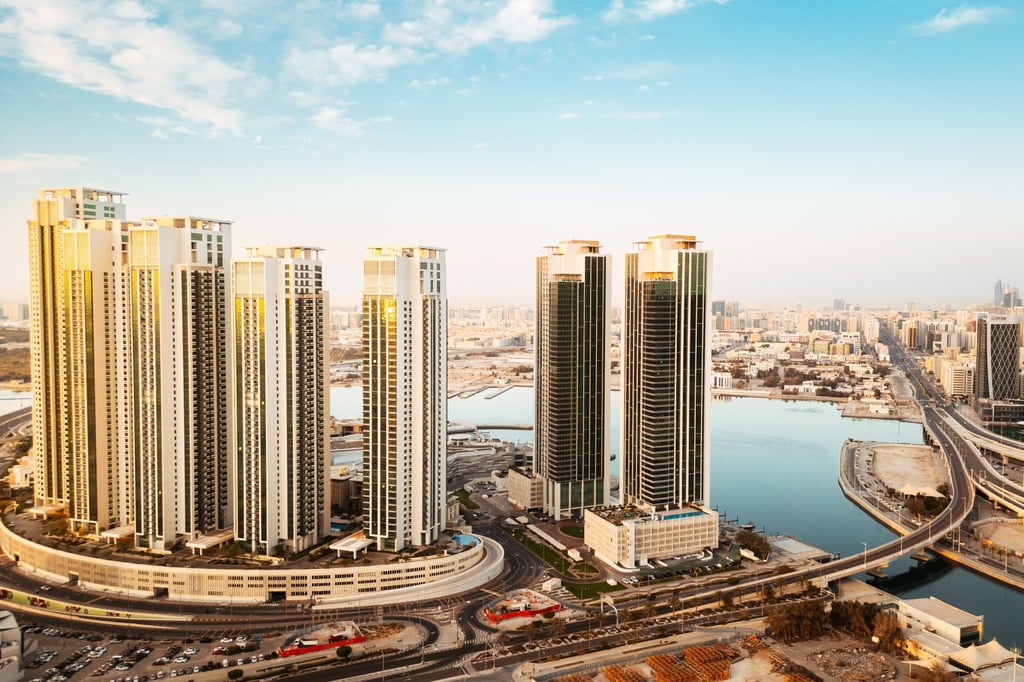
Meanwhile, Abu Dhabi’s potential attracted the likes of Hong Kong-based Gaw Capital, which spent more than US$150 million in May last year on a residential building in the city.
The property is one of seven residential buildings at the low-density Mamsha Gardens project on Saadiyat Island, home to the city’s cultural district and the Louvre Abu Dhabi.
Around that time, residential investment zones in Abu Dhabi were recording double-digit growth in prices and rents, according to Cushman & Wakefield Core.
“The UAE and broader Middle East residential property market has transitioned into a phase of normalisation following multi-year record highs,” said Felix Cheung, head of international residential at JLL in Hong Kong. “While demand remains strong, especially locally, growth rates in sales prices and rents are moderating from their previous peak expansion pace.”
Greater stability in the Middle East next year could lend further support to property markets in Dubai, Abu Dhabi and the wider region, according to analysts.
The question for the remainder of this year and for 2027 is when offshore investment will bounce back, not whether it will do so
“We remain cautiously optimistic on the UAE property market. While new supply is expected to enter the market, delivery is likely to be phased, helping to support overall market stability,” Cheung said. “Demand is expected to remain underpinned by long-term residents and end users.”
Beyond the security situation, the UAE’s fundamentals remained steady, underpinning its future growth, Juwai IQI’s Ansari said.
“People are still arriving in Dubai and need places to live,” he said. “The population is up to 4.73 million now, higher than in January, and tenants signed 242,500 leases in the third quarter.”
Likewise, Dubai is known for its attractive lifestyle and easy connectivity to both Asia and Europe, Ansari noted.
“It also has a US-dollar pegged currency, tax-free rental income, a welcoming golden visa, and a history of strong price growth and good rental yields,” he added. “It’s a great option for investors looking for higher returns than they can get at home in China.”
Abu Dhabi, like Dubai, also remains attractive given its stable regulatory market.
“The question for the remainder of this year and for 2027 is when offshore investment will bounce back, not whether it will do so,” Ansari said. “Will it happen in the first quarter of 2027? The third quarter? I can’t say.”
KioskNews shows a cleaned-up reading view extracted from the publisher’s page — the original always lives on their site, not ours.