Cleaner, smarter, big data: the PLA’s bet on ‘sunshine’ military recruitment
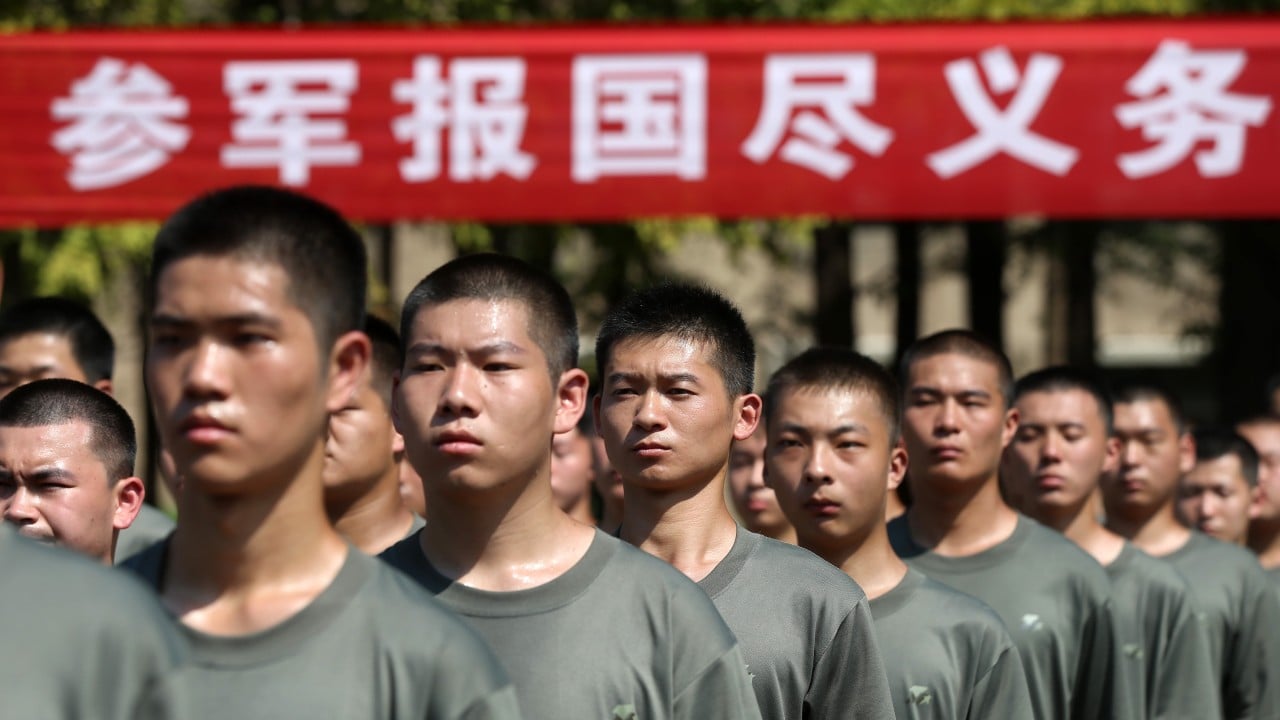
The Chinese military is mining big data to get better recruits and stamp out corruption in the march towards its centenary next year.
As part of an overhaul called “end-to-end sunshine” recruitment, the People’s Liberation Army has been commanded to use data-driven systems across the the enlistment process to build a military “focused on war readiness”.
The orders came this month from the general offices of the Central Military Commission and State Council and mark a renewed push to eradicate persistent graft as part of Beijing’s broader military anti-corruption efforts.
They also target the recruitment of better educated personnel through big data and smart technologies to adapt to modern warfare.
According to a PLA Daily report on the initiative, the reform aims to “enhance the quality and efficiency of the recruitment process, ensuring an entirely online workflow, comprehensive data visibility and transparency across every stage”.
In August, China’s discipline inspection and supervision authorities publicised a batch of disciplinary and legal violations uncovered in the recruitment sector.
01:36
Former PLA generals expelled from China’s Communist Party for factionalism and disloyalty
These included cases in which Communist Party members and officials abused their positions to improperly help recruits secure preferred military branch assignments, alongside instances of cheating on physical exams and falsifying personal records.
“Recruitment is a foundational pillar of national defence and military development,” PLA Daily said in a commentary on Monday, warning that malpractice and corruption disrupt recruitment order and erode the foundation of national defence mobilisation.
In recent years, the PLA has intensified recruitment drives in response to President Xi Jinping’s call to prioritise combat readiness amid heightened tensions in the Taiwan Strait and flashpoints in the South and East China seas.
To attract higher-calibre troops who are required to operate more advanced weapons systems, Beijing has also improved military benefits and updated its legal framework to attract more young talent.
For example, a revised Regulation on Conscription Work that took effect on May 1, 2023, prioritises recruiting “high-quality personnel” – with college students as the main target – and adds a chapter on “wartime conscription”.
The efforts appear to be paying off.
College graduates accounted for more than half of China’s military recruits for the first time in 2022, and that share has held steady above 70 per cent over the past three years, according to an official from the defence ministry’s recruitment office cited in the PLA Daily report on Monday.
Military service authorities at all levels had increasingly deployed digital tools across the recruitment process, the report said.
In the first half of this year, the recruitment office piloted a nationwide assisted selection system that uses an algorithm-driven tool to draft rosters for selection and placement.
Local armed forces committees then review and refine the information, blending human judgment with machine analysis to keep troop vetting accurate, efficient and transparent, it said.
In addition to vetting reforms, recruitment outreach has been modernised through digital tools, according to the same PLA Daily report.
Whereas recruitment officers once rode motorcycles into rural villages to hand out fliers, they now use various digital media platforms to release recruitment information.
In a district in the southern Chinese city of Shenzhen, officials use big data from a “smart-city command centre” to track draft-age residents’ household registration, education and majors, drawing up a road map for tailored recruitment drives.
Meanwhile, other district officials in the city work with internet operators to assess candidates’ interest based on video watch times and link clicks, and they deliver follow-up messages through a closed-loop system of “outreach, targeting, feedback and tracking”, according to the report.
KioskNews shows a cleaned-up reading view extracted from the publisher’s page — the original always lives on their site, not ours.