How will the final section of Central Kowloon Bypass complete the Route 6 puzzle?

The opening of the final section of Hong Kong’s Central Kowloon Bypass on December 6 will complete the route between Yau Ma Tei and Tseung Kwan O, cutting travel time from 65 minutes to about 12.
The 8.1km Central Kowloon Route comprises the Yau Ma Tei section, already in use, and the Kowloon Bay section. Together with the Tseung Kwan O-Lam Tin Tunnel, it forms the 12.5km Route 6.
The South China Morning Post looks at what this means for commuters.
How will the new route reshape driving in Kowloon?
The fully commissioned route will cut the journey between Yau Ma Tei and Tseung Kwan O to 12 minutes. It will connect the high-speed rail terminus, the Kai Tak cruise terminal and the Kowloon East central business district, among other places.
A flat toll of HK$8 (US$1) will apply to all vehicles using the two sections of the bypass, collected through the e-toll system.
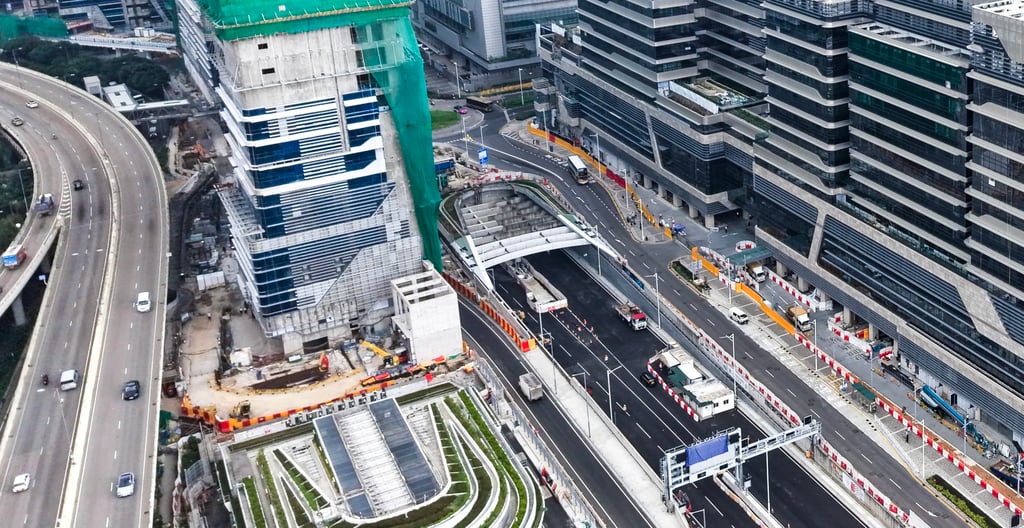
“We expect that when the Kowloon Bay section opens, it will ease up traffic in the main thoroughfares within the Kwun Tong district, such as Kwun Tong Bypass and Kwun Tong Road,” deputy commissioner for transport Leung Sai-ho said.
“So even the public who don’t use the Central Kowloon Bypass would also benefit.”
How about public transport users?
The Transport Department will reroute three franchised bus routes to use the whole of Route 6 once the Kowloon Bay section opens.
Principal transport officer Ken Wong Pak-kin said faster services would be offered on KMB route 290E and Citybus routes 795 and A28X, which run between Tseung Kwan O and Tsuen Wan, Cheung Sha Wan and the airport, respectively.
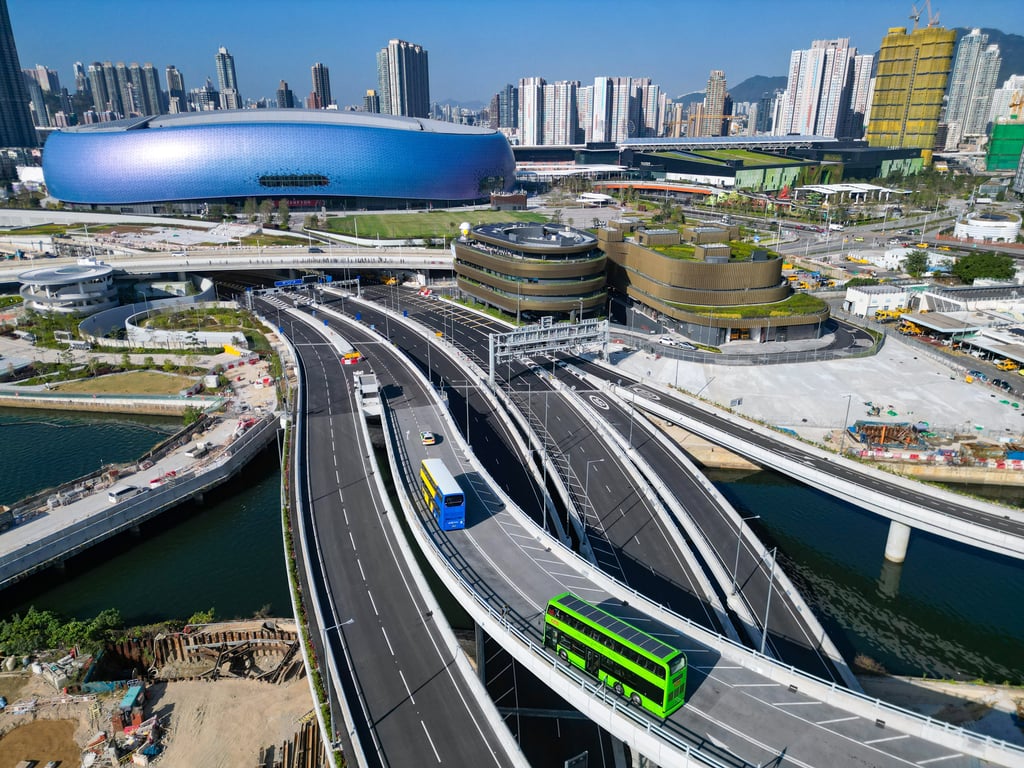
“As the Kowloon Bay section opens, the number of bus routes that use the entirety or parts of route 6 will reach 20 by the end of the year, providing over 300 bus services daily, to improve travel efficiency for residents travelling to various destinations,” he said.
What does the completed corridor look like?
The 3.4 km Kowloon Bay section is a dual two-lane trunk road between the Kai Tak Interchange and the Lam Tin Interchange. Some 3.1 km of it is a tunnel, of which 2.4 km runs beneath the seabed of the Kwun Tong Typhoon Shelter.
“The Kowloon Bay section of the Central Kowloon Bypass is the last piece of the puzzle in Route 6,” Leung said.
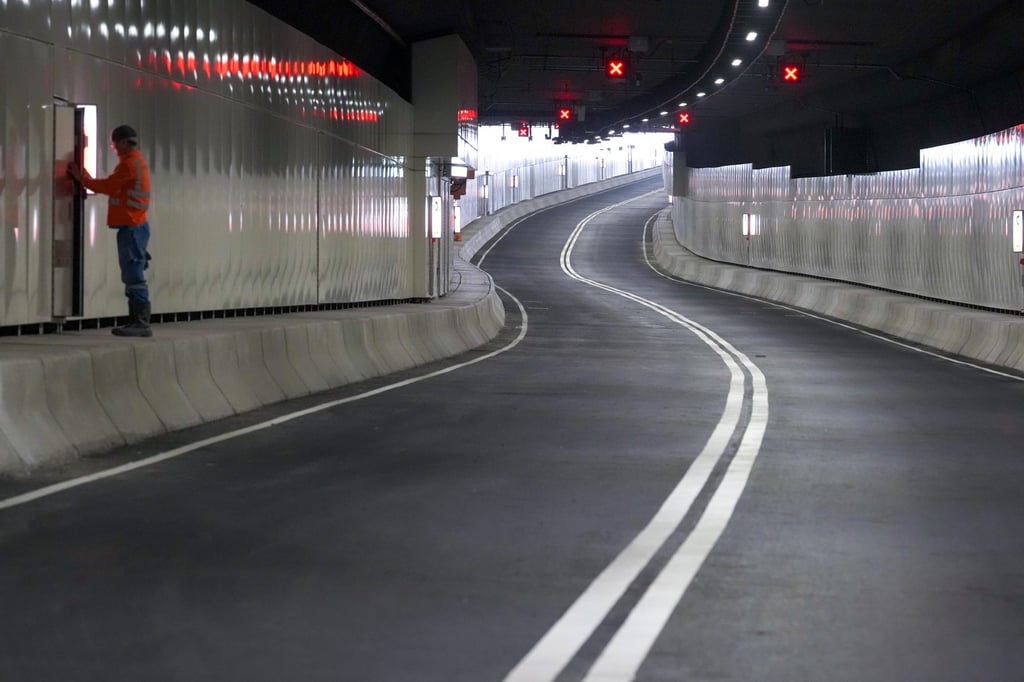
He added that the department has put in place over 80 temporary road signs in yellow to direct drivers to their destinations especially when the section was new.
What technologies were used in construction?
Leung said it was “extremely challenging” to build the Kowloon Bay tunnel in the seabed, up to 50 metres underwater. The team used two 14-metre-wide tunnel boring machines instead of reclaiming land.
“During the construction, the Kwun Tong Typhoon Shelter continued to operate normally, and the public could continue to use the harbourfront facilities,” Leung explained, even though the tunnel runs beneath the shelter.
He said 95 per cent of the tunnel structure components were precast off site, which improved construction safety and efficiency. The department also uses artificial intelligence for inspections to raise productivity and reduce the risks of working at height.
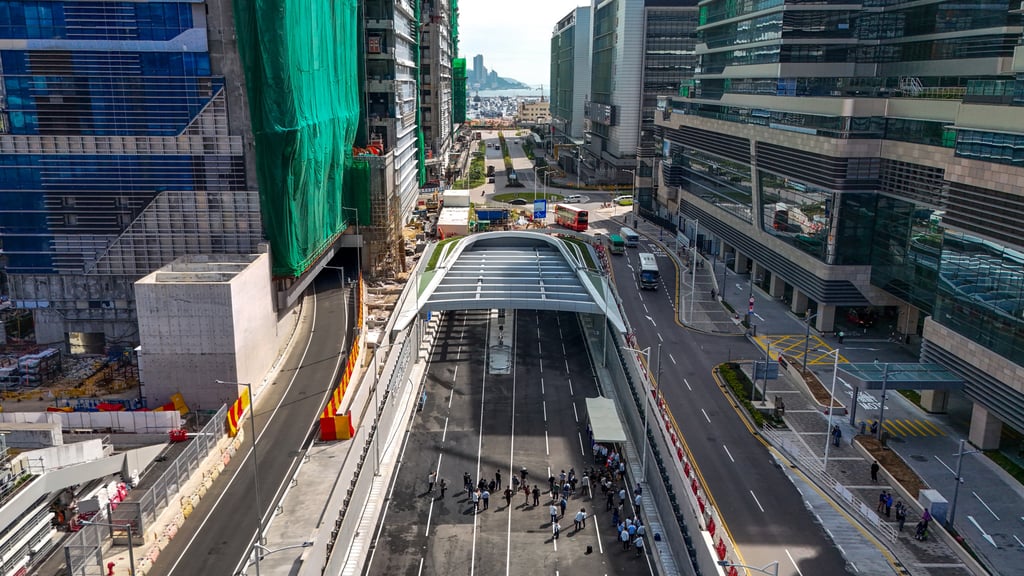
Horace Ng Chou-keen, a chief engineer at the department, said accessible cutterhead technology, used in Hong Kong for the first time on this project, had made the tunnel possible and significantly improved construction safety and efficiency.
Duncan Lau Ho-ken, a senior engineer at the department, said the department had developed the world’s first autonomous air-ground cooperative tunnel inspector. It integrates drones, collaborative robots and on-board AI to detect defects and carry out carriageway paving, among other tasks.
The “inspector” was co-developed with the Hong Kong Productivity Council and the Hyder-Meinhardt Joint Venture.
KioskNews shows a cleaned-up reading view extracted from the publisher’s page — the original always lives on their site, not ours.