Scientists find dice, game tiles in Kublai Khan shipwreck, revealing how troops coped at sea

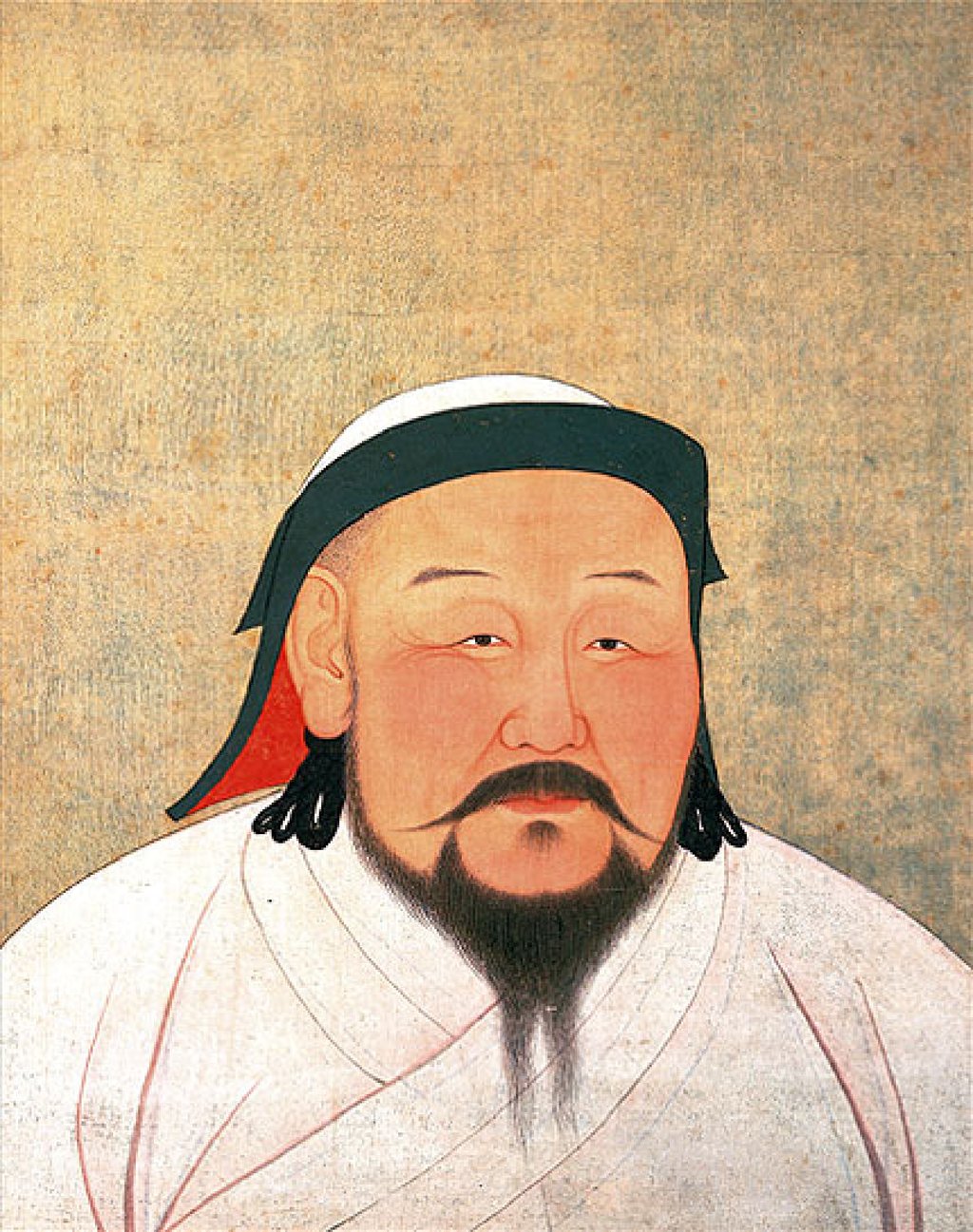
When Mongol leader Kublai Khan launched one of the largest naval invasions in human history in 1281, he was seeking a place to resettle a defeated Chinese army – and Japan was in his sights.
But conquering Japan proved a vexing challenge for Kublai Khan’s military ambitions, and a typhoon sent the massive armada to the bottom of the sea. A campaign intended to cement the overthrow of China’s Southern Song dynasty (1127–1279) would become a rallying cry in Japan for centuries.
A recent discovery now offers a glimpse into the lives of soldiers aboard those Mongol ships.
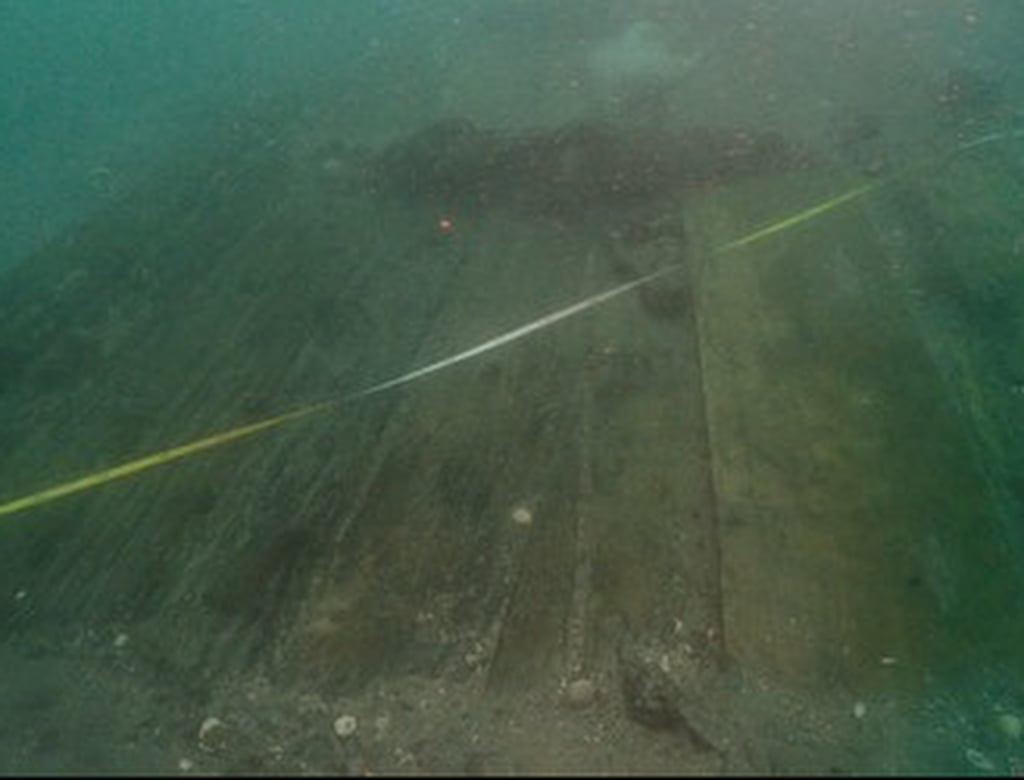
According to The Mainichi, a Japanese news outlet, archaeologists working for the Matsuura Municipal Government in Kyushu, Japan, unearthed five dice and 29 game tiles while excavating a large shipwreck about 18 metres underwater.
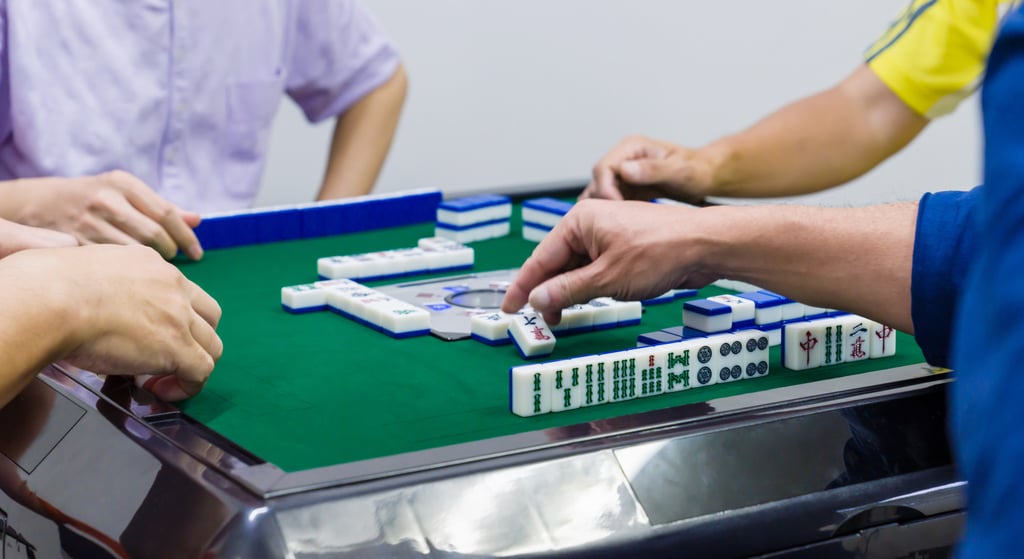
The discovery suggests that the soldiers, whose lives aboard the ships would have been squalid, may have spent their downtime playing a game that originated in China and is known as “koppai” in Japan, a precursor to mahjong.
“Life on the ships was torturous,” said Jack Weatherford, a Professor Emeritus at Macalester University and author of Genghis Khan and the Making of the Modern World, who was not involved in the excavation.
“Finding the game pieces at the stern of the boat probably indicates some meagre attempt by the soldiers to find slight relaxation and some mental relief from the stress that engulfed them each day,” he told the SCMP.
Weatherford described life aboard poorly built boats, where the men had little room to move and endured blistering sun with little shade. Their food would have turned rancid in the heat, and they survived on minimal supplies of putrid water.
Moreover, these were not men filled with dreams of glory: the navy was already retreating in defeat when the typhoon struck.
“By then, as many as 100 men were crammed into a small ship for nearly two very hot months, and they had lost the battle already before the typhoon struck,” said Weatherford.
“The game let them escape the hot, humid, and stinking confines of the ship for a few moments and slip back into a simple pastime of soldiers from their earlier lives.”
The game, thought to be koppai, shares some basic rules with mahjong, in which players are dealt 13 or 14 tiles and try to form sequences. The first player to form sets wins, depending on the variation being played.
Koppai originated in China and was later introduced to Japan. The presence of koppai game pieces in the shipwreck makes sense, as historical accounts suggest the passengers were likely prisoners from a defeated Song dynasty army.
The shipwreck dates to the second of two major naval invasions of Japan, the first of which took place in 1274. The 1281 armada was assembled after Kublai Khan’s victory over the Southern Song dynasty. The emperor needed a place to establish an agricultural colony with captured soldiers, where they would pose no direct threat to Yuan rule (1271–1368).
The invasion involved a two-pronged attack: a northern fleet supplied by conquered Korea and a much larger southern fleet made up of Chinese prisoners of war. The strategy proved mistaken, as the two forces struggled to communicate with one another.
While the first Mongol invasion shocked a divided Japanese society – it was the first time Japan had faced a foreign invader – the second attack lacked the element of surprise.
“After repulsing the first attempt, [the Japanese] realised that the danger was not over. Quickly, the people and the elites began to organise in a joint effort to prevent further attack,” said Weatherford. “Japan rapidly changed from a patchwork of rival warlords into the beginning of a unified nation.”
That unified nation repelled the invasion in 1281, but Mongolia remained in control of the seas off East Asia for the rest of Kublai Khan’s life. The Mongol emperor never achieved his goal of conquering Japan, though he was considering a third invasion near the end of his life.
The ships now being excavated were fleeing back to the mainland when the typhoon struck. That “divine wind” would attain near-mythological status, becoming associated with a term that would terrify Allied forces centuries later: Kamikaze.
KioskNews shows a cleaned-up reading view extracted from the publisher’s page — the original always lives on their site, not ours.