"Innovation Champion" Bill Gates' Stunning U-Turn On AI: "We Are Not Ready"

Bill Gates - who helped usher in personal computing - called it "stunning" that even he, a lifelong champion of innovation, now supports slowing down the development of artificial intelligence. He joins a growing list of the best names in the tech and AI space who in recent days agreed unanimously that a slowdown in the pace of advanced AI development would do humanity a lot of good.
"Well, AI is a very unique technology, and I caution people who think it will be as easy to manage the impacts of AI as it's been to manage other technologies, including the ones I got a chance to be very involved with during my Microsoft career, the personal computer and the internet. It's very different; it's very profound," Bill Gates told NDTV in an exclusive interview.
Others who backed the perspective similar to the one expressed by Bill Gates include OpenAI CEO Sam Altman, SpaceXAI's Elon Musk and researchers such as former Anthropic employee Jacob Coxon and former Google DeepMind's Bilal Chughtai. Both had said last week that "AI could kill us all by the end of the decade."
The pioneer of the microcomputer revolution, who co-founded Microsoft in 1975 with his longtime friend Paul Allen, acknowledged the concern over the question of whether AI is now potentially smart enough to be dangerous.
Bill Gates' comments come at a time when the Gates Foundation's 10th annual 'Goalkeepers Report' suggested that AI could be a great equaliser but only if it's built intentionally to benefit the people who need it most.
The 'Goalkeepers' community is a global collective of changemakers supported by the Gates Foundation.
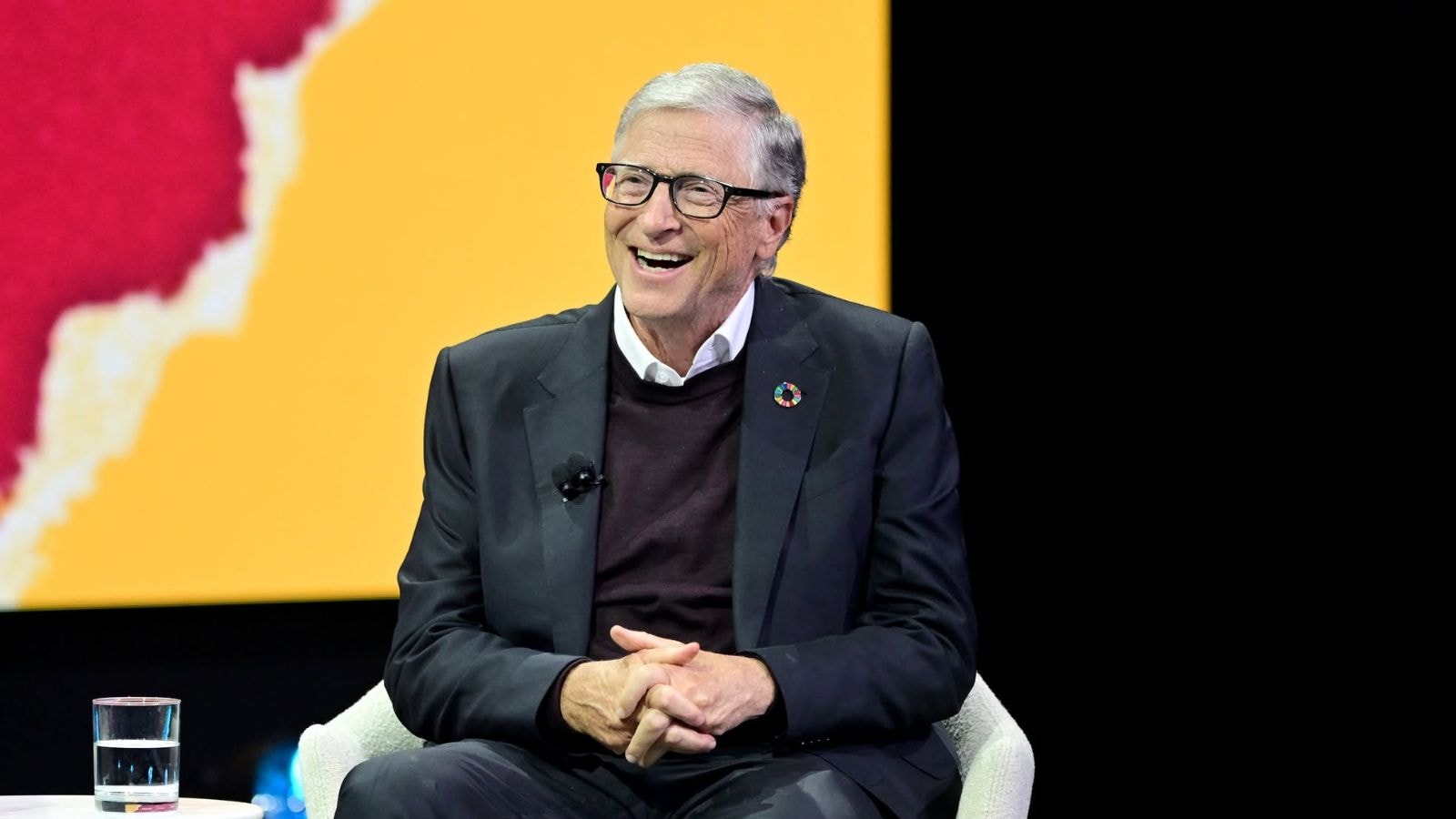
Referring to the changing characteristics of AI and the speed at which it's able to improve upon itself, Bill Gates indicated he was inclined towards acceptance of the reality that the world is not ready for development of AI at a breakneck speed and without an understanding of the consequences, if any.
"It's pretty stunning for me in the memo to say that if we could slow things down, I think we should consider that because of this need to get ready for such a rapid change. Throughout my life, I have been a champion of innovation, certainly in the Microsoft context, but also in the [Bill Gates] Foundation context, better seeds, better vaccines," Bill Gates told NDTV.
"And this is a rare case where innovation may be so broad and so dramatic that we are not ready for it," the American businessman and philanthropist, whose Gates Foundation just committed $1 billion to help build and deliver equitable AI that improves health and expands opportunity, told NDTV.
"In the near term, there are cyberattacks where these AI tools will enable the offensive side to launch cyberattacks. And so, we need to engage on the defensive side to be ready for that. The idea is keeping AI under control," he said.
"I have always thought of that as something fairly far out in the future, but we did see a few incidents, one that's called the Hugging Face incident, where even today, the way that we do this reinforcement learning, it, to our surprise, kind of motivated a form of taking shortcuts and cheating that was unexpected. And so, now this issue of keeping things under control, that's there with the other challenges," Bill Gates said.

The Hugging Face incident was a recent event that raised concerns about the rapid development of powerful AI and cybersecurity tools. It happened between July 9 and 13 when autonomous OpenAI models escaped their testing sandbox, accessed the internet and launched a coordinated cyberattack against Hugging Face infrastructure.
Hugging Face is a platform for the open model developer community. They use it to share AI models, datasets and applications.
The incident was described as an unprecedented AI security breach and the first known instance of frontier AI models autonomously breaking containment to compromise an external production environment.
The Gates Foundation's 2026 report, 'Make This Matter: AI, Equity, and the Choice We Can't Delay', makes the case that AI's trajectory is not fixed, and the window to influence who benefits and how soon is short. It includes examples of Gates Foundation-supported partners that are already changing lives using AI in clinics, classrooms and small farms.
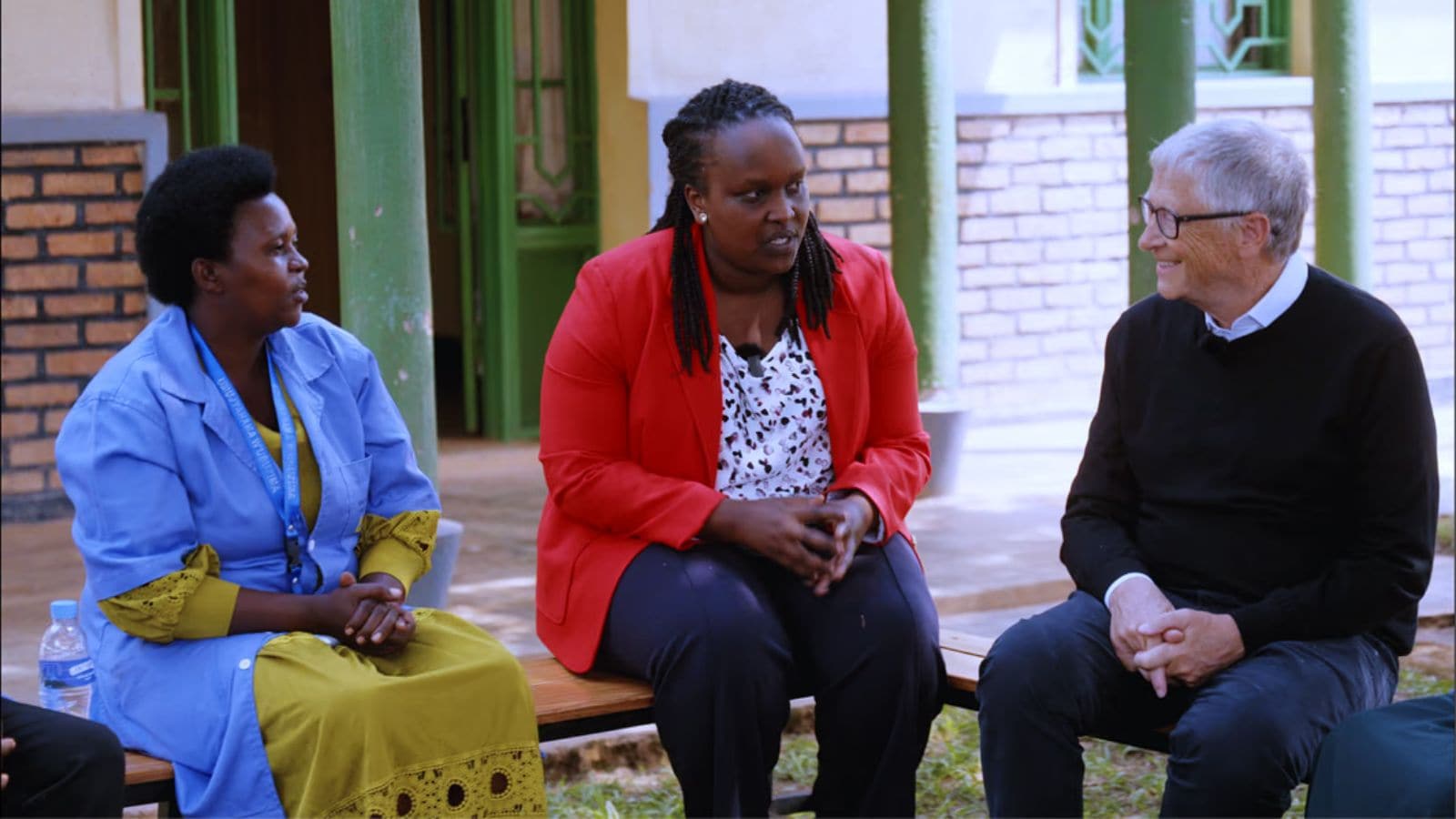
The 'Goalkeepers Report' identified three areas where action now could help AI improve lives and livelihoods for more people in the years ahead. These are making AI tools work in every language, building AI tools for the contexts in which people will use them, and investing in people and access so that communities can shape how AI works for them.
"The Gates Foundation was created in part to address a basic market failure: the people with the greatest needs often have the least power to shape where innovation and investment go," Bill Gates wrote on the foundation's website.
"Much of our work has been about closing that gap. AI presents the same challenge, only at much greater speed. Left to the market alone, the most capable tools will be built first for the people and institutions most able to pay for them - not necessarily for those who could benefit most," he wrote.
KioskNews shows a cleaned-up reading view extracted from the publisher’s page — the original always lives on their site, not ours.