Iran executes 3 more men over January protests, judiciary says
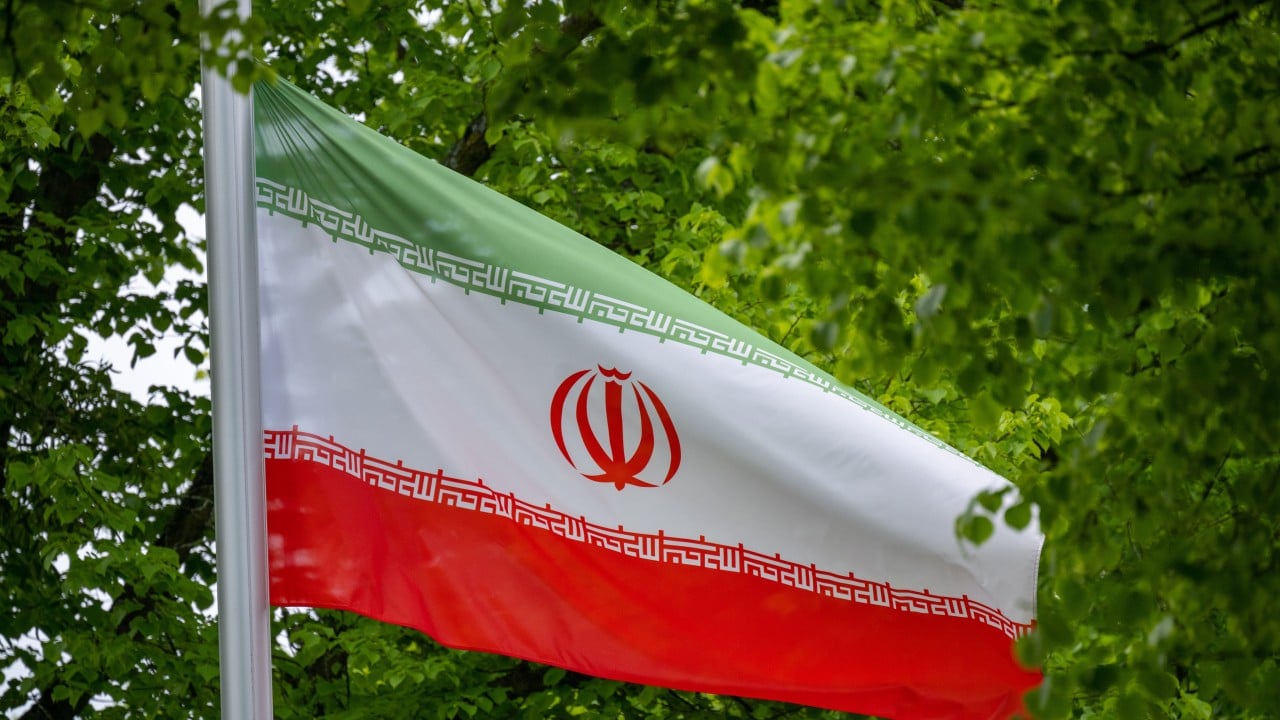
Iranian authorities executed three men on Sunday on charges linked to January 2026 protests, the judiciary said, after what rights groups described as an unfair trial.
Norway-based Iran Human Rights (IHR) said the hangings at dawn of Hassan Divband, Hamid Kazemi and Reza Zanganeh in the city of Karaj outside Tehran brought the number of men hanged over the January protests to at least 39 and warned many more were at risk.
The judiciary’s Mizan news agency said the three had been convicted of carrying out operations on behalf of Israel and the United States by throwing Molotov cocktails and grenades, using bladed weapons and firearms and setting fire to public facilities.
Iran was this winter swept by a wave of protests that peaked on the nights of January 8 and 9 but was put down by authorities in a crackdown that rights groups say left thousands dead.
Karaj, a bustling satellite city of Tehran, saw intense protest activity with images posted on social media showing people shouting slogans against the authorities in the streets.
Other defendants in the case received sentences ranging from five to 10 years in prison, Mizan said.
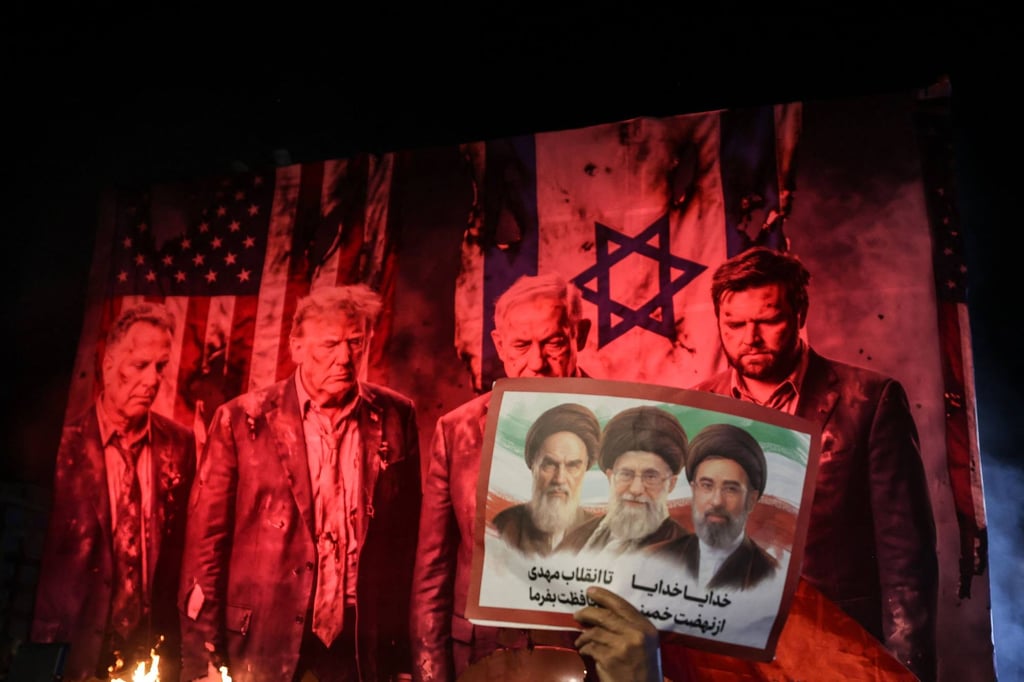
Rights groups have warned that the number of executions in Iran of people deemed to be political prisoners has risen since the start of the war between the Islamic Republic and the US and Israel.
“Like others before them, Hassan Divband, Hamid Kazemi and Reza Zanganeh were deprived of their due process and fair trial rights,” said IHR director Mahmood Amiry Moghaddam.
“Hundreds more, including protesters and those arrested during the war, face the risk of being sentenced to death or having their death sentences carried out,” he added.
IHR said that in a video of the incidents in Karaj broadcast by state television “the protesters’ coerced confessions and testimonies against each other are the only evidence presented”.
Little is known about the defendants in this case but the Norway-based Hengaw rights group said the allegation that Zanganeh, 27, a mechanic specialising in foreign-made cars, had collaborated with Israel “was based solely on his professional activities and previous work-related travel”.
“Throughout his detention, security agencies subjected his family to intense pressure to remain silent,” it added.
KioskNews shows a cleaned-up reading view extracted from the publisher’s page — the original always lives on their site, not ours.