Beautifully preserved buildings seen for first time in decades after drought exposes lost village
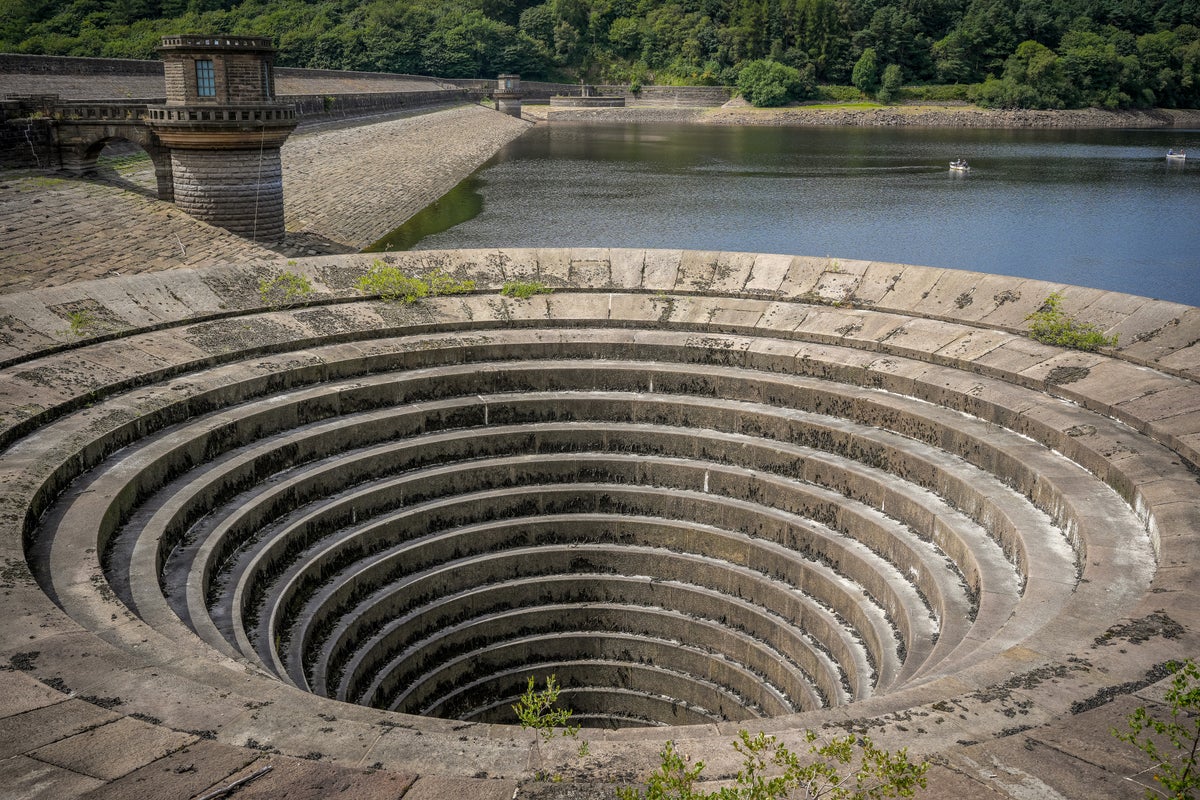
The remains of a flooded Derbyshire village have re-emerged after a prolonged dry spell left local water levels severely depleted.
The historic settlement of Derwent – which was intentionally flooded in the 1940s to make way for the construction of Ladybower Reservoir – has reappeared as regional storage capacity plummeted following months of below-average rainfall.
According to the latest figures, the reservoir's capacity stands at just under 32 per cent following a sustained summer drought across the East Midlands.
The re-emergence of the village’s stone foundations and former structures has drawn visitors to the site, prompting water company officials to issue safety warnings.
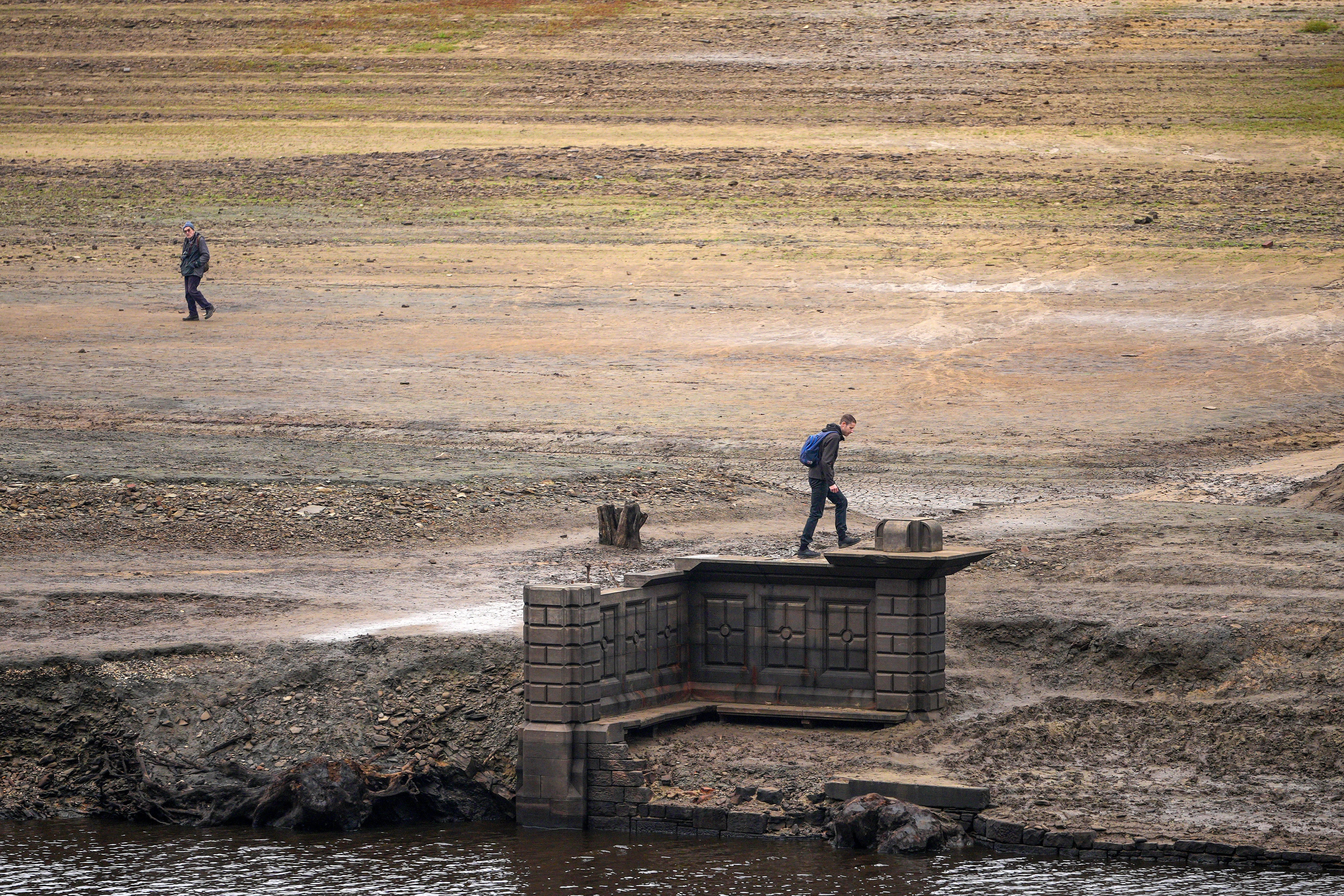
"We are urging people visiting the area to keep to the designated paths," a spokesperson for Severn Trent Water said, warning that the newly exposed reservoir bed is "extremely muddy and unsafe to walk on."
Constructed between 1935 and 1943, Ladybower Reservoir required the flooding of the Derwent Valley and the drowning of two complete communities: Derwent and neighbouring Ashopton.
Dozens of historic limestone cottages, local churches, and ancestral farmhouses were submerged beneath millions of gallons of water despite fierce opposition from local residents at the time.
The massive engineering project was commissioned to supply fresh drinking water to expanding industrial cities including Sheffield, Derby, Nottingham, and Leicester.
The re-appearance of the lost village comes amid widespread water shortages across England following one of the driest April-to-September periods recorded in over a century.
Environment Agency figures show that approximately 82 per cent of England remains in drought conditions, with 18 major reservoir groups operating at under half their normal capacity.
Water managers emphasise that while autumn rainfall will help, full recovery across depleted groundwater reserves and reservoirs will take time.
"We've seen six months of below-average rainfall and above-average temperatures, so reservoir levels will take time to recover," said Doug Clarke, water resources lead at Severn Trent.
"Reservoirs make up around a third of our water supplies, with the rest coming from rivers and groundwater, and our teams are continuing to work around the clock to treat more water and fix leaks at record levels."
Officials continue to urge householders across affected regions to conserve water to help protect remaining reserves heading into the winter months.
KioskNews shows a cleaned-up reading view extracted from the publisher’s page — the original always lives on their site, not ours.