Experts issue flu advice after hospital cases at highest autumn level for years
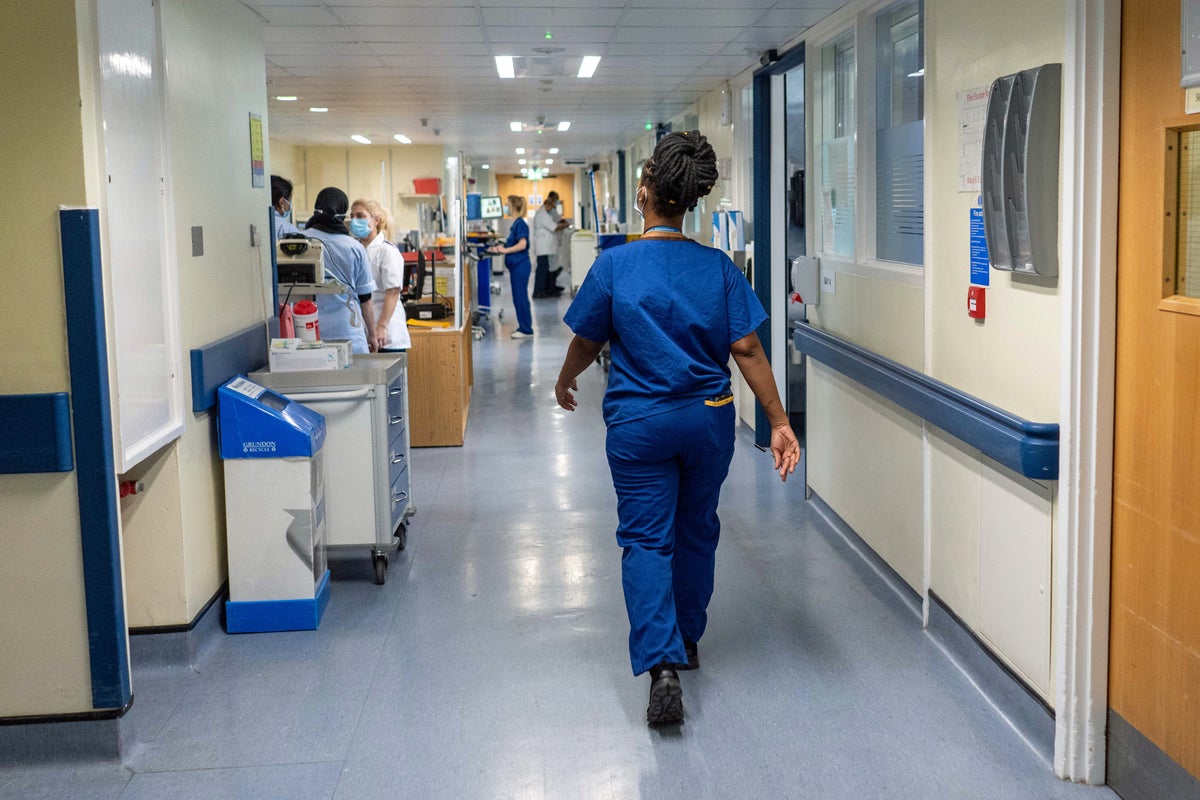
Health experts are urging people to get their flu jabs as hospital admissions hit a “high” level for this time of year.
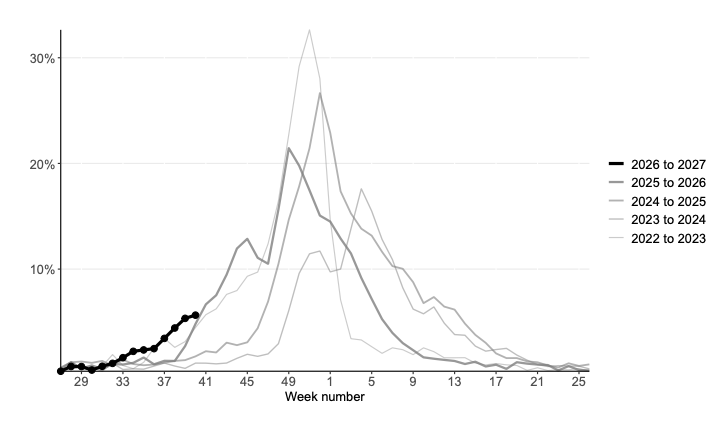
Although flu cases are currently low, hospital admissions in September have been higher than in the same period over the last four years, according to the UK Health Security Agency's (UKHSA) first weekly winter respiratory virus surveillance report.
The early spike is mostly hitting 18- to 24-year-olds, and if the upward trend continues, the country could see an early flu season.
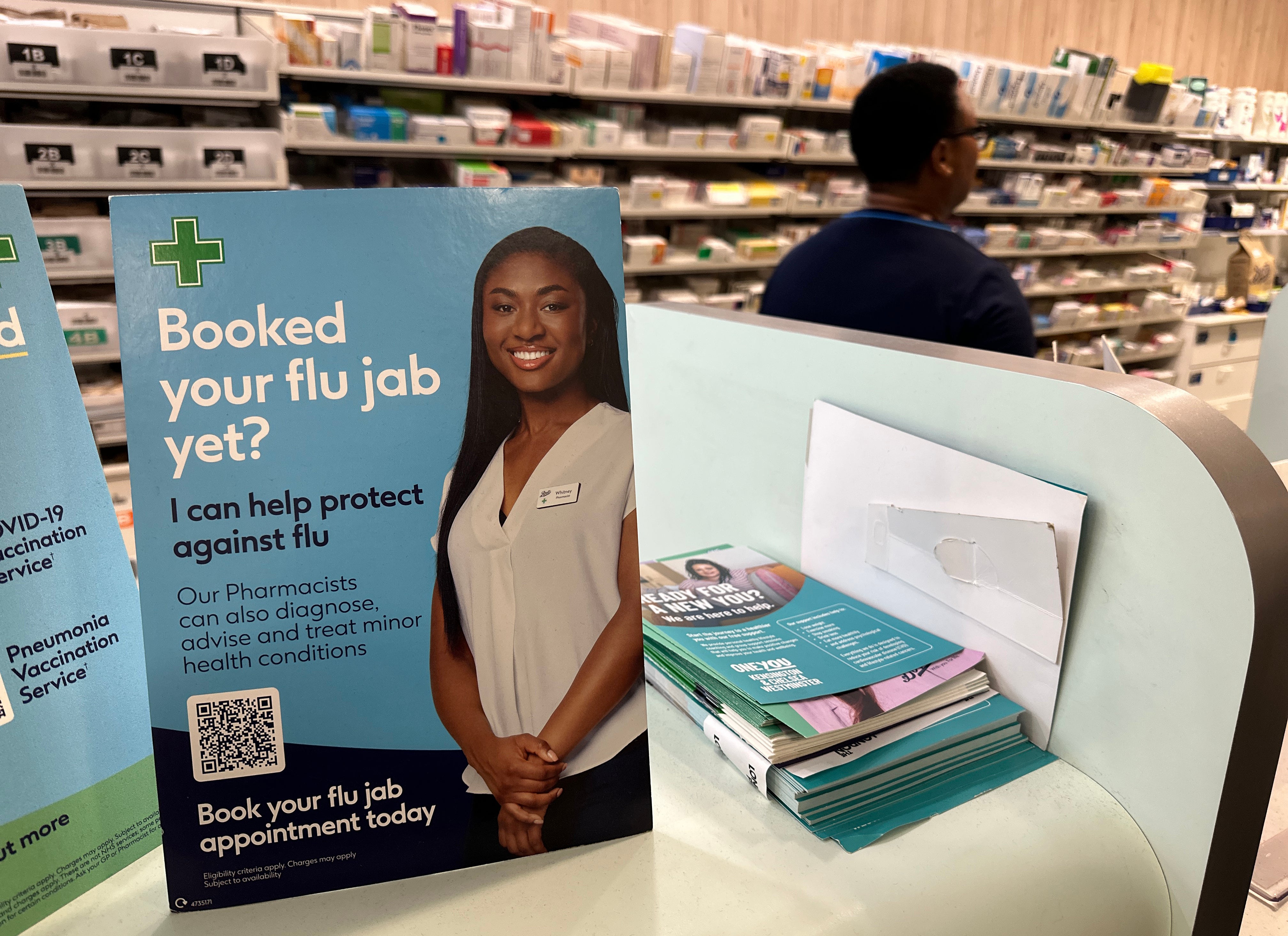
Experts are encouraging those who are eligible to get their flu vaccine to avoid getting seriously ill.
How does it compare to last winter?
UKHSA figures show hospital admissions for flu were 1.97 per 100,000 for the week to 4 October.
For context, hospital admissions in 2025 were at 0.67 per 100,000 and 0.61 per 100,000 in the same week in 2024.
Experts warn the increase in hospital admissions could put added pressure on hospitals this winter.
The NHS national medical director, Professor Frankie Swords, said there were “slightly ominous” signs of winter pressure for the health service.
He told a briefing: “From an NHS perspective, it is very early in the season, but the number of admissions for flu are the highest that I can remember seeing at this time of year, and it’s coincided with just the start of the expected increase in Covid cases in our hospitals.
“But this is coming on the back of the busiest summer we’ve ever had in our emergency departments; we have got very, very busy hospitals.
“So slightly ominous early signs of winter pressure.”
What strains are circulating this year?
So far this flu season, a mix of 2 flu A subtypes, H1N1 and H3N2, have been circulating in England.
Although it’s not yet known which strain will end up dominating this winter, the vaccine will offer broad protection.
That's because the flu vaccine is designed to protect against all three main types of flu: influenza A(H1N1), A(H3N2) and influenza B.
What is driving the rise?
Most cases in September were seen in young people, which could have been caused by young adults returning to college and university.
Dr Hussain Ahmad, hospital doctor and consultant practitioner, said: “Cases of colds, flu and Covid-19 are up early this year as children and young adults have returned to schools and universities, where respiratory viruses spread more easily in classrooms and social settings. Any infections can then pass into households or workplaces and then the wider community.”
But experts warn hospital admissions could increase in older age groups over the winter.
“An early start to the flu season doesn’t always mean a particularly bad year. The fact that most cases are in young adults is a concern for when infections increase in older age groups,” Paul Hunter, professor of medicine at the University of East Anglia, said.
Who should get vaccinated?
The best thing to stay protected from “serious illness” is to get vaccinated, pharmacist and healthcare lawyer Thorrun Govind said.
“If you’re eligible for the flu vaccine, get vaccinated. It is one of the best things you can do to reduce your risk of serious illness from flu,” she said.
“Flu can hit some people much harder than others, particularly older people, pregnant women, young children and people with certain underlying health conditions. For those in one of those groups, it is particularly important to take symptoms seriously.”
While Ms Govind believes the early peak is “something to keep an eye on”, she explained it is too early to tell and that the early rise in cases “doesn’t automatically mean we are going to have a worse flu season.”
Dr Ahmad also stressed that getting the flu jab will help to reduce the risk of sickness.
He said: “To reduce your risk of getting sick, get your flu vaccine if you're eligible and offered it and also check if you qualify for the autumn Covid vaccine. Keep washing your hands and open windows for ventilation when possible. Avoid close contact if you're unwell and get plenty of sleep while sticking to a balanced diet.”
People over 65, pregnant women, care home residents, and those who are clinically vulnerable can now book vaccination appointments for flu and Covid-19 jabs.
Eligible adults can arrange vaccination through their GP surgery or a participating pharmacy, with online booking also available through the NHS website and NHS app.
KioskNews shows a cleaned-up reading view extracted from the publisher’s page — the original always lives on their site, not ours.