Why Citi is betting on China’s 30-year bonds as US Treasury yields climb
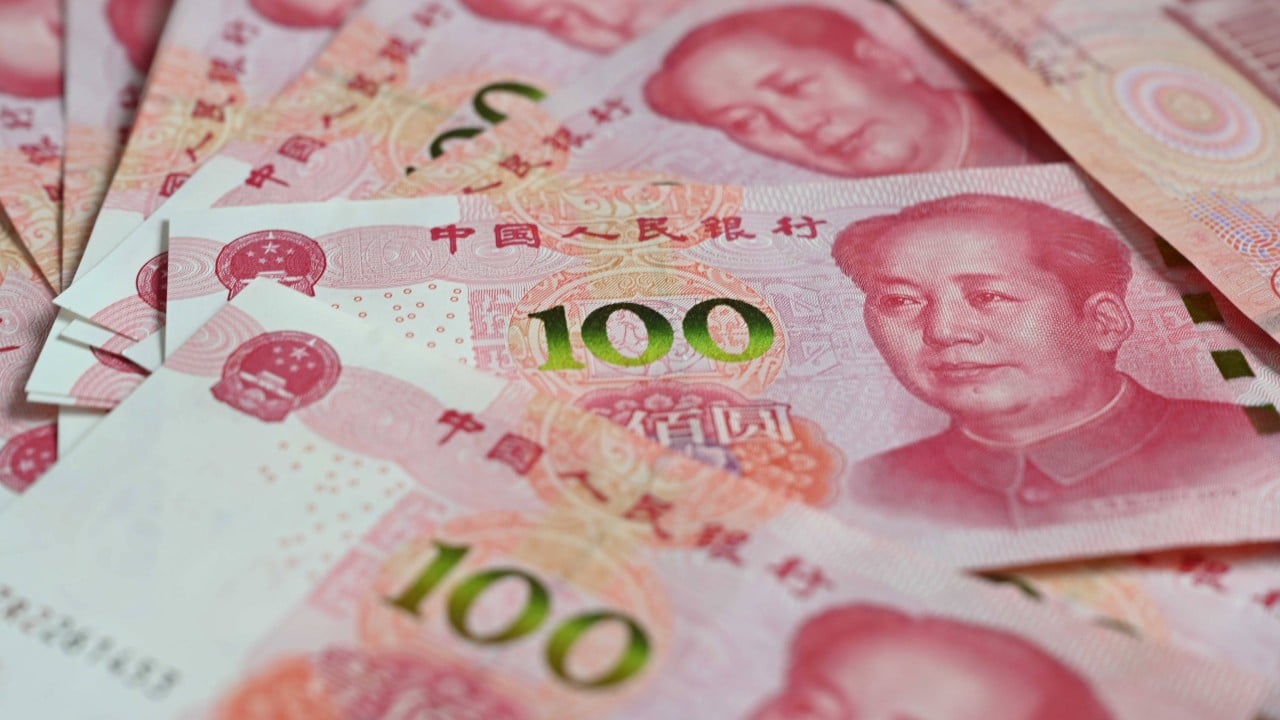
Citi Research has turned bullish on China’s 30-year government bonds, projecting that yields will fall further even as US Treasury yields climb.
In a Monday research note, analysts at the Wall Street bank recommended that investors go long on China’s 30-year sovereign debt, saying they expected the yield to fall towards 1.8 per cent while the 10-year yield could edge towards 1.6 per cent.
The analysts attributed the outlook to easing supply pressures and improved market dynamics for China’s ultra-long government bonds heading into the fourth quarter.
“China’s recently announced 360-billion-yuan [US$53.7 billion] recapitalisation plan for some major financial institutions may boost duration demand, especially for the ultra-long end,” wrote Rohit Garg, Singapore-based head of EM Asia Rates and FX Strategy at Citi, in the report.
On Tuesday, the yield on China’s 30-year special treasury bond reached a daily low of 2.11 per cent, while the 10-year government bond traded at 1.68 per cent, near a one-year low.
In early September, Beijing rolled out a 360-billion-yuan capital injection into eight state-owned financial institutions, with 300 billion yuan from the Ministry of Finance and 60 billion yuan from the state tobacco monopoly.
Citi analysts said there was room for China’s 10-year yield to slip towards 1.6 per cent, citing weak credit demand that limits upward pressure on yields. Continued bond purchases by the People’s Bank of China, the country’s central bank, are expected to provide an additional source of structural demand.
According to the report, China had issued 90 per cent of its planned 1.3 trillion yuan in ultra-long special treasury bonds for the year by mid-September, with the remaining quota likely to be issued in October.
But the analysts cautioned that risks remain, including tougher regulatory constraints that could limit a rally in ultra-long bonds and aggressive new policy support that could trigger large back-end selloffs.
China’s credit data also pointed to subdued credit activity in August. New renminbi loans totalled just 60 billion yuan, while total social financing added 1.66 trillion yuan, both missing expectations, according to the report.
“Weak domestic demand and subdued credit creation should continue to weigh on the growth outlook and keep duration demand well supported, in our view,” Garg said.
Meanwhile, China reduced its holdings of US Treasuries to an 18-year low in July, falling to US$618 billion from US$633.4 billion in June, according to data from the US Treasury Department. Overall holdings by foreign countries also dropped for a second straight month amid growing concerns over the sustainability of American government debt.
The US 10-year Treasury yield hit 5.25 per cent on Tuesday, while the 30-year government bond yield traded at 5.56 per cent, the highest level since 2004.
KioskNews shows a cleaned-up reading view extracted from the publisher’s page — the original always lives on their site, not ours.