AIPAC halts endorsements and direct contributions to candidates
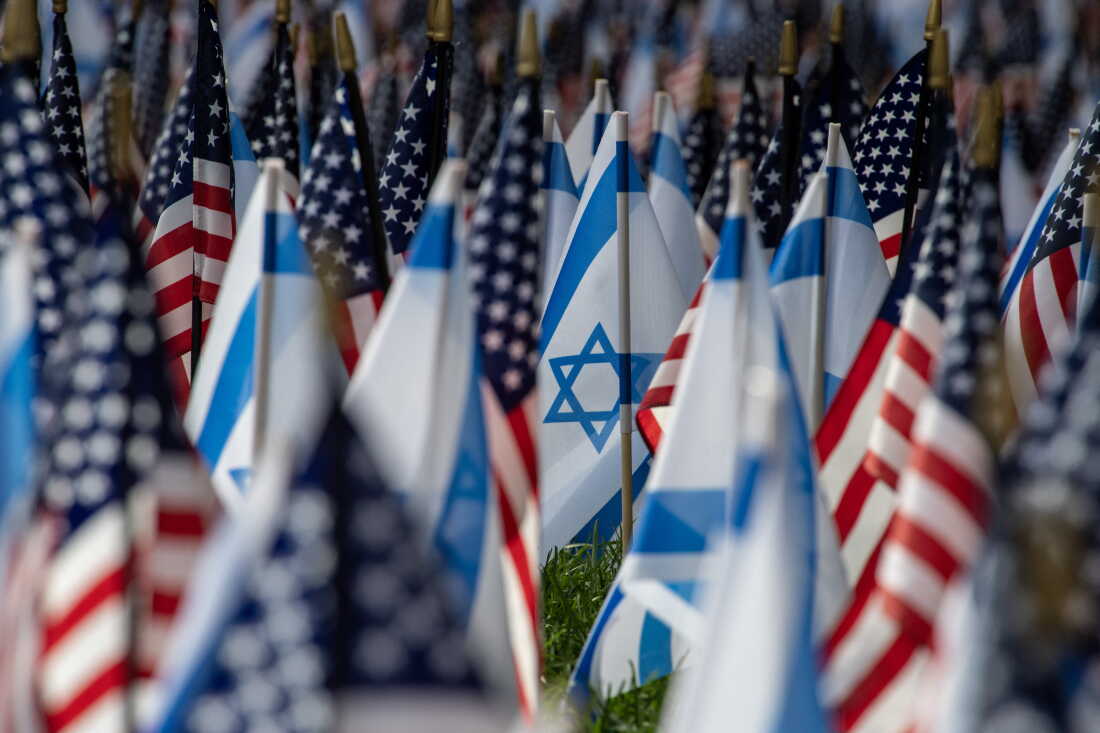
In this file photo from 2023, U.S. and Israeli flags fill a field in Boston, Massachusetts. Joseph Prezioso/AFP via Getty Images hide caption
Joseph Prezioso/AFP via Getty Images
The pro-Israel political organization AIPAC, or the American Israel Public Affairs Committee, announced on Wednesday that it will no longer issue endorsements, make direct PAC contributions or earmark funds for candidates.
A longtime influential lobbying group, AIPAC started its direct political involvement five years ago. Since then, particularly this midterm election cycle, AIPAC has been met with mounting resistance. The group has faced criticism over its stances on various issues, including the wars in Gaza and Iran.
Candidates endorsed by AIPAC have also faced tough opposition from both the political right and the political left for accepting the organization's support and financial contributions as public opinion on the U.S. relationship with Israel has shifted. In order to tame the criticism, some AIPAC-endorsed candidates said they won't accept any money from the organization.
AIPAC first announced the changes in a letter to members, stating "the challenges we are confronting will continue to grow in the years ahead." In the letter, AIPAC said it wouldn't stop funneling money to candidates that align with the group's mission by mobilizing individual donors.
"We will prioritize increasing direct, organized contributions from individual Americans to candidates—expanding upon our current efforts—and maximizing the emerging political fundraising tools," the letter said.
The letter added that the 2028 cycle will "demand an even stronger commitment by our activists to pro-Israel politics." As a result, the group plans to increase support "for the Republicans and Democrats who are advancing policies that strengthen America's alliance with Israel and standing up against anti-Israel legislation."
A spokesperson for AIPAC did not immediately return NPR's request for comment.
AIPAC contributed nearly $25 million to candidates and political committees in 2026 through Sept. 30, according to FEC filings. Its affiliated super PAC United Democracy Project contributed $13 million to candidates and political committees and spent an additional $53.5 million in independent expenditures. It's unclear what the role of United Democracy Project will be moving forward.
In recent days, though, several of its individual independent expenditures are being used to campaign against Abdul El-Sayed, the Democratic nominee for U.S. Senate in Michigan. AIPAC also spent heavily to campaign against El-Sayed in the primary, backing his opponent, Rep. Haley Stevens. The Michigan Senate contest is just one of the high-profile races where AIPAC has spent in favor of a pro-Israel politician or in opposition to someone the organization sees as less favorable to Israel.
KioskNews shows a cleaned-up reading view extracted from the publisher’s page — the original always lives on their site, not ours.