What killed Rudraksh, Dollar, Star, and a baby? Horse owners want an answer
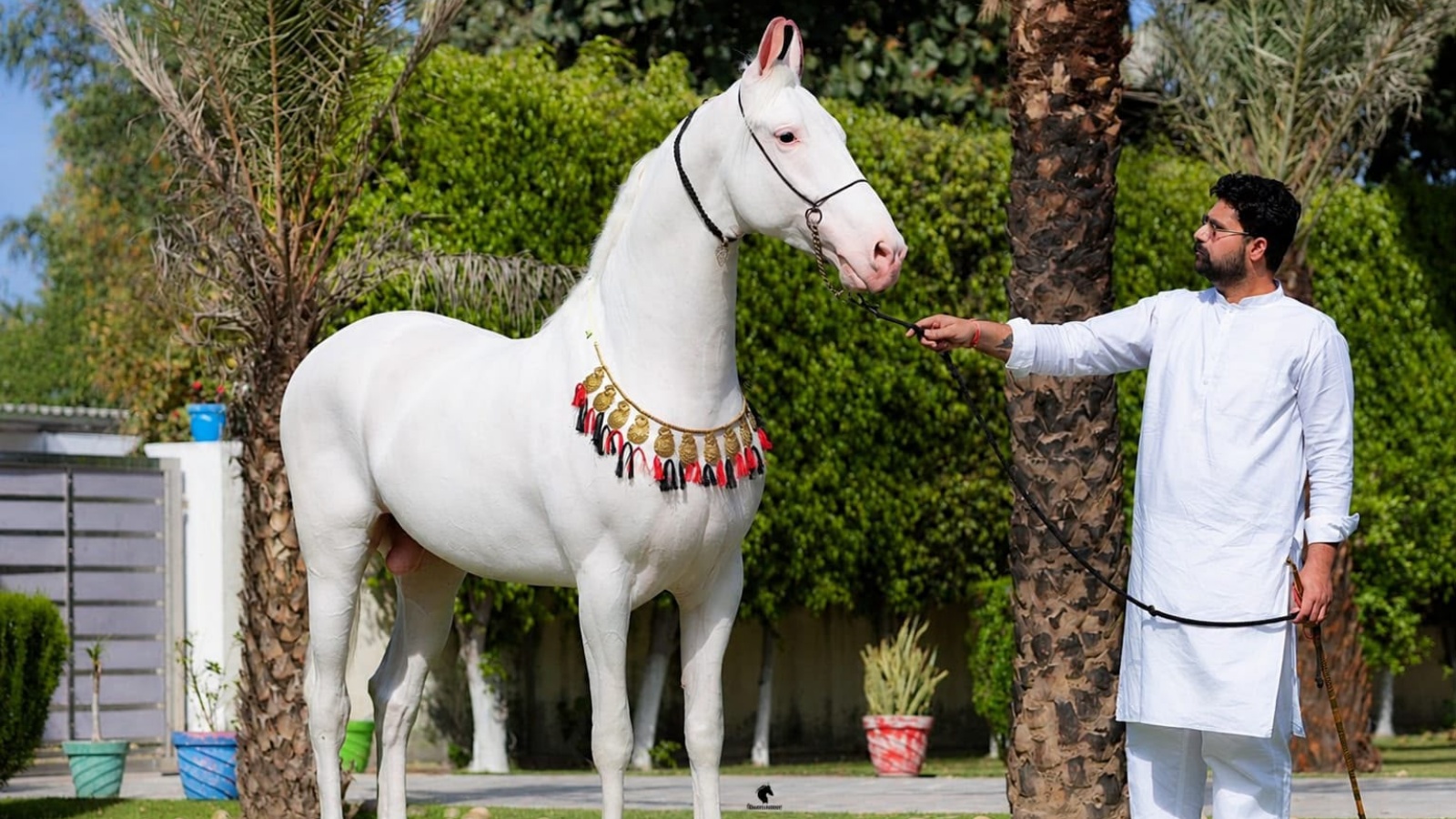
“Rudraksh and Dollar were not just our horses, they were our sons. We will keep fighting till their murderers are lawfully punished,” says Davinder Singh, from Roran Wala Khurd village of Amritsar, breaking down.
“The government needs to see how painfully they died, gasping and struggling for hours. Their kidneys were gone within days,” he adds.
Davinder’s two stallions – who died between August 4 and 7 – were among at least seven such elite breed horses / mares who have died since July in Punjab and Haryana after developing symptoms of severe renal dysfunction following alleged consumption of feed manufactured by Ashav Feeds, a private company based in Ludhiana’s Doraha.
While five of the horses died in Punjab, two deaths were in Haryana, with autopsies performed following police complaints by the owners. The owners of the dead horses came in touch with each other via social media after Davinder uploaded a video showing his dead horses and a packet of the Ashav Feeds, saying he wanted to spread awareness among other horse owners.
The owners in Punjab say they filed multiple representations to the Director, Animal Husbandry Department, demanding a probe. Since no action was taken, they moved a petition in the Punjab and Haryana High Court demanding “a fair, impartial, independent and time-bound inquiry” into the death of the horses. They have alleged that the feed was “toxic and adulterated”, and have claimed losses running into crores since the horses belonged to prized breeding lines.
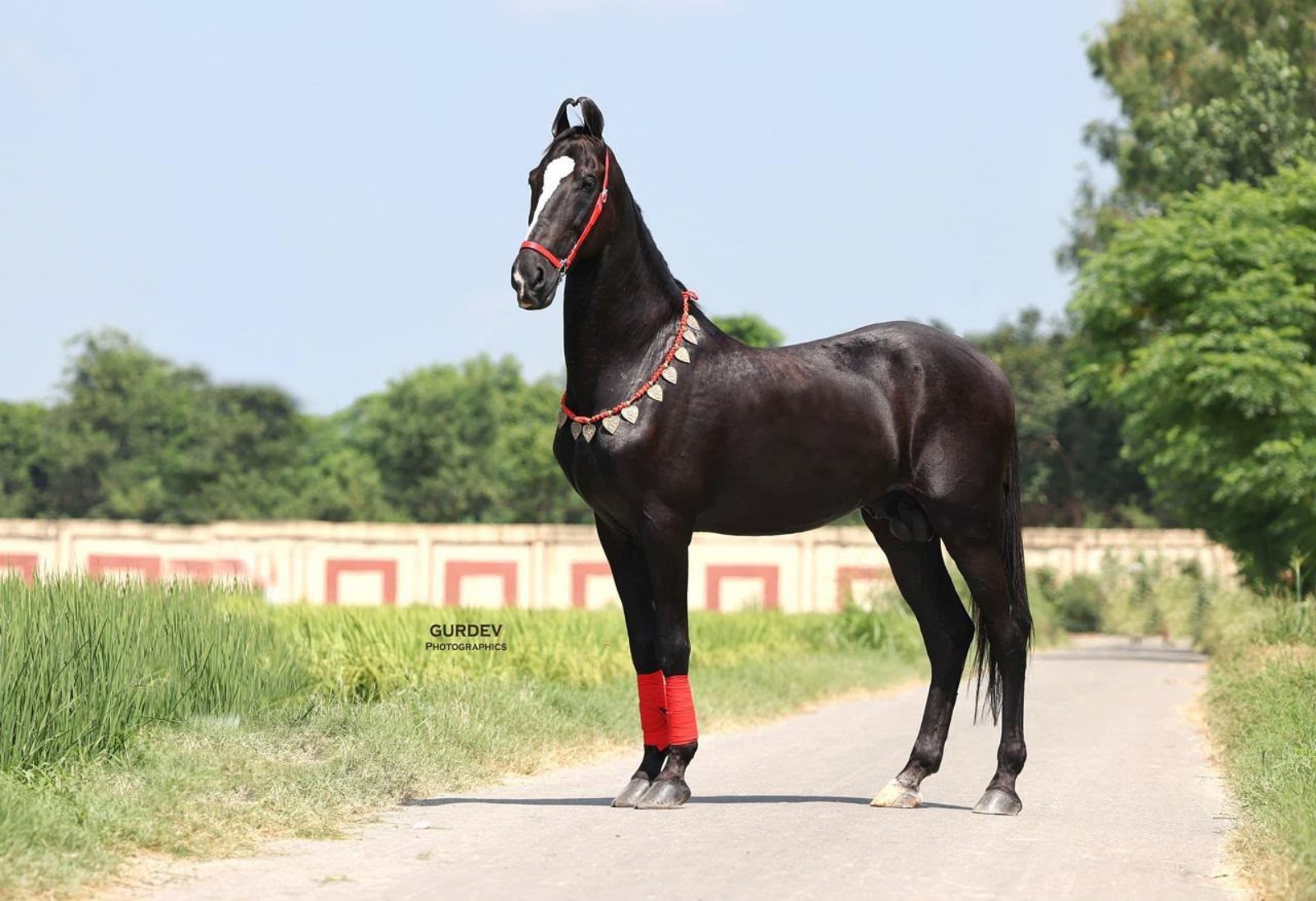 Rudraksh, died in Amritsar. (Source: Express Photo)
Last month, a High Court Bench headed by Justice Tribhuvan Dahiya ordered the Punjab Animal Husbandry Department Director to consider the demands of the horse owners, decide their pending representation and pass a detailed order within two months. If this was not done, the officer would have to pay a fine, advocate Karanbir Singh Randhawa, the counsel for the horse owners, said.
Ashav Feeds, a product of Natural Animal Diets, is among the eight respondents in the case, apart from the states of Punjab and Haryana, and their respective DGPs.
Story continues below this ad
Denying the claims of the horse owners, Ashav Feeds proprietor Siddharth Partap Bector said they are following all the norms prescribed by the government, and the feed may have got “adulterated” once it left the factory.
“We are ready to fully cooperate with the probe. They (the owners) should first prove their claims that our feed had steroids or toxins. We are ready to get samples from our factory tested. How are we responsible if someone injects or adulterates our product once it is out of the factory?” Bector said.
Paramdeep Singh Walia, Director, Animal Husbandry Department, said: “The autopsy reports of the horses are awaited to ascertain the cause of the deaths. The reports of feed samples sent for testing are also awaited. We will follow the High Court order once we receive the reports.”
Horses of elite breeds are raised by families in Punjab and Haryana as both a hobby, a status symbol, and for business, with breeding being the most profitable. Those horses which have won titles at championships can fetch prices running into crores.
Story continues below this ad
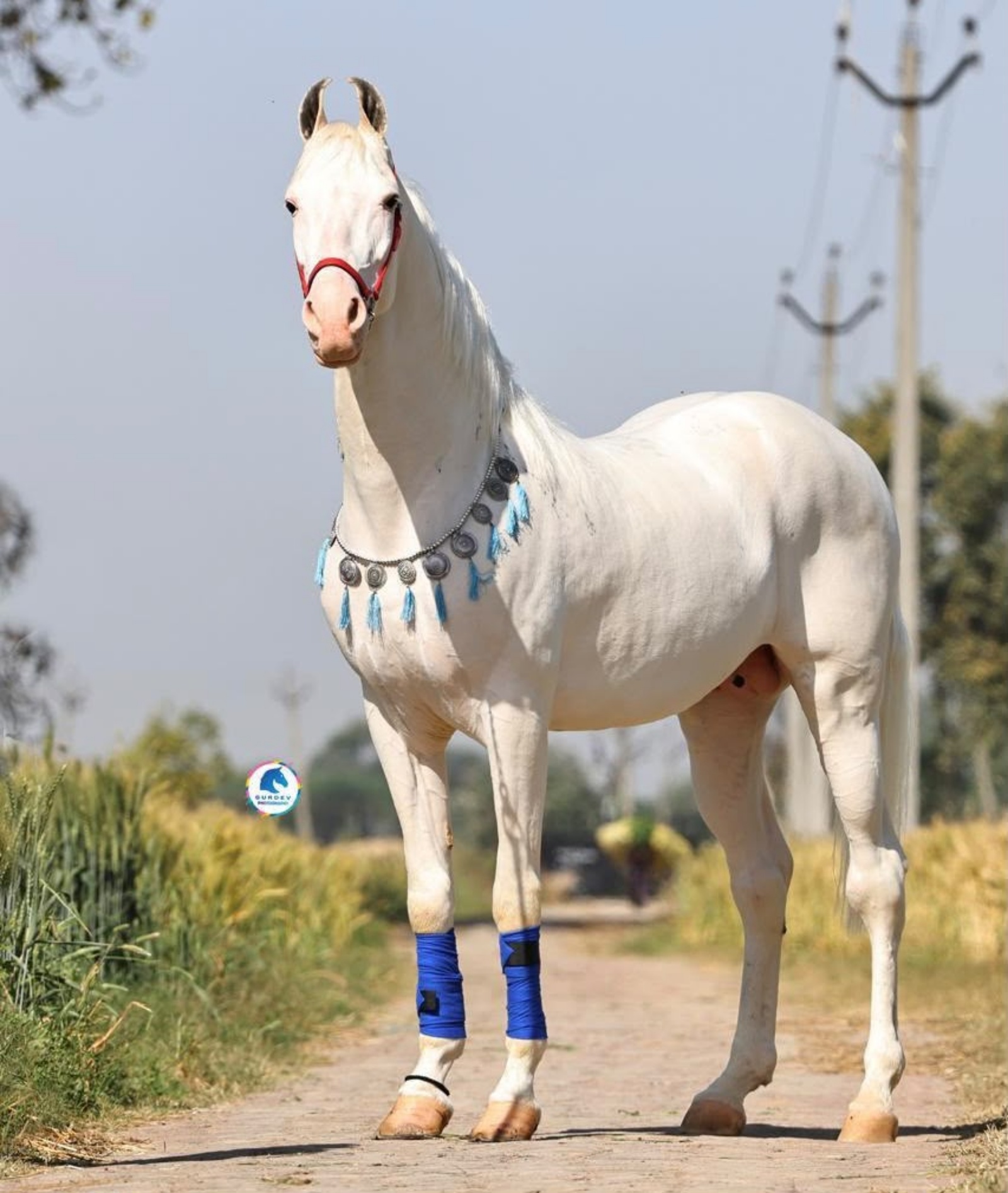 Dollar, died in Amritsar. (Source: Express Photo)
Davinder says his father Baldev Singh, 86, is yet to recover from the loss of their two prized animals. “Rudraksh was 14 and Dollar just 5. Rudraksh showed high serum creatinine levels, including readings of approximately 8.30 mg/dL (milligrams per decilitre), 10.36 mg/dL and 10.45 mg/dL prior to its death, against the normal range of 0.5 to 1.4 mg/dL. Dollar showed creatinine of 10.36 mg/dL which rose to 10.45 mg/dL. We are raising this issue at the government level so that no one suffers a similar loss,” says Davinder.
Rudraksh was an elite Marwari breed horse, with market value at least Rs 1.50 crore, while Dollar was a Samundar Nukra breed, priced at least Rs 40 lakh, Davinder says, adding: “We were feeding a particular feed to only these two horses as they were special. The rest of our horses are fine.”
Nardeep Singh alias Navi Shergill, from Moranwali village of Sunam in Punjab’s Sangrur district, who is one of the petitioners, lost a filly aged just 3 months, and Star, an elite Nukra breed horse, on August 11 and September 20, respectively. “I was yet to name the filly, and we got her ‘Ashav Junior Growth’ feed (meant for young horses). We didn’t know we were killing her. Her lab reports revealed extreme renal dysfunction… I bought Star for Rs 50 lakh, and it was dear to me like my own child. I sold my land and my mother’s jewellery to get Star… I have not had one full night of sleep since it died,” Nardeep says.
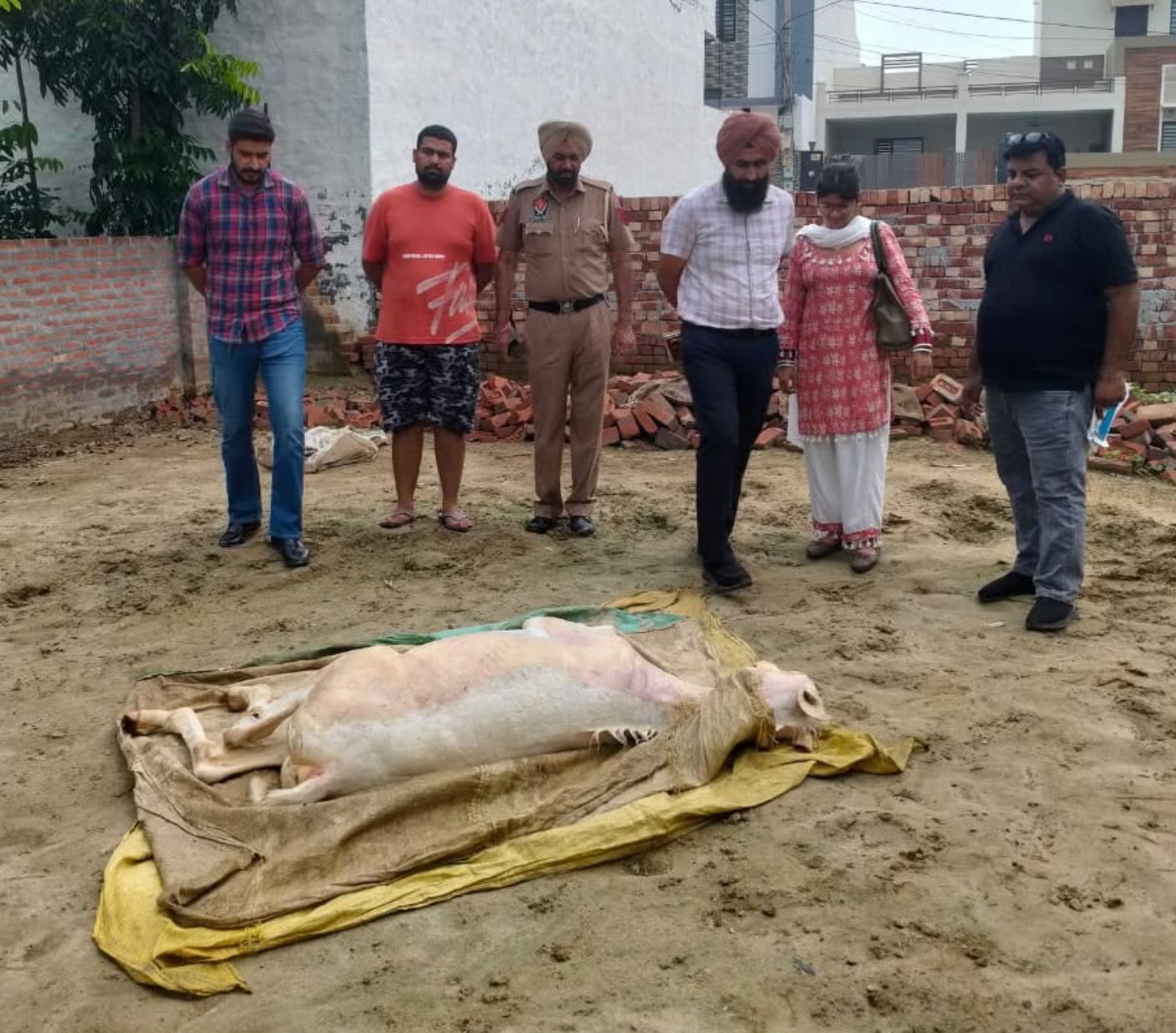 Baby filly, died in Sangrur. (Source: Express Photo)
He adds: “My livelihood is gone. We charged a fee for mating mares with Star. There was huge demand due to his elite lineage.” As per Nardeep, Star descended from the same lineage as Betaab, a stallion associated in these parts with superstar Salman Khan.
Story continues below this ad
He came to know of Ashav Feeds via YouTube advertisements and the video put up by Davinder, Nardeep says. “I saw the name of the company on the feed packet Davinder showed, and I was shocked. My filly had died the same as Davinder’s horses.”
Later, he sent the feed for testing by experts from Guru Angad Dev Veterinary and Animal Sciences University, Ludhiana. As per the expert report, the feed samples had aflatoxin levels of 62 ppb (parts per billion), instead of the ideal 20 or lower. “Aflatoxins are a family of highly fatal toxins, posing severe risk to both humans and animals,” Nardeep says.
A senior scientist from the university’s Feed and Fodder Analytical Wing, who was involved in the testing process but does not want to be named, said their tests had revealed the high toxin levels. “Aflatoxin in excess weakens immunity and can affect the liver. The permissible limit in animal feed is 20.”
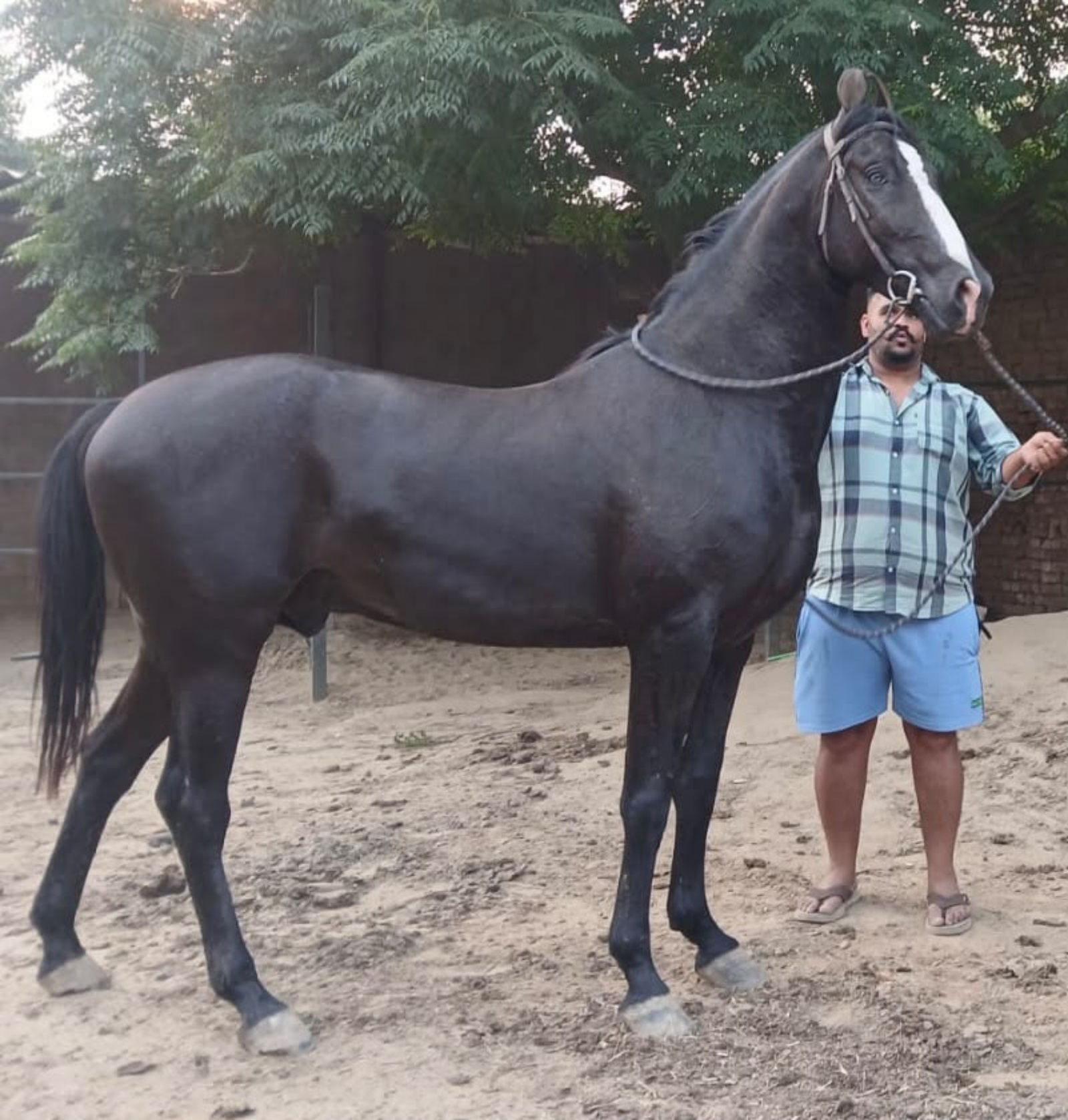 Shan-e-Punjab, died in Ludhiana. (Source: Express Photo)
Amrinder Singh from Dalla village in Ludhiana district says his champion breed Marwari horse ‘Shan-e-Punjab’, aged 5, died on August 10. “I started giving him Ashav Feeds only on August 2… He developed pains and high fever on August 9. He was irritated, banged his head on walls, gasped for breath, and then collapsed. Despite our best efforts, we couldn’t save him,” Amrinder says.
Story continues below this ad
Demanding “strictest possible action” against Ashav Feeds, Amrinder says: “My ‘Shan-e-Punjab’ was a four-time champion at national competitions. Saade ghar da mahaul khraab ho jaanda hai halley vi jadon ohdi gall hundi hai (Even now everyone in our family gets depressed when he is mentioned),” Amrinder says, adding that he had to send away his distraught six-year-old daughter to her maternal grandparents’ house.
Ranjit Singh from Musa Khera village of Fatehabad lost his two mares in July this year. Both were pregnant at the time. “We gave them feed of Ashav and both showed similar patterns of renal failure. Rani, 7, was a Nukri and Noori, 5, was a Marwari,” Ranjit says.
KioskNews shows a cleaned-up reading view extracted from the publisher’s page — the original always lives on their site, not ours.