Air Force crash revives debate on Philippine military’s modernisation limits
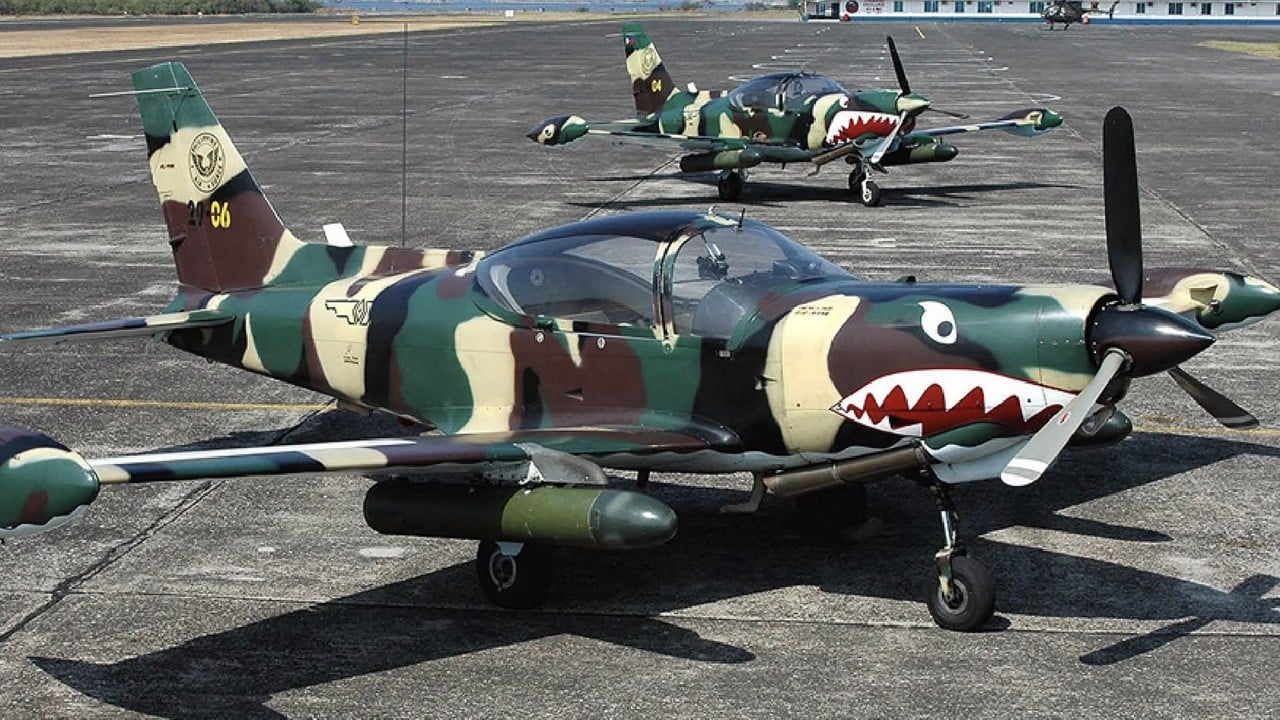
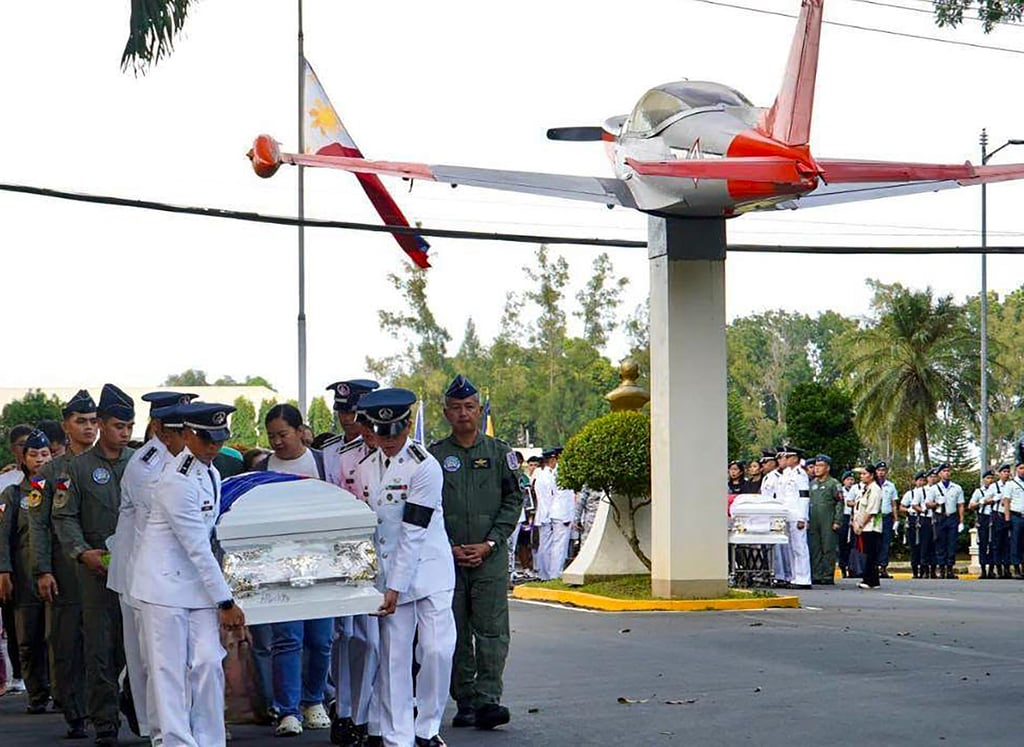
The collision of two Philippine Air Force training aircraft that killed four pilots has raised questions about whether the service’s training, maintenance and safety systems can keep pace with Manila’s ambitions to acquire more advanced combat aircraft.
The crash, which occurred during a fly-by rehearsal at Fernando Air Base in Lipa City, Batangas province, south of Manila, on Friday has renewed calls for a comprehensive review of the Air Force’s ageing fleet, pilot instruction, maintenance practices and operational safety.
The air force temporarily grounded all SF-260 aircraft as a precautionary safety measure.
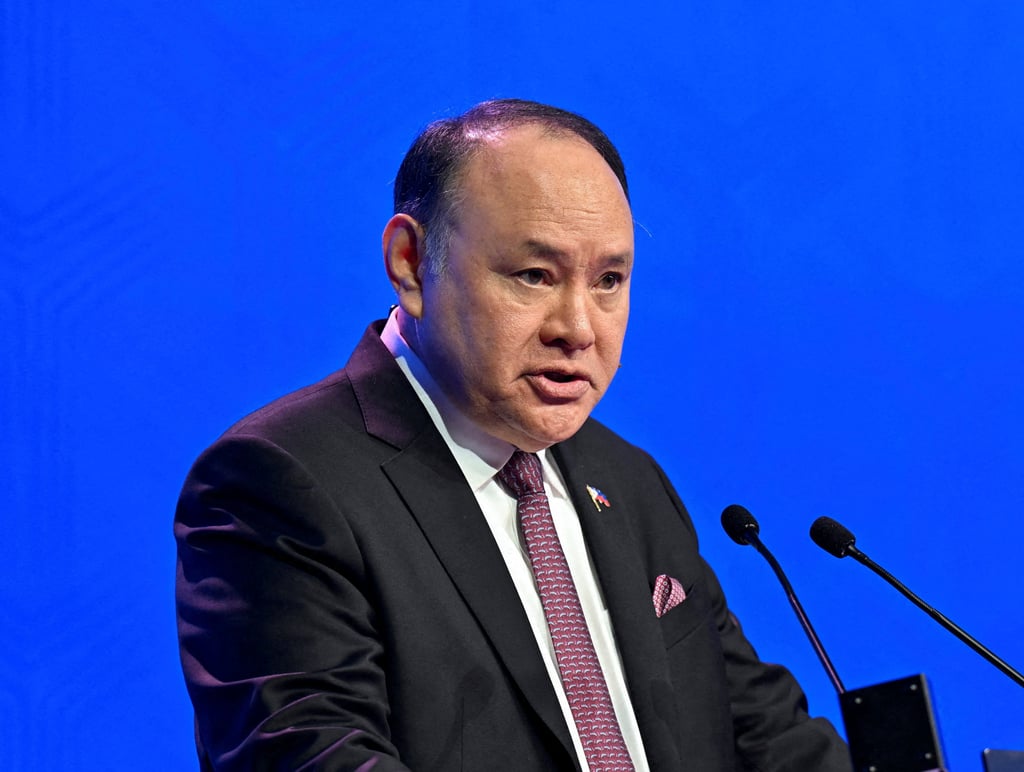
Defence chief Gilberto Teodoro Jnr, acting on an order from President Ferdinand Marcos Jnr, called for an investigation into the incident, noting that it was the third such occurrence since 2023 and raising the possibility of a systemic problem.
Teodoro said investigators would examine maintenance records, preserve salvageable aircraft parts, review the pilots’ past performance and conduct toxicology testing if samples remained available.
It was the latest in a series of fatal accidents involving that aircraft type. An SF-260 crash in Benguet killed two pilots in May, while another in Bataan left two aviators dead in 2023.
Widening gap
The accidents have highlighted what experts describe as a widening gap between the Philippines’ ambitions to modernise its air force and its capacity to sustain that transformation over the long term.
Since launching its military modernisation programme in 2013, Manila has sought to rebuild capabilities eroded by years of underinvestment, acquiring more advanced aircraft, helicopters, transport planes and air-defence systems.
In 2024, Marcos approved a revised phase of the programme, known as Re-Horizon 3, which envisaged about US$35 billion in spending over the following decade.
The effort includes plans to acquire more advanced fighter jets, with South Korea’s KF-21 among the candidates, although no contract has been signed. Marcos has presented the wider push as part of a drive towards a more self-reliant defence posture and reduced dependence on foreign suppliers.
But acquiring new aircraft is only part of the challenge. The air force must also ensure it could train pilots and maintain its fleet as it took on more sophisticated capabilities, said Justin Kyle Malarayap, a defence analyst and visiting assistant professor at Arellano University in Manila.
That meant upgrading pilot training alongside the fleet, as the service did when it introduced the F-5A/B jets, Malarayap said. “This would be the case should the Philippines acquire the KF-21, F-16 C/D Block 72, or Gripen, as most of their packages already include pilot retraining and maintenance pipelines.”
However, the SF-260 “has been pushed beyond its limit”, Malarayap said, noting that variants of the aircraft had been used for counter-insurgency missions that were beyond its primary role as a trainer.
Budget constraints repeatedly forced the air force to use aircraft for missions beyond their intended roles, which accelerated wear and tear, increased maintenance demands and reduced the number of aircraft available for operations, he said.
Competing demands on the defence budget also delayed purchases of newer aircraft and constrained pilot training, Malarayap added.
Arnaud Leveau, a geopolitics professor at Paris Dauphine University, said the Philippines’ training infrastructure remained relatively limited compared with that of some Southeast Asian neighbours, particularly in bridging basic flying and advanced jet operations.
Indonesia and Thailand, for example, invested in more diversified training systems, including modern turboprop and advanced jet trainers, he said.
“These provide a more progressive pathway towards operating modern combat aircraft. The Philippines has made progress in rebuilding its air combat capabilities, but its training system needs to catch up with its procurement ambitions,” he said.
Leveau cautioned against permanently grounding the SF-260 fleet before investigators established the causes of the latest accidents.
“That would risk confusing the age of an aircraft design with its actual airworthiness. However, this is an appropriate moment to review the long-term future of the fleet and consider a phased replacement programme,” he said.
The ongoing investigation is examining whether shortcomings in training or flight planning contributed to the latest crash.
Speaking to reporters a day after the accident, Teodoro said investigators would examine administrative procedures, flight planning, and the training, attitude and aptitude of student and instructor pilots.
Budget constraints and institutional reform
Malarayap said the Philippines’ phased military modernisation programme had limited the air force’s ability to respond to emerging needs, including the purchase of advanced fighters and the support systems required to operate them.
Allocating funds through a rigid pipeline could restrict spending on urgent capabilities, while proposals from Sweden, the United States and South Korea had faced delays partly because packages including logistics support could exceed the air force’s budget, Malarayap said.
While the three fatal accidents involving the same aircraft family over a relatively short period warranted closer scrutiny, Leveau cautioned against assuming a common cause.
“We need to be careful. The latest accident appears to have involved a mid-air collision, which is not necessarily related to the age or mechanical condition of the aircraft. Different accidents can have very different causes,” he said.
“What matters is whether the [air force] has the institutional capacity to identify weaknesses, learn from previous incidents and introduce effective corrective measures. There is a distinction between an individual accident and a systemic problem.”
As the Philippines acquired more sophisticated aircraft, it also had an opportunity to overhaul pilot training, Leveau said. That should include modern training platforms, flight simulators, stronger maintenance support and a more structured progression from basic flying to advanced combat operations.
To support those changes, Manila could build on its defence ties with South Korea while expanding cooperation with European countries in pilot training, aviation safety, maintenance standards and simulation technology, Leveau said.
He pointed to France’s experience in integrating military pilot training, operational preparation and technical support, which could benefit the Philippines without requiring it to purchase French combat aircraft.
Leveau stressed that such cooperation should form part of a broader institutional effort.
“For me, the broader issue is one of institutional maturity. As an air force becomes more technologically sophisticated, its procedures, safety standards and organisational culture must evolve accordingly,” he said.
KioskNews shows a cleaned-up reading view extracted from the publisher’s page — the original always lives on their site, not ours.