Scale back on hake and coley, seafood charity tells shoppers
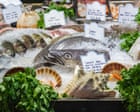
UK shoppers have previously been urged to avoid UK-caught cod and to buy European hake or coley instead – but now these fish are in trouble, too.
The Marine Conservation Society (MCS), an environmental charity, publishes its Good Fish Guide to help consumers and businesses make sustainable seafood choices. It uses a traffic-light system to rate seafood according to the health of fish stocks and environmental impact.
On Wednesday, the MCS downgraded the ratings for European hake caught in the North Sea, Celtic Seas, or Bay of Biscay from green to amber owing to declining stocks and increased fishing pressure.
Meanwhile, the rating on coley caught around the UK (North Sea, West of Scotland, Rockall and Skagerrak) has fallen from amber to red – the worst rating – meaning it is a “fish to avoid”. Of the 10 coley fisheries rated by the guide, two are still green while the other eight are amber.
Kerry Lyne, the Good Fish Guide manager, said the “status of fish stocks are continuously changing” and a “fish that was a good choice a few years ago is not necessarily a good choice everywhere today”.
Most of the seafood consumed in the UK is made up of just a few different species, known as the big five: cod, haddock, salmon, tuna and prawns. This puts a lot of pressure on a handful of wild stocks.
Cod populations have been in decline since 2015. The main cause is overfishing, although changing sea temperatures and other ecosystem pressures have affected breeding and juvenile survival.
“The best thing we can all do if we eat seafood is diversify our seafood choices and avoid those most under threat,” Lyne added.
With that in mind, the charity has suggested wild-caught sea bass from around the UK as a more ocean-friendly alternative to cod. Similar to cod, sea bass is a mild white fish with a flaky texture that can be swapped like-for-like in any recipe.
The guide is updated twice a year and of the 727 ratings, the latest review has 29 downgrades and 11 upgrades.
On the good news front, UK Atlantic bluefin tuna, which has shown huge signs of a population recovery, has a brand new green rating. Chris Graham, the charity’s head of ocean regeneration and sustainable seafood, said one of the factors behind the resurgence was better fisheries management brought in more than 20 years ago.
after newsletter promotion
“We’re pleased to see a small, well-managed fishery in place, but caution must prevail, and this iconic species must be monitored closely so the health of the UK population can continue to improve,” Graham said.
Lyme Bay “disco-pot” scallops were another new entry, with an amber rating. LED lights inside the pots to attract scallops mean the new technology has a much lower impact on the seabed than traditional dredging.
KioskNews shows a cleaned-up reading view extracted from the publisher’s page — the original always lives on their site, not ours.