Voices: The UK had a plan for Nigeria’s security nightmare. Then came the aid cuts
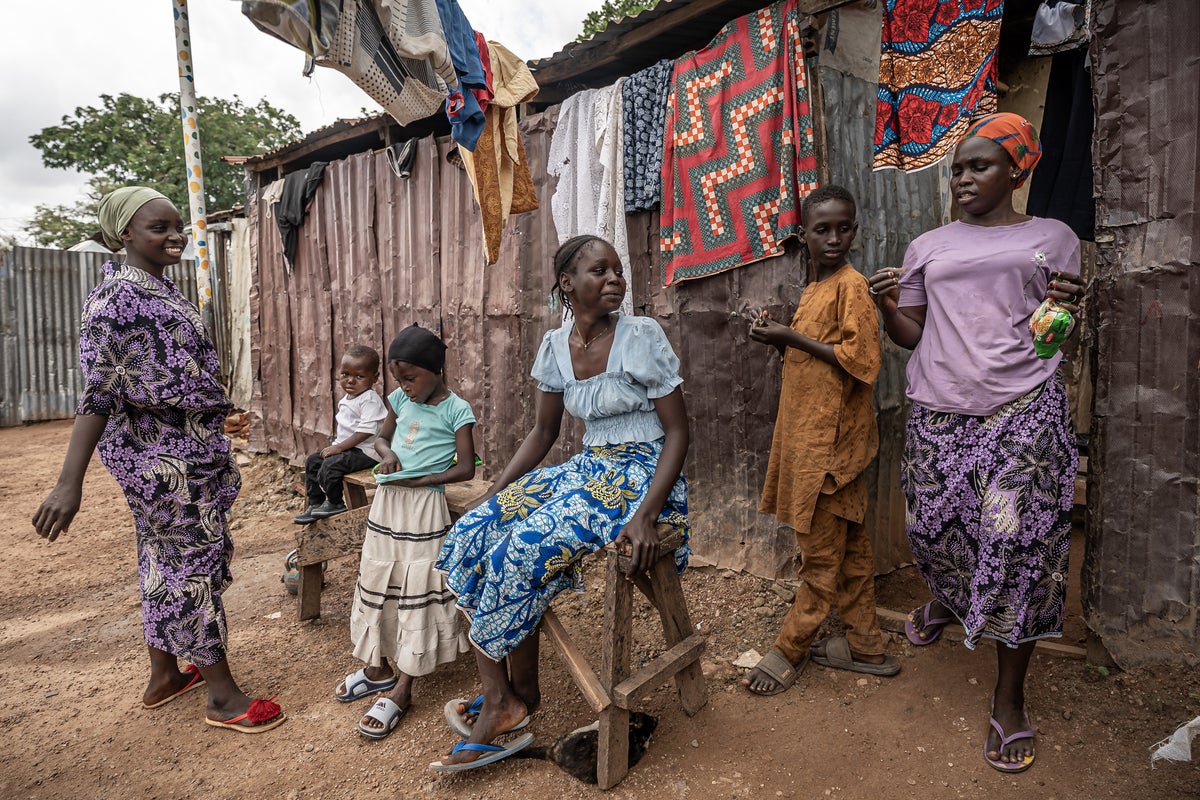
On a recent visit to Nigeria, Jonathan Powell, the prime minister’s national security adviser, highlighted the country’s crucial role in preventing the Sahel’s slide into even-greater chaos – with all the worrying spill-over effects for the UK’s own security.
Islamist insurgencies and military coups across the region have created a terrorism threat and a humanitarian crisis. Its largest nation is rightly seen as a bulwark against further conflict and turmoil.
For that reason, the flagship Strategic Partnership the UK signed with Nigeria aims to boost our “mutual national security” through defence and counter-terrorism cooperation – and through aid programmes to foster peace efforts and tackle the poverty and coercion that drives desperate people into the arms of terrorist groups, or to flee to Europe.
So far, so good. An inquiry carried out by the International Development Committee I chair, welcomed the bold ambition, while noting it will not succeed “if the humanitarian and security issues threatening Nigerian stability are allowed to grow”.
Then came the bombshell. Just days later, the government revealed it has self-sabotaged its bold ambition by cutting Nigeria’s aid budget by 50 per cent immediately and for the rest of the decade. It is now barely 15 per cent of the level of support a decade ago.
Inevitably, this means the work of the Strengthening Peace and Resilience in Nigeria (SPRING) programme to reduce conflicts by resolving disputes and improving livelihoods will wither, as funding dries up.
Our inquiry heard how the Propcom+ programme is transforming the rural economy for millions of Nigerians through new climate-smart business models that boost productivity and incomes. Will it survive?
And what will happen to what the United Nations Refugee Agency (UNHCR) called the “fantastic development and humanitarian team” the UK currently boasts in Nigeria, helping the UN cope with humanitarian crises that provoke armed insurgencies?
The UN agreed it would be “catastrophic” if the team is defunded or dismantled, but Ministers will have to contemplate such appalling decisions with only half the money that was available last year.
Already, two programmes to reduce conflicts have been wound up, as the Integrated Security Fund shrinks its work in Africa to operate only where there is “a clear link to protecting the UK and its interests” – an incredibly short-sighted decision that ignores the threat from the Sahel.
Time and again, our inquiry heard how the security situation will worsen while people cannot find the food they need, and while kidnappings by armed groups force them out of their homes and to refugee camps. Cutting aid will deepen this crisis.
The head of the Mary Dinah Foundation, which provides emergency food relief and health services in Africa, told us the parts of Nigeria with the worst malnutrition are also where extremism and terrorism are taking root, saying: “That is definitely not a coincidence.”
Likewise, the peacebuilding organisation Search for Common Ground explained how the growing ranks of young people trapped in displacement camps without education or job opportunities are “very easy targets” for recruitment by armed groups. As the charity ActionAid has pointed out, refugees can escape to Libya from the northern states of Nigeria and get on a boat to Europe – and then potentially attempt to cross the English Channel.
The evidence we heard had one central truth: that security and prosperity cannot be achieved on the cheap in a place this unstable. Yet, that is what the UK is now trying to do; undermining the Partnership we signed with Nigeria only two years ago.
The communique our National Security Adviser issued in Abuja, Nigeria’s capital city, in early July noted “the deteriorating security situation” – and promised to “deepen cooperation” to prevent conflicts and to protect civilians.
Tragically, that promise was broken within weeks. That is the reality behind our aid cuts.
Sarah Champion is chair of the House of Commons’ International Development Committee and Labour MP for Rotherham
This article has been produced as part of The Independent’s Rethinking Global Aid project
KioskNews shows a cleaned-up reading view extracted from the publisher’s page — the original always lives on their site, not ours.