‘Hold the status quo’? US Congress reviews Xi-Trump summit outcomes
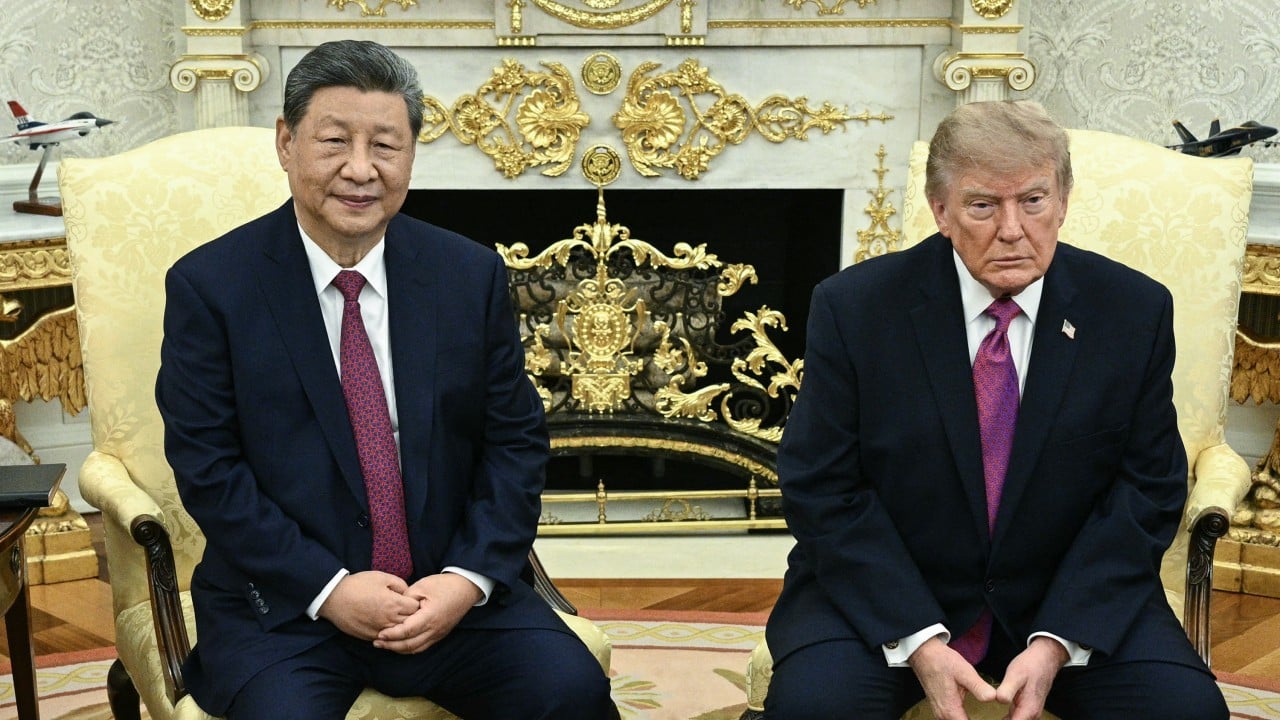
Chinese President Xi Jinping’s three-day state visit to Washington is over, but China watchers in Congress and the US-China policy community are still parsing a wide range of outcomes, with two more leadership summits expected before the end of the year.
The talks between Xi and US President Donald Trump produced a series of joint announcements, including an extension of the US-China trade truce, investment commitments, an agreement to continue an AI dialogue and high-level engagement, as well as measures involving visas for Americans, fentanyl precursors and giant pandas.
But some American China watchers said the results fell short of a major breakthrough and were more about managing tensions than resolving the fundamental differences between the two countries.
04:52
‘New joint arrangement’ on trade as Xi meets Trump at White House
Mike Kuiken, vice-chair of the US-China Economic and Security Review Commission, told the South China Morning Post that the summit was largely about “how do we hold the status quo in place”.
“I just don’t expect breakthroughs,” Kuiken said. “I think every breakthrough – which I would argue is probably most likely to be incremental – is going to be through hard-fought diplomatic discussions and negotiation.”
The commission, an independent advisory body established in 2000, provides Congress with annual reports and recommendations on the national security and trade implications of the US-China relationship.
The two sides agreed to cut tariffs on non-sensitive goods worth about US$30 billion each way and establish an agricultural trade working group, while Kuiken said farm and related purchases were the summit’s biggest deliverable.
On sensitive political issues, the two sides continued to articulate their respective positions. Xi urged Trump to explicitly oppose Taiwan independence, while US ambassador to China David Perdue said after the summit that Washington’s policy on the island had not changed.
“We don’t support independence, and we don’t support coercion,” Perdue told Fox News.
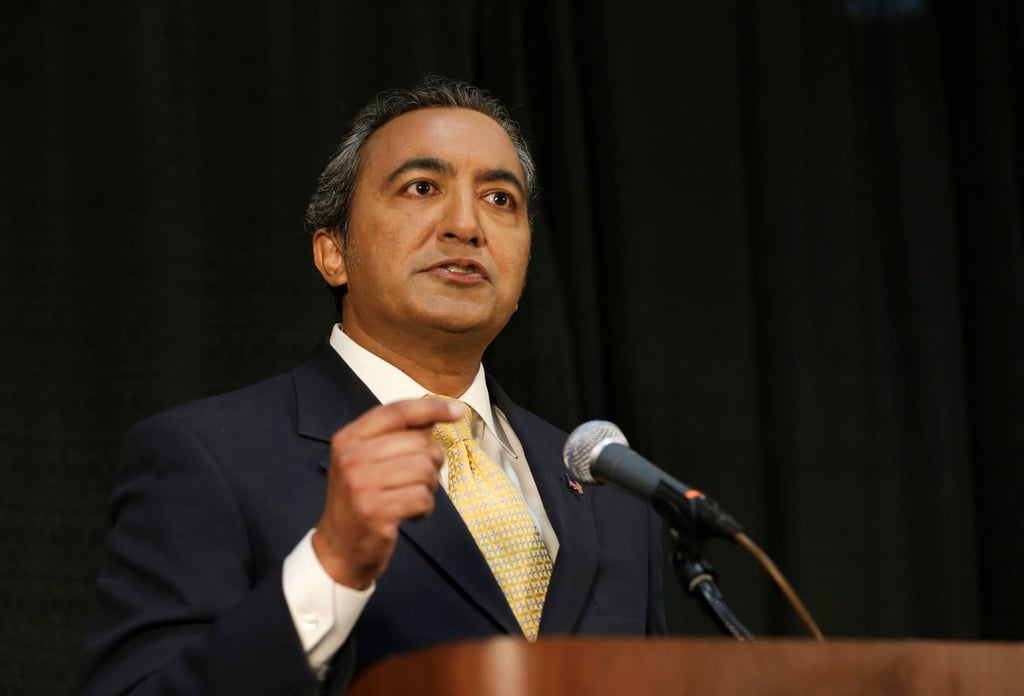
Ami Bera, the Democratic ranking member of the House Foreign Affairs Subcommittee on East Asia and the Pacific, has urged Trump to stand firm on Taiwan and maintain long-standing US commitments in the Indo-Pacific while using direct diplomacy with Beijing.
“I would hope President Trump upholds our decades-long commitments to the ‘one China’ policy,” Bera told South Korean news agency Aju Press. “Our goal is to maintain the status quo. Our goal is to avoid confrontation.”
Beijing sees Taiwan as part of China to be reunited by force if necessary. Most countries, including the United States, do not recognise Taiwan as an independent state, but Washington is opposed to any attempt to take the self-ruled island by force and is committed to supplying it with weapons.
Trump’s warm welcome for Xi also drew criticism from some members of Congress.
Republican Senator Thom Tillis of North Carolina called the state visit a “WTF moment” in an interview with CBS News, questioning Trump’s decision to give Xi a lavish reception while, in Tillis’ view, spending less time with democratic allies. Tillis also criticised the administration’s delay in approving a proposed US$14 billion arms package for Taiwan.
John Moolenaar, the Republican chairman of the House Select Committee on China, offered a more favourable assessment of Trump’s negotiating posture while arguing that Xi left Washington without securing major concessions.
Some Republicans in Congress who have taken a tougher line on China also attended the state dinner for Xi. According to the White House guest list, they included House Speaker Mike Johnson, Representatives Richard McCormick and Jason Smith, and Senator Steve Daines.
“A truly incredible evening at the White House,” Daines posted on social media about the state dinner. In another post, he said he hoped the summit would result in increased “strategic stability and mutual benefits for both of our economies”.
The two leaders are due to meet again twice before the end of the year – first at the Asia-Pacific Economic Cooperation summit in Shenzhen in November and then at the Group of 20 summit in Miami in December.
For Kuiken, however, the additional meetings do not necessarily signal that the underlying differences are disappearing.
“It’s a very complicated relationship,” Kuiken said. “I just don’t see a lot of alignment between the two sides right now.”
KioskNews shows a cleaned-up reading view extracted from the publisher’s page — the original always lives on their site, not ours.