‘Is a blood pressure of 100/60 bad for you?’
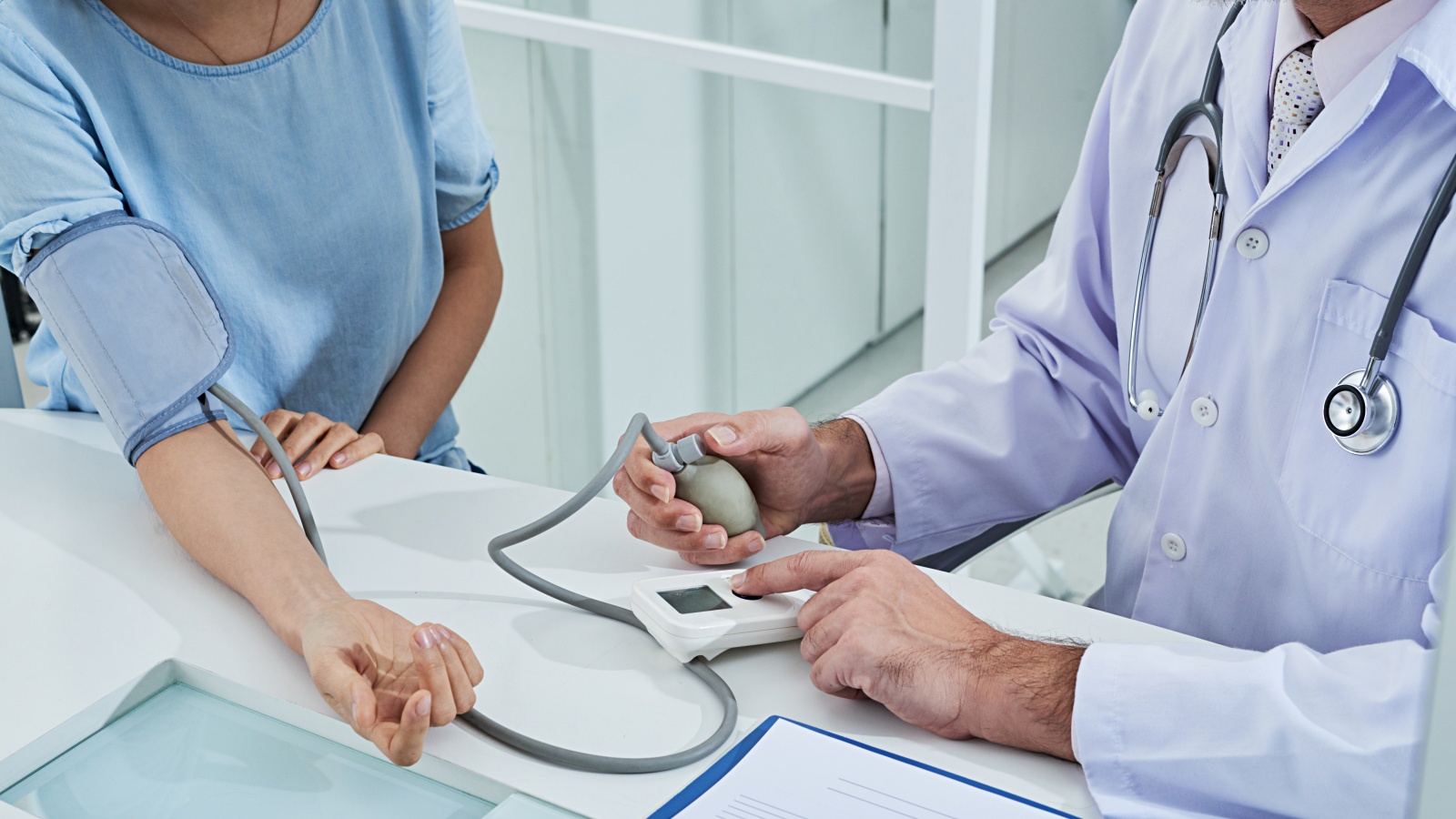
So, we reached out to Dr Aseem Dhall, Director & HOD, Cardiac Sciences, ISIC Multispeciality Hospital, to understand when a reading like this is normal and when it may need attention.
DISCLAIMER: This article is based on information from the public domain and/or the experts we spoke to. Always consult your health practitioner before starting any routine.
“A blood pressure of 100/60 mmHg is on the lower side, but it is not necessarily unhealthy,” Dr Dhall tells indianexpress.com.
He further explains that some people naturally have lower blood pressure, particularly if they are “young, physically active or otherwise healthy.”
“What matters is how the person feels and whether this is their usual blood pressure,” the cardiologist notes.
If someone has no symptoms and their readings remain stable, 100/60 may simply be normal for them. Blood pressure should therefore be looked at in the “context of the individual” rather than judged by one number alone.
Story continues below this ad
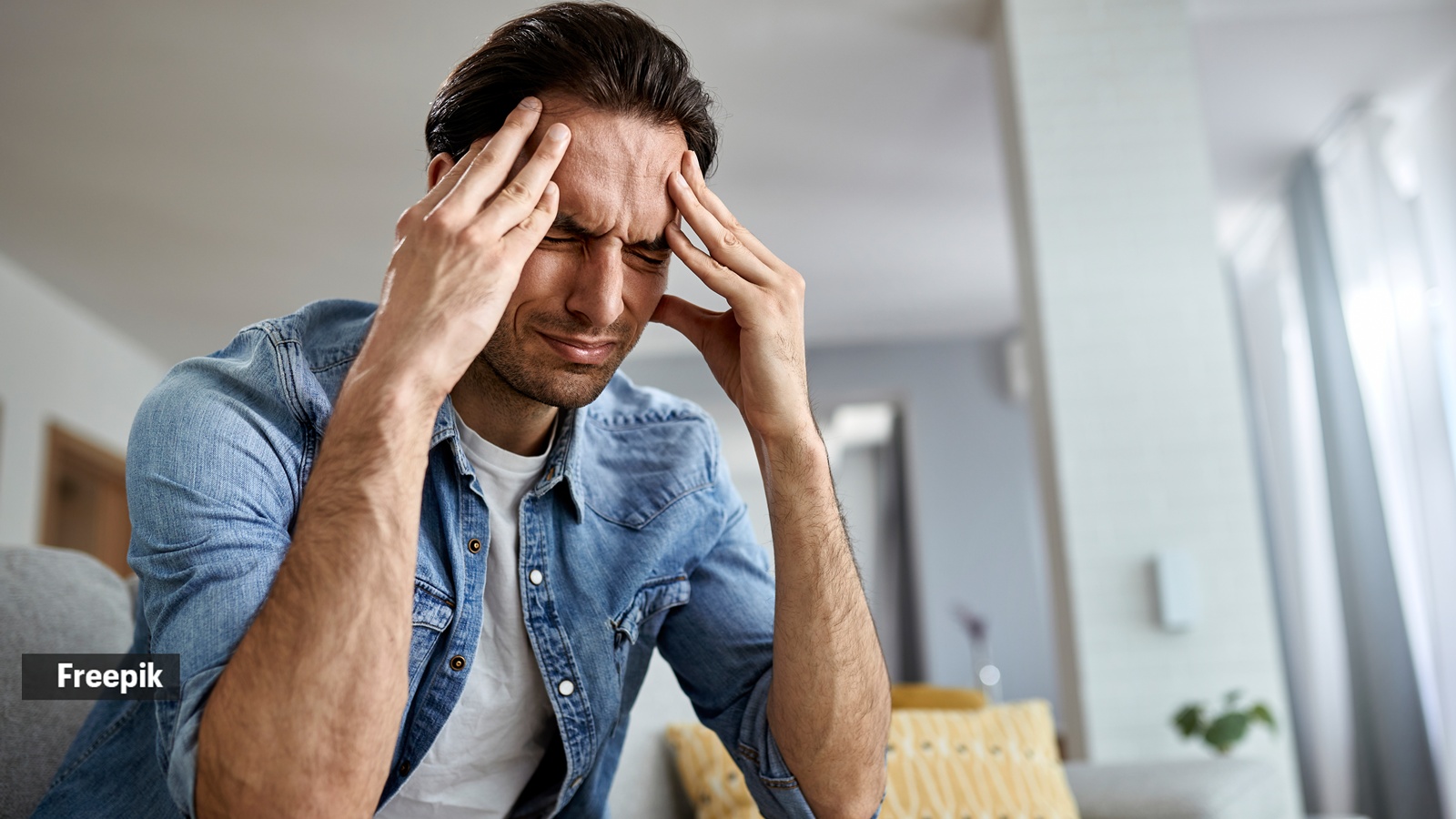 Avoid suddenly standing up if you tend to feel light-headed (Magnific)
When should you be concerned?
A reading of 100/60 becomes more concerning when it is associated with symptoms or represents a significant drop from a person’s usual blood pressure. Age, overall health, medications, and existing heart or other medical conditions can all influence how you interpret the reading.
For example, someone who normally has a higher blood pressure and suddenly records 100/60 may need evaluation. Similarly, people taking blood pressure medicines may need their treatment reviewed if their readings are repeatedly low or they experience symptoms such as dizziness or weakness.
Warning signs can include “dizziness or light-headedness, especially when standing up, unusual weakness, blurred vision, nausea, confusion, fainting or feeling unusually tired.”
“If someone faints, becomes confused or develops severe symptoms along with a low reading, they should seek urgent medical attention rather than trying to manage it themselves,” Dr Dhall sternly cautions.
Story continues below this ad
What if you feel completely fine?
 Screenshot of the query posted on Quora
If a person has a blood pressure of 100/60, feels completely well and regularly has readings in this range, immediate medical attention is usually not required.
“It is still useful to monitor the readings and make sure they are being measured correctly.”
Stay adequately hydrated, eat balanced meals and avoid suddenly standing up if you tend to feel light-headed. If this is a new reading, continues to fall or is accompanied by symptoms, it would be sensible to discuss the change with a doctor.
What if your readings are repeatedly around 100/60?
If you keep getting readings around 100/60 at home, the next step depends on your symptoms and usual blood pressure, Dr Dhall says. If you feel well and this has always been your normal range, it may not require treatment.
Story continues below this ad
However, if the readings are new, becoming lower over time or accompanied by dizziness, weakness or fainting, they should be evaluated. Keep a record of your readings, including the time and any symptoms, and ensure the “cuff fits correctly” and that you are seated quietly before measuring.
If you take blood pressure or heart medicines, do not stop or change them on your own because of a low reading. Speak with your doctor if low readings are persistent, new or associated with symptoms.
‘Blood pressure’ has been trending on Google for the past 24 hours.
DISCLAIMER: This article is based on information from the public domain and/or the experts we spoke to. Always consult your health practitioner before starting any routine.
KioskNews shows a cleaned-up reading view extracted from the publisher’s page — the original always lives on their site, not ours.