With new forum, can Hong Kong become the deal-making hub linking Asia and Middle East?
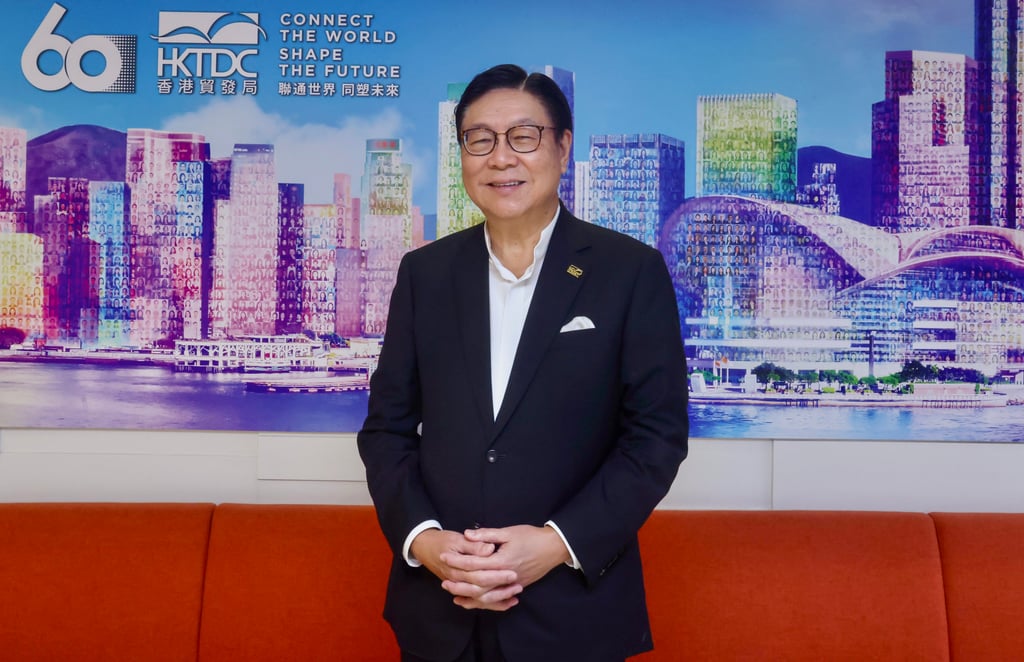
Hong Kong will host an investment forum for business leaders and investors from the Middle East and Asia next year as it seeks to attract more international listings and strengthen its role as a superconnector between the two regions, according to Trade Development Council (TDC) chairman Frederick Ma Si-hang.
The TDC plans to launch the first Asia-Middle East Investment and Business Forum in September or the fourth quarter of next year, Ma said in an interview with the South China Morning Post.
Financial officials, business leaders, family office operators, bankers and asset managers from across the Middle East and Asia would be invited to attend, he added.
“The Gulf countries have plenty of oil money, and they want to diversify their investments,” Ma said. “Asia would be the ideal destination as the region has many high-growth companies. The forum will allow them to make business deals.”
He said the event would encourage more overseas companies to list in Hong Kong, noting that many Belt and Road Initiative countries in the Middle East and Asia had firms with fundraising ambitions.
“During my visits to many countries in the Middle East and Asia, many companies have expressed strong interest in listing in Hong Kong,” Ma said. “The forum will be a great opportunity to show them the strengths of Hong Kong’s capital market and how companies can raise funds here through share sales and bond issuance.”
The TDC initially wanted to host the forum this year, but the plans were pushed to next year due to the conflict in the Middle East, Ma said.
Geopolitical conflicts and protests are only short-term, while Hong Kong’s commitment to the Middle East and Europe is focused on long-term investment and business relationships
The US-Israel war on Iran is now in its ninth month. Since the outbreak of hostilities, Hong Kong’s flagship carrier, Cathay Pacific Airways, has cancelled flights to Dubai and Riyadh until the end of January 2027, keeping its Middle Eastern routes suspended for almost a year.
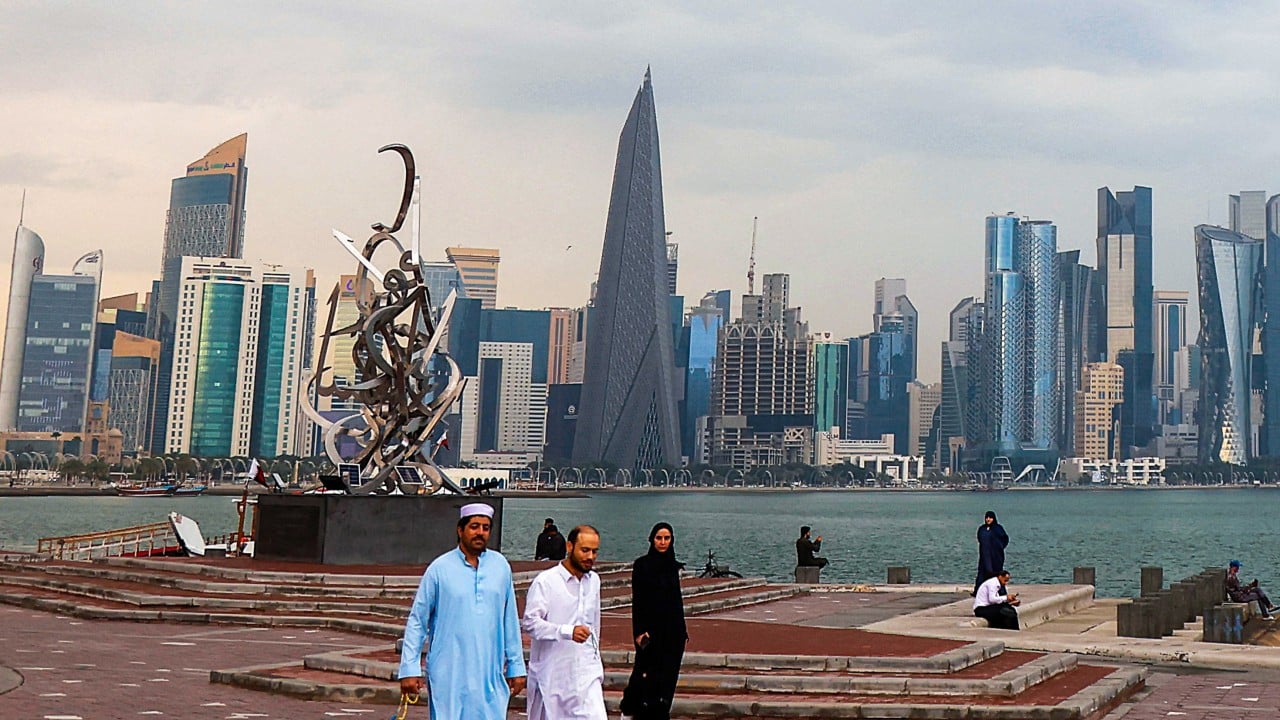
Despite the disruptions, Ma and other officials visited Doha last month to promote business ties between Hong Kong and the Middle East. He will also travel to Europe next month, despite ongoing protests in France and other European cities.
“The geopolitical conflicts and protests are only short-term, while Hong Kong’s commitment to the Middle East and Europe is focused on long-term investment and business relationships,” he said.
More than 100 companies from belt and road countries were already listed in Hong Kong with a combined market capitalisation exceeding HK$340 billion (US$43.3 billion), according to data from Hong Kong Exchanges and Clearing (HKEX).
A further eight companies had submitted listing applications, while 40 others were in talks with HKEX, according to information provided to Ma.
“The exchange reform plan has struck a balance between attracting international listings and protecting investors,” he added.
In July, HKEX carried out its largest listing reform since 2018, allowing all listing applications to keep their filings confidential and reducing market capitalisation requirements for start-ups and international firms.
The city’s fundraising momentum has accelerated this year. Funds raised through Hong Kong initial public offerings doubled in the first nine months of 2026, with 114 companies raising more than US$48 billion, the highest amount for the period since records began in 1980, according to LSEG Data & Analytics.
Beyond equity listings, Ma said governments and companies from the Middle East and Asia could also issue dim sum bonds – debt denominated in offshore yuan – in Hong Kong. The HKEX will launch its first dim sum bond index to promote the asset class on Monday.
“The Middle East and Asia can use the yuan to settle trade and investments involving mainland China,” Ma said. “They can use Hong Kong to issue dim sum bonds to finance those activities.”
Ma, who is also chairman of Hong Kong-listed insurer FWD Group Holdings, is no stranger to capital markets.
As a former banker and listed company executive, he served as a member of the Hong Kong stock exchange’s listing committee in the 1990s. After joining the government, he served as a minister between 2002 and 2008, and oversaw the first government retail bond offering in 2004.
“Hong Kong has the most active capital market in the region and is also the largest offshore yuan centre,” Ma said.
KioskNews shows a cleaned-up reading view extracted from the publisher’s page — the original always lives on their site, not ours.