Pakistan-based terrorists, ISI using porn sites, encrypted platforms to contact ‘recruits’ in J&K
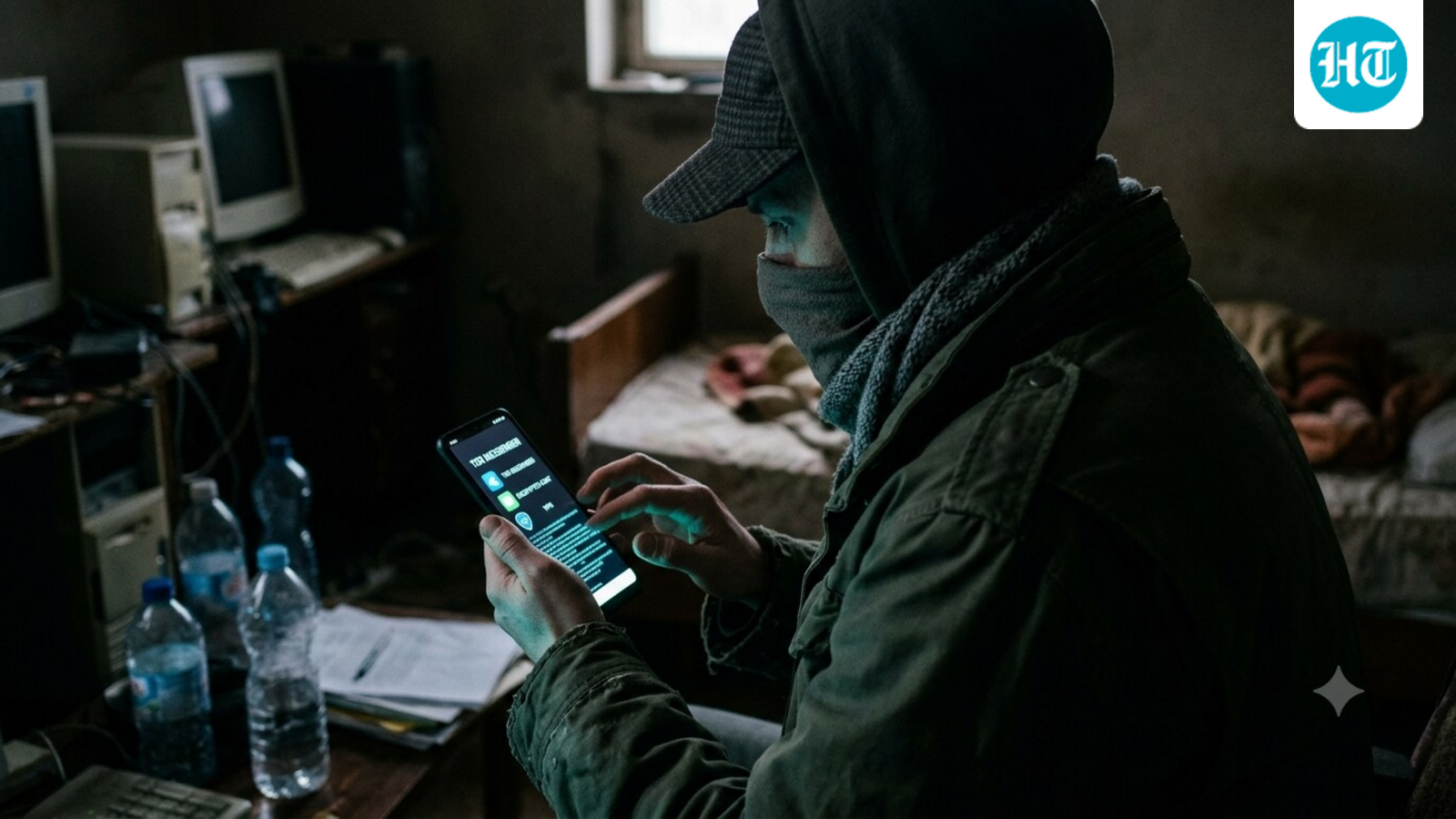
India's security agencies have uncovered another tactic used by terrorists to communicate after the misuse of online gaming platforms by such groups was busted. Terrorists have now reportedly taken to communicating with each other through chat tools available on porn websites and apps.
Terror groups are using niche encrypted applications to communicate secretly, an official was quoted as saying by news agency PTI. These covert channels are being used by terrorists and Pakistan's ISI to pass information related to recruitment in Jammu and Kashmir.
Also Read | Red Fort blast: Delhi court takes cognisance of NIA’s 7,500-page chargesheet
The trend of using porn websites and gaming platforms shows that terrorists have moved away from commonly used social media apps such as WhatsApp, Facebook Messenger and Signal, officials said.
How do terror groups communicate via porn websites and apps?
These porn websites and apps are banned in India. However, they can be accessed using a Virtual Private Network (VPN). Officials said these pornography platforms feature real-time chat tools that operate under the guise of helping users find dates nearby. Terror handlers exploit these tools to broadcast messages and coordinate activities.
How do terrorists hide their identities on these apps?
Security agencies have placed a wide array of specialised digital tools under scrutiny. Terror handlers are relying on Tor-based messaging applications such as Coatex and Conion to route data through encrypted nodes and obscure user identities, said the PTI report.
Also Read | Pak ISI’s India spy trap: ‘Nudity’ bait on social mediato extract defence intel
Tor, short for The Onion Router, is a free, open-source software network designed to enable anonymous communication and private web browsing.
Access to the APK for Conion reportedly faces restrictions within India. An APK file, or Android Package Kit, is the file format used by the Android operating system to distribute and install mobile apps.
Additionally, terrorists are using privacy-focused platforms, including a France-based app that allows end-to-end encrypted messaging without requiring a SIM card or phone number, making user attribution difficult.
Also Read | 200+ arrests, op spread out to 14 states: How Pak-based terror network was busted before Independence Day
Agencies are also monitoring Vietnam-based apps alongside anonymous platforms such as Moonchat, which includes PGP-encrypted versions with suspected Chinese origins that bypass traditional registration. The app has several versions used for finding singles in one's vicinity, according to the PTI report.
Security experts feel that many platforms using the Tor network present unique tracking challenges by bouncing encrypted traffic through multiple volunteer-run relay nodes globally to hide the origin and destination of data.
While Tor is maintained by the US-based non-profit The Tor Project for legitimate privacy and anti-censorship purposes, its anonymity features are increasingly being exploited by clandestine networks, including terror groups, said the report.
KioskNews shows a cleaned-up reading view extracted from the publisher’s page — the original always lives on their site, not ours.