Glacial Lake Outburst In Bhutan Sends Flash Floods Warning To Bengal, Assam
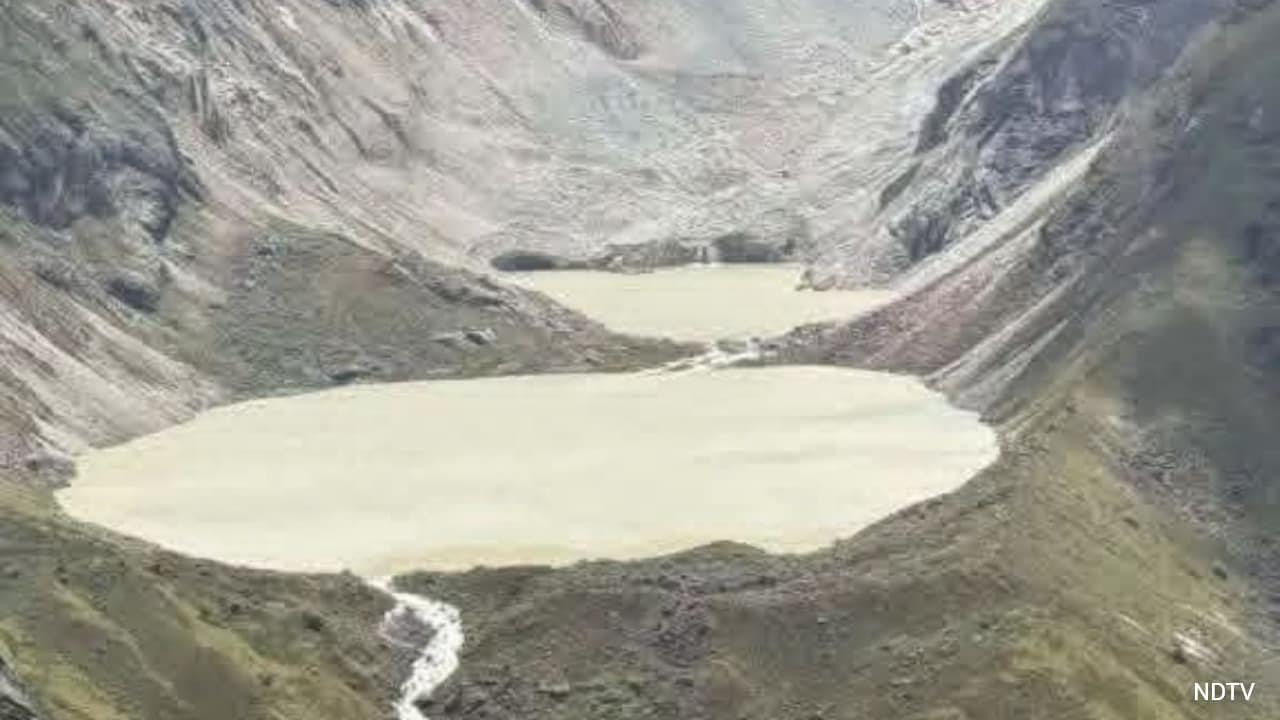
A glacial lake outburst flood has been reported at Shintaphu Lake in the Gasa district of northwestern Bhutan, prompting flash-flood warnings to parts of West Bengal and Assam. The incident occurred on Thursday evening resulting in complete washout of the facilities at Gasa Tshachu, a popular natural hot spring located near the banks of the Mo Chhu River in the Gasa District. No loss of life has been reported as the area had been evacuated beforehand.
Shintaphu Lake, located at the source of the Mo Chhu River, is considered one of Bhutan's 17 potentially dangerous glacial lakes. Gasa Tshachu was last washed away by a major flash flood on August 26, 2021, when the swollen Mo Chhu river changed course towards the hot spring.
The floodwater has now crossed Srigang in Kabesa Gewog, approximately eight kilometres from Punakha Dzong.
Bhutan has alerted the governments of West Bengal and Assam as districts bordering Bhutan are at risk of flash floods. Assam's Dhubri and West Bengal's Darjeeling hills and the districts of Alipurduar and Jalpaiguri are among those at risk.
In West Bengal's Cooch Behar, the administration has issued an alert to people living along the banks of the Sankosh River, which rises in northern Bhutan and is formed by the confluence of major upper tributaries, including the Mo Chhu and Pho Chhu, before emptying into the Brahmaputra River in Assam.
"My appeal to everyone is that there is no need to panic in any way," said Amit Kumar Shaw, Superintendent of Police (SP) for the Alipurduar Police District in West Bengal. "We are in alert mode, the administration is fully prompt, and all agencies are actively working, so there is no issue. We hope that within two to three hours, we will reach a resolution and address whatever trouble the public is facing..."
Alipurduar, West Bengal: District administration and police remain on alert amid fears of flooding as residents living near the Sankosh River and other rivers express concern over possible water inflows from Bhutan, SP Amit Kumar Shaw says, "People are slightly in panic, and my appeal to everyone is that there is no need to panic in any way. We are in alert mode, the administration is fully prompt, and all agencies are actively working, so there is no issue. We hope that within two to three hours, we will reach a resolution and address whatever trouble the public is facing..."
— IANS (@ians_india) October 30, 2026
Bhutan's Solar Project Hit By Flash Flood
The Solar Irrigation Lifting System, installed earlier this year to address irrigation problems in Dochhukha-Dzomlingthang-Ritsa Chiwog under Guma Gewog, Punakha, has been partially damaged by last night's flash flood in the Mo Chhu, an official press release said.
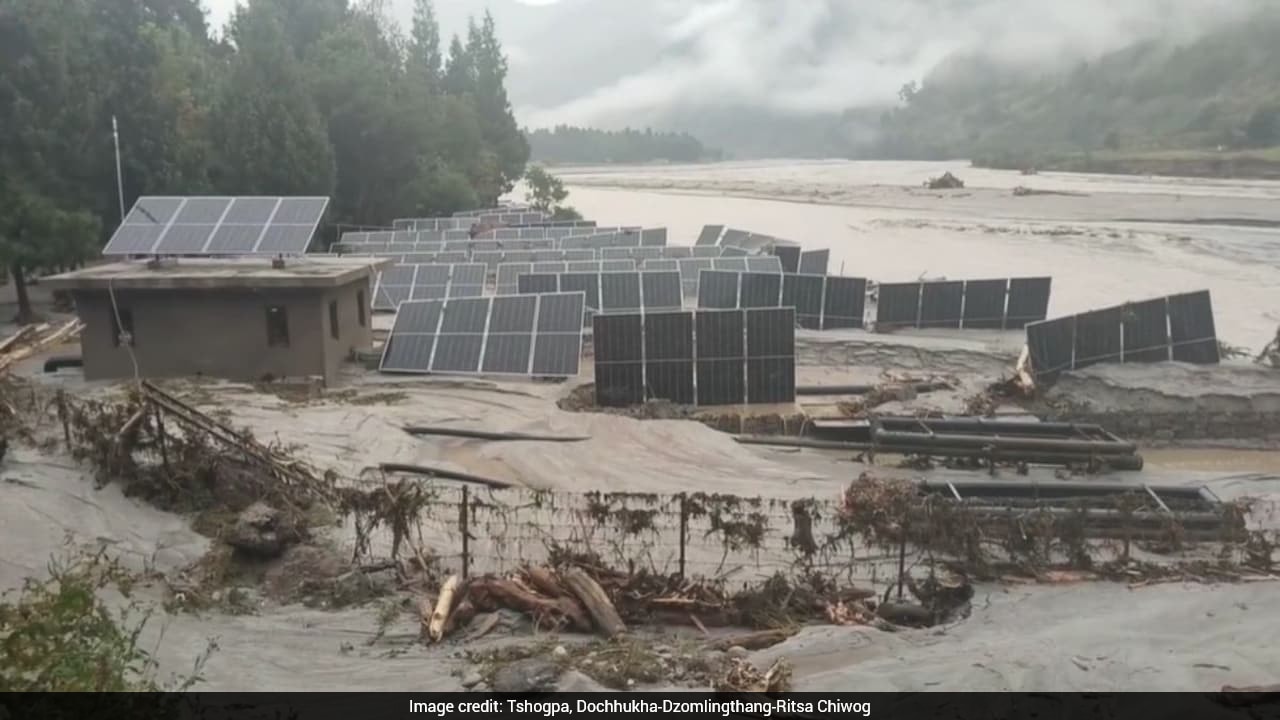
According to a local leader, the system has stopped functioning, although the full extent of the damage is yet to be assessed.
Debris carried by the flash flood has also covered a section of the Punakha-Gasa Highway in the Dzomlingthang area.
What Is A Glacial Lake Outburst Flood?
A glacial lake outburst flood (GLOF) is a sudden release of a large amount of water that has collected in former glacier beds. These lakes are formed by the retreat or thinning of glaciers, a naturally occurring phenomenon that has been amplified by the warmer temperatures of human-caused climate change. When a natural dam holding this excessive water suddenly fails, it triggers a dangerous flood. Such bursts can be caused by heavy rainfall, landslides, avalanches, earthquakes, or rapid glacier melt.
KioskNews shows a cleaned-up reading view extracted from the publisher’s page — the original always lives on their site, not ours.