From Pasil to the world: Indigenous rice champion wins global food award

Already have Rappler+?
to listen to groundbreaking journalism.
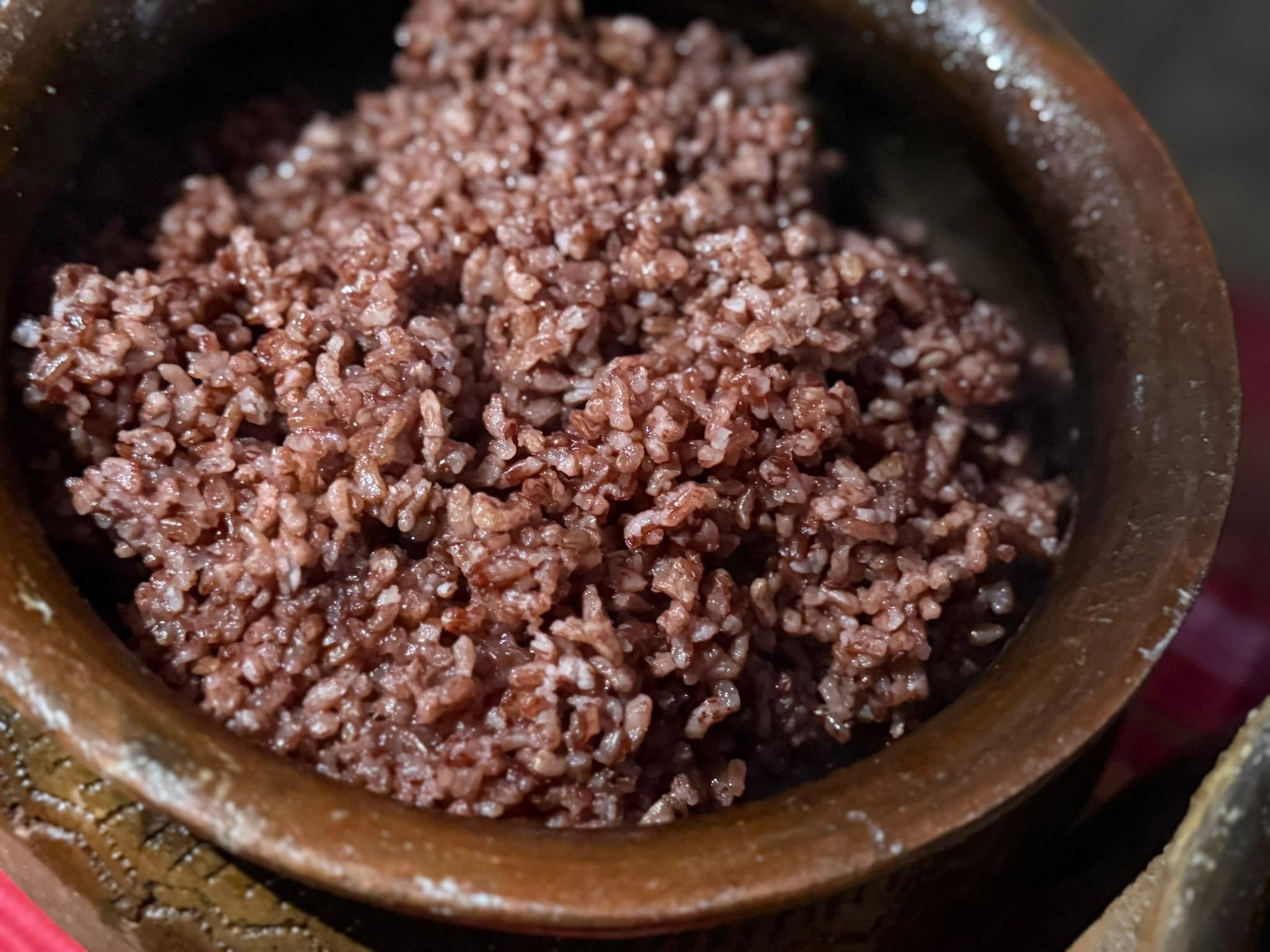
TRADITION. Heirloom rice from Pasil, Kalinga, is among the indigenous food resources Rowena Gonnay has helped protect through her Slow Food advocacy.
Mia Magdalena Fokno/Rappler
In Kalinga, the Pasil community grows indigenous rice varieties with the vital preservation support and knowledge of Rowena Gonnay
AT A GLANCE
- Rowena Gonnay, co-founder of the Slow Food Community Pasil, received the 2026 ByungSoo Kim Award for her dedication to preserving indigenous food heritage and biodiversity.
- Gonnay dedicated the award to her community and farmers, emphasizing the importance of protecting indigenous food, culture, and environment.
- Her advocacy addresses challenges faced by traditional food systems in Pasil due to climate change and other pressures, linking rice to food security and cultural identity.
This is AI-generated. Read the article for full context. Report any errors.
BAGUIO CITY, Philippines – A woman from Pasil, Kalinga, who has spent years helping protect indigenous rice varieties and food traditions has been recognized by one of the world’s best-known food movements.
Rowena Gonnay, co-founder of the Slow Food Community Pasil, received the 2026 ByungSoo Kim Award from Slow Food International during the Terra Madre Salone del Gusto in Turin, Italy.
Gonnay was not in Turin for the ceremony. Reena Gamboa received the award on her behalf, according to Gonnay’s own post after the recognition.
The award citation honored Gonnay for her “outstanding dedication to preserving indigenous food heritage, protecting biodiversity, and passing ancestral knowledge to future generations.”
Gonnay said the recognition belongs not only to her, but to the farmers and community she works with.
“This award is not only for me, but for our community, our farmers, and everyone who continues to protect our indigenous food, culture, and environment,” she wrote.
She dedicated the award to the people of Pasil and to fellow Slow Food advocates who support the movement’s principle of good, clean, and fair food.
Gonnay’s work is closely tied to Pasil’s traditional rice varieties and the indigenous knowledge that keeps them alive.
Slow Food identifies her as a member of the indigenous Kalinga community and a guardian of the Unoy Rice Presidium, which protects traditional rice varieties cultivated in Pasil’s highland terraces.
The Pasil community grows indigenous rice varieties such as Unoy and Chong-ak, with women farmers playing a central role in seed selection, preservation, and the transmission of farming knowledge. The community was formally recognized in 2019 as the first Indigenous Slow Food Community in the Philippines.
Slow Food has also credited Gonnay with helping establish more than 13 Slow Food communities working to protect heirloom and climate-resilient rice varieties and other indigenous food systems.
Her advocacy comes at a time when traditional food systems in Pasil face pressure from climate change, youth migration, changing diets, and the loss of ancestral knowledge. Slow Food has documented how the community links rice not only to food security, but also to identity, ritual, memory, and care for the land.
Although Gonnay was not physically present in Turin, she participated online in the September 25 Terra Madre session, “The Jewel of Philippine Indigenous Agriculture: Rice, its Biodiversity and Cultural Roles.”
The official program listed her alongside indigenous farmer-researcher Boi Myrna Pula and scholars Harold Buenvenida and Raymond Macapagal in a discussion on the cultural, agricultural, and spiritual importance of Philippine rice.
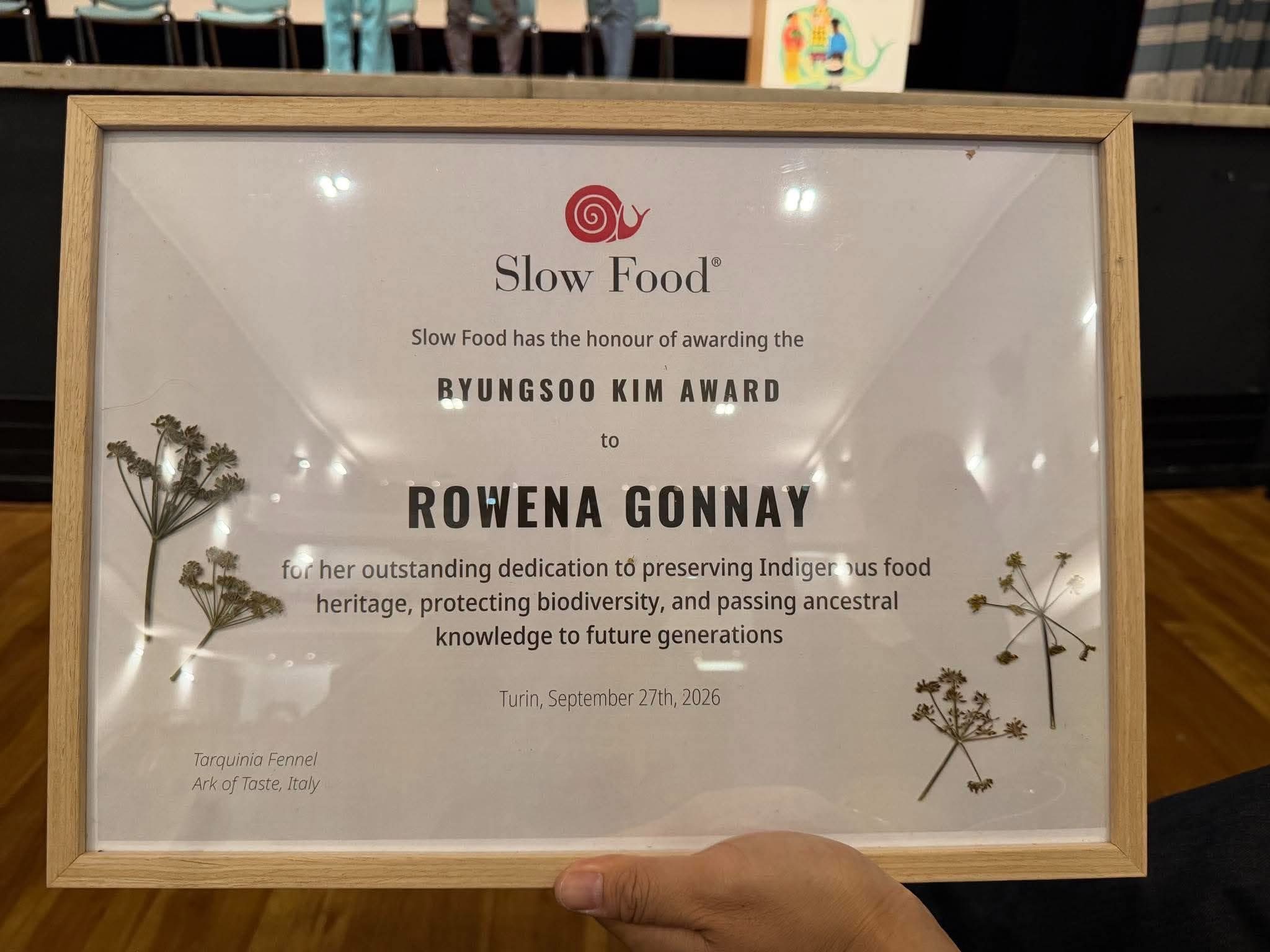
Terra Madre Salone del Gusto ran from September 24 to 27 and brought together 1,500 delegates from 125 countries, according to Slow Food. This year’s gathering centered on biodiversity, indigenous knowledge, sustainable food systems, and food sovereignty.
The Province of Kalinga said Gonnay’s award brings wider attention to Pasil’s continuing work to preserve indigenous food traditions and sustainable farming practices.
Gonnay, however, turned the recognition back toward home, adding it would inspire her to keep working for “our community, our heritage, and a more sustainable future.”
KioskNews shows a cleaned-up reading view extracted from the publisher’s page — the original always lives on their site, not ours.