Maurico Pochettino's Manchester United challenge: Fixing the team, navigating the chaos
Since Sir Alex Ferguson retired in 2013, Manchester United have appointed 8 permanent managers. When including interim and caretaker bosses, 12 different individuals have taken charge across 13 managerial spells. All that change but zero Premier League titles.
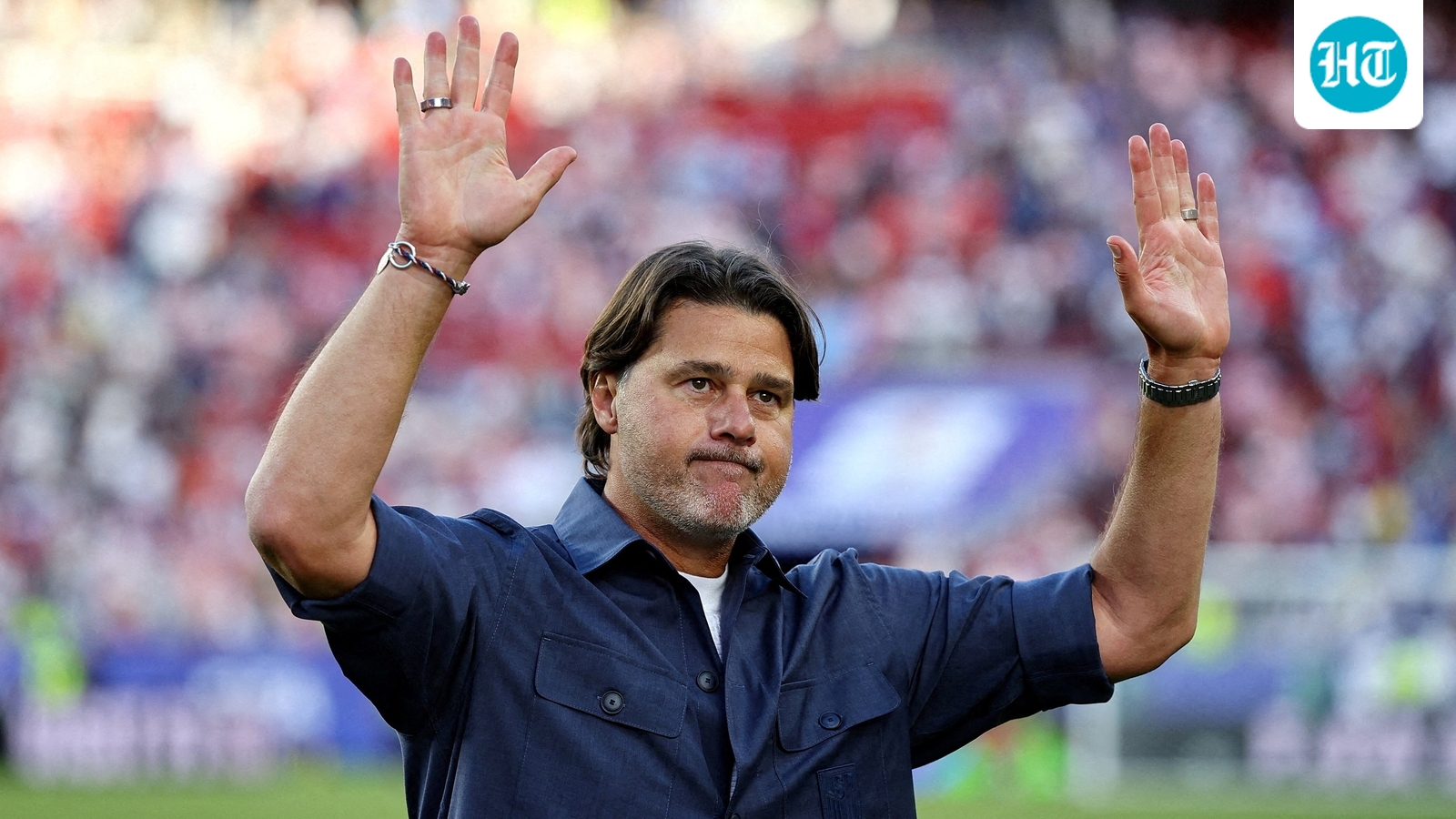
Ferguson and his United teams set a high standard and no other manager has lived up to those expectations; none lasting even three full seasons. Now, a 13th individual is all set to take over. On Friday, the club officially confirmed Mauricio Pochettino as their newest permanent head coach.
The Argentine inherits a team in the Premier League relegation zone, with one win in 10 matches but he inspires hope primarily because of his stint at Tottenham Hotspur.
However, his challenge at United is not merely to introduce a new style; it is to restore organization, confidence and intensity to a team that merely lurks in the shadows these days.
He has a clear footballing identity but whether United have the personnel and physical conditioning to execute it is another question.
Building the press
Pochettino's teams press high with intensity, recover possession quickly and attack before opponents can organize. At Tottenham, he frequently used a 4-2-3-1, with forwards initiating pressure and midfielders moving up to compress space. The press depended on collective movement: one player closing down, another blocking the pass, and the rest pushing forward together.
In an interaction with UEFA, the Argentine described his approach as: "playing out from the back, not launching the ball into the box from defence, pressing a lot, dominating the pitch."
Manchester United have struggled with this kind of collective organisation. Their defence has looked disconnected, while the midfield has struggled to protect the back four. So, Pochettino cannot simply demand a high press and expect an immediate transformation.
The fitness test
Pochettino's methods are associated with physically demanding training sessions akin to his idol Marcelo Bielsa. He is famous for using the Gacon Test, a progressive but intense running assessment designed to measure endurance, something that can be described as a more intense version of the Yo-Yo Test.
He himself described his philosophy as: “Suffer in training so you don't suffer in the game.”
That intensity could address Manchester United's lack of energy but the squad's current condition makes the transition delicate. Injuries to key players like Benjamin Sesko, Luke Shaw and others have already stretched their resources, and Pochettino will need to build the physical capacity without increasing the injury burden.
ALSO READ: Michael Carrick's complicated Manchester United legacy
The Tottenham blueprint
Pochettino's biggest selling point may be his achievement at Tottenham. He inherited a club facing instability in ownership and operational management, but brought coherence to the footballing side on the pitch. He developed young players like Harry Kane and made Spurs consistently competitive.
They finished in the Premier League's top three for three successive seasons and reached the Champions League final in 2019, punching above their weight despite the uncertainty around the club.
There are parallels with United, where hierarchical problems have repeatedly undermined progress post the Sir Alex Ferguson era.
But for those who believe in omens, there is a different kind of hope too. As per Opta, United, now in 18th position in PL, are in their lowest position 10 games into a top-flight season since 1986/87 when they were 20th.
That is when Ferguson was hired at Old Trafford and began his remarkable transformation of the club. Could Pochettino work a similar miracle?
The backing question
Despite his positive managerial philosophy, there are caveats to Pochettino. His methods also require players to embrace discomfort and accept demanding standards.
If Manchester United want to build a dynasty around him, they must provide stability and back him with patience and ideal recruitment. Pochettino may be able to paper over the cracks, but he cannot repair the entire club alone.
Facing Liverpool at Anfield will be his first examination. The task beyond that will be to make a fractured team believe again.
KioskNews shows a cleaned-up reading view extracted from the publisher’s page — the original always lives on their site, not ours.