US pushes World Bank to scrap oil, gas funding curbs in major energy policy overhaul
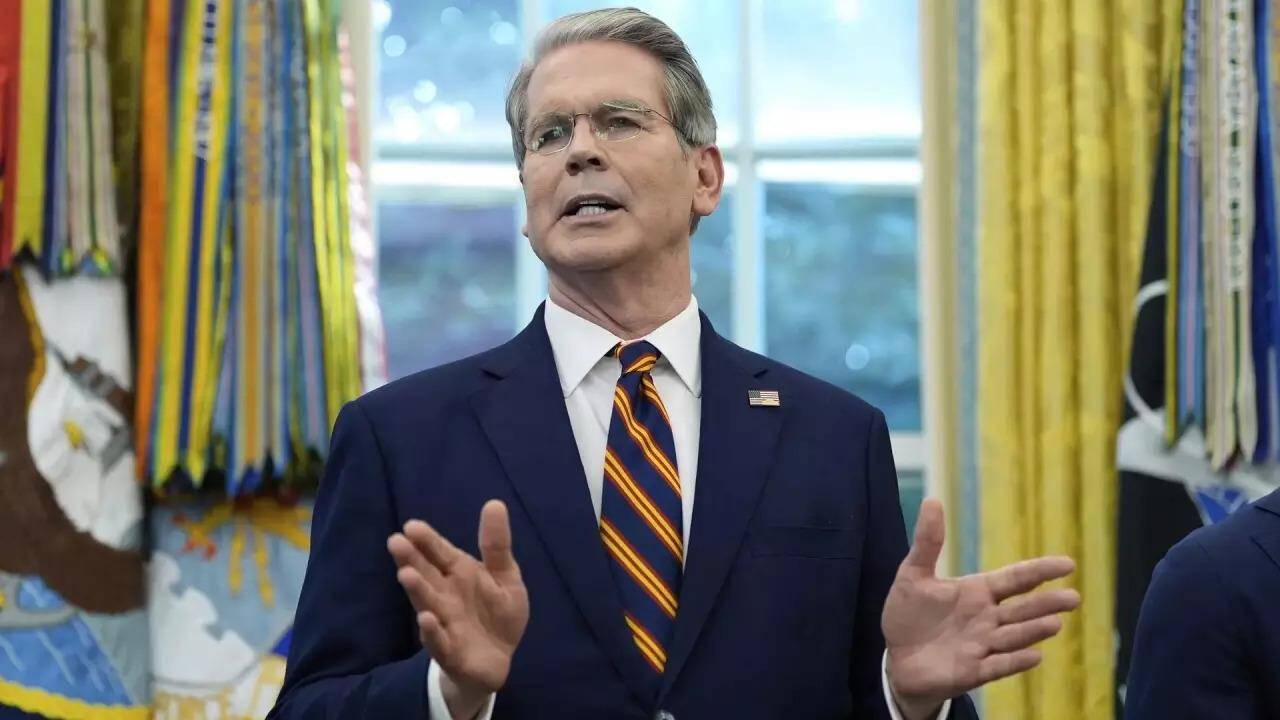
US treasury secretary Scott Bessent has urged the World Bank to end its restrictions on financing upstream oil and gas projects, arguing that developing countries need reliable and affordable energy to drive economic growth, industrialisation and job creation.According to news agency ANI, Bessent made the demand during the October 2026 annual meetings of the International Monetary Fund (IMF) and the World Bank, calling for a technology-neutral approach to energy financing and greater support for countries seeking investments in natural gas projects.“The Bank cannot credibly invoke country ownership while categorically excluding upstream projects before their development merits are even assessed,” Bessent said.The demand could reignite debate over the role of fossil fuels in development financing, particularly as developing countries seek to expand electricity access, strengthen energy security and build industrial capacity.The World Bank announced in 2017 that it would stop financing new upstream oil and gas projects after 2019, subject to limited exceptions for upstream natural gas projects in the poorest countries under specific conditions.
However, the institution continues to support certain gas-related investments under its broader energy financing framework.Bessent argued that the Bank should prioritise reliable, affordable and abundant energy while directing resources towards countries and projects with the greatest development impact. He welcomed what he described as a shift towards measuring outcomes rather than adhering to arbitrary targets.Bessent highlighted the World Bank and African Development Bank's goal of extending energy access to another 300 million people across the continent, saying that achieving the target would require removing restrictions on natural gas financing and responding to demand for gas projects.The US also welcomed the approval of an International Development Association project aimed at securing near-term gas supplies, preparing midstream and downstream investments, and developing gas strategies in West Africa.Beyond energy policy, Bessent called for reforms to the World Bank's lending framework, including phasing out sovereign lending to countries that have long met the criteria for graduating from Bank support. He cited China and Poland as examples.He also urged the International Finance Corporation (IFC) to accelerate efforts to direct 40 per cent of its new commitments towards the poorest and most fragile countries, saying progress had fallen short.On the IMF, Bessent called for stronger surveillance of global imbalances, debt vulnerabilities and exchange-rate policies, adding that the US would hold the institution accountable for delivering more effective surveillance, lending and debt sustainability assessments.The proposals reflect a broader US push to refocus international financial institutions on economic growth, poverty reduction and development outcomes. Any relaxation of the World Bank's existing restrictions would depend on formal decisions by the institution.
KioskNews shows a cleaned-up reading view extracted from the publisher’s page — the original always lives on their site, not ours.