ANALYTICAL ENGLISH 解析英語(常春藤)
A bird that can’t fly, but somehow runs a nation (1/2) 不會飛卻是國鳥級 你說奇異不奇異?(上)
By 常春藤解析英語 Miiky Chocline


What animal looks like a bird, acts like a mouse, and sounds like the name of a fruit? Meet the kiwi. Native to New Zealand, the kiwi has tiny wings, furry-looking feathers and a long beak, making it strangely cute. Still, it has become one of the nation’s best-known symbols.
Evolution had a hand in shaping the kiwi’s unique look. Millions of years ago, when New Zealand lacked land predators, the kiwi lived in an environment where flight was unnecessary for survival. Gradually, it adapted to a ground-dwelling lifestyle. Its wings shrank into small stubs hidden beneath its feathers, while its flight muscles were replaced by strong legs built for walking and fast running. Its feathers also transformed into hair-like structures that provide perfect camouflage in the forest.
Even its sense of smell evolved in a surprising way. Unlike most birds, which rely mainly on sight to find food, the kiwi depends on an exceptional sense of smell. It developed a long beak with nostrils located at the very tip. While foraging for food, it repeatedly taps its beak against the ground to sniff out insects and worms hidden beneath the soil.
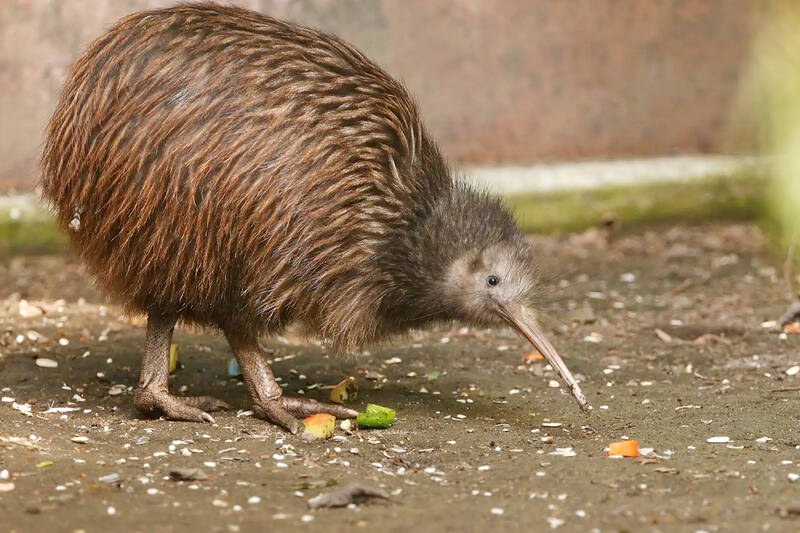
Photo: AdobeStock I 照片:AdobeStock
By the time humans arrived in New Zealand, the kiwi had settled into its own way of life. Its sharp call, which sounds like “kee-wee,” earned the bird its name. Interestingly, the fuzzy fruit we eat was later named “kiwi fruit” because its brown, fuzzy skin reminded people of the bird, not the other way around. Today, the word kiwi still confuses people. Is it a fruit, a nickname for New Zealanders, or a bird? In New Zealand, the answer begins with the bird, a national icon and one of the country’s most recognizable identities.
什麼動物看起來像鳥、行為像老鼠,名字聽起來像水果呢?來見見奇異鳥吧。奇異鳥原生於紐西蘭,牠們有迷你翅膀、看起來毛茸茸的羽毛,還有長長的鳥喙,怪可愛的。不過,牠們成為了紐西蘭最知名的象徵之一。
演化在形塑奇異鳥的獨特外觀上插了一腳。數百萬年前的紐西蘭缺乏陸地掠食者,奇異鳥住在不需要靠飛行生存的環境中。牠們逐漸適應了地棲的生活方式。牠們的翅膀縮小成隱藏在羽毛下的小殘翼,用來飛行的肌肉則被適合步行和快跑的強壯雙腿取代。牠們的羽毛也轉變成毛髮般的結構,能在森林裡提供完美的偽裝。
甚至連牠們的嗅覺也有驚人的演化。與大多數主要仰賴視力來找食物的鳥類不同,奇異鳥依靠的是絕佳的嗅覺。牠們發展出長長的鳥喙,鼻孔位於尖端。在覓食的時候,牠們會反覆用鳥喙敲打地面,以嗅出藏在泥土下的昆蟲和蟲蟲。
等人類抵達紐西蘭時,奇異鳥已經適應了自己的生活方式。牠們宏亮的叫聲聽起來像kee-wee,使其獲得kiwi這個名稱。有趣的是,我們吃的那種毛毛水果後來會被稱為「奇異果」,是因為其棕色的毛毛外皮讓人們聯想到奇異鳥,而非反過來。如今,kiwi這個字仍讓人們感到困惑。是一種水果、紐西蘭人的綽號,或是一隻鳥呢?在紐西蘭,答案始於奇異鳥,牠們是國家象徵,也是紐西蘭最具辨識度的形象之一。
Words in Use
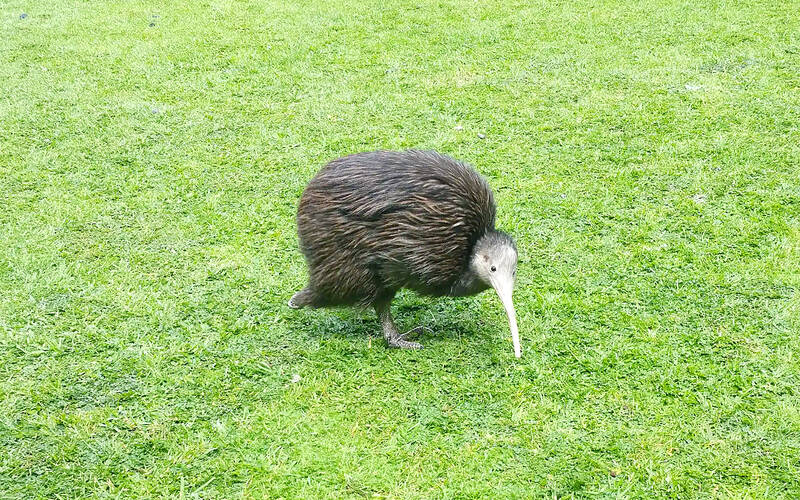
Photo: AdobeStock I 照片:AdobeStock
1.evolution n. 演化
evolve vi. 演化
Fossils provide clear evidence of biological evolution.

Photo: AdobeStock I 照片:AdobeStock
化石提供生物演化的明確證據。
Animals evolve over time due to changing environments and survival pressures.
動物會因為不斷變化的環境與生存壓力而演化。
2. adapt vi. 適應
adapt to N/V-ing 適應……
Humans have adapted to the fast-paced digital world.
人類已經適應了步調快速的數位世界。
3. shrink vi. 縮小
三態為:shrink, shrank, shrunk。
The sweater shrank after being washed in hot water.
這件毛衣用熱水清洗後便縮水了。
4. muscle n. 肌肉
High-protein diets along with exercise support muscle development.
高蛋白飲食加上運動有助於肌肉發展。
5. transform vi. 改變,轉變
transform into… 轉變為……
The street transformed into a lively market as vendors began selling food there.
攤販開始在街上賣食物時,那裡就成了熱鬧的市場。
Practical Phrases
KioskNews shows a cleaned-up reading view extracted from the publisher’s page — the original always lives on their site, not ours.