Mind-controlled drone-flying at Hong Kong’s Being Human Festival among varied programme
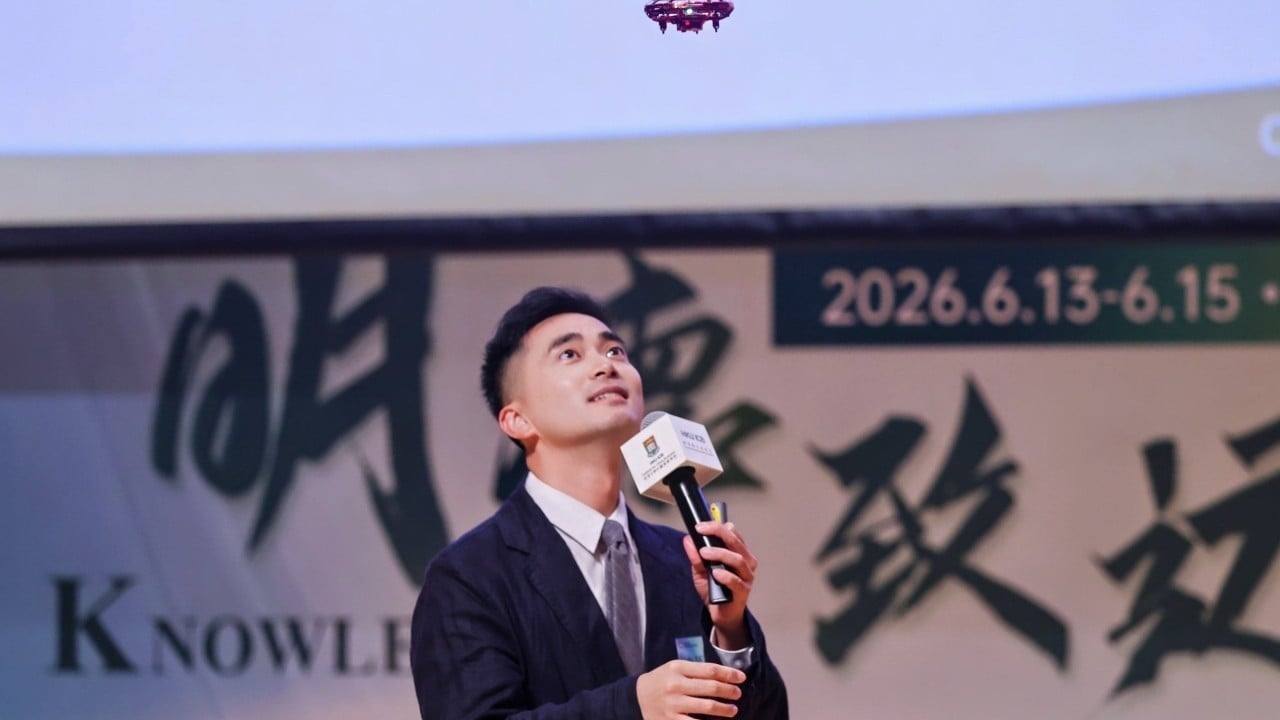
Think you can steer a drone using nothing more than your own concentrated thoughts?
It may sound like science fiction, but mind-controlled drone-flying is one of the free activities the public can take part in at the upcoming Being Human Festival in Hong Kong.
Running from November 5 to 15, the festival is the first Hong Kong edition of the UK’s national festival of the humanities, which was founded in 2014. Organised by the University of Hong Kong (HKU)’s Faculty of Arts under the theme “Crossroads”, the event stages talks, performances and workshops across the city.
Crucially, the festival tackles the common misconception that the arts and sciences exist in opposition. At a time when public policy focus is overwhelmingly fixed on artificial intelligence and other technological fixes to world problems, the programme argues that the humanities are vital lenses to understanding the world and deeply engaging in social realities.
“The events encourage the public to take part in research rather than simply hear about it, and to ask what it means to be human,” says festival director Professor Yeewan Koon, associate dean (global) and chair of the department of art history at HKU. “Research takes many forms, and this festival lets us explore innovative technologies while pausing to celebrate the slow, the felt and the human.”
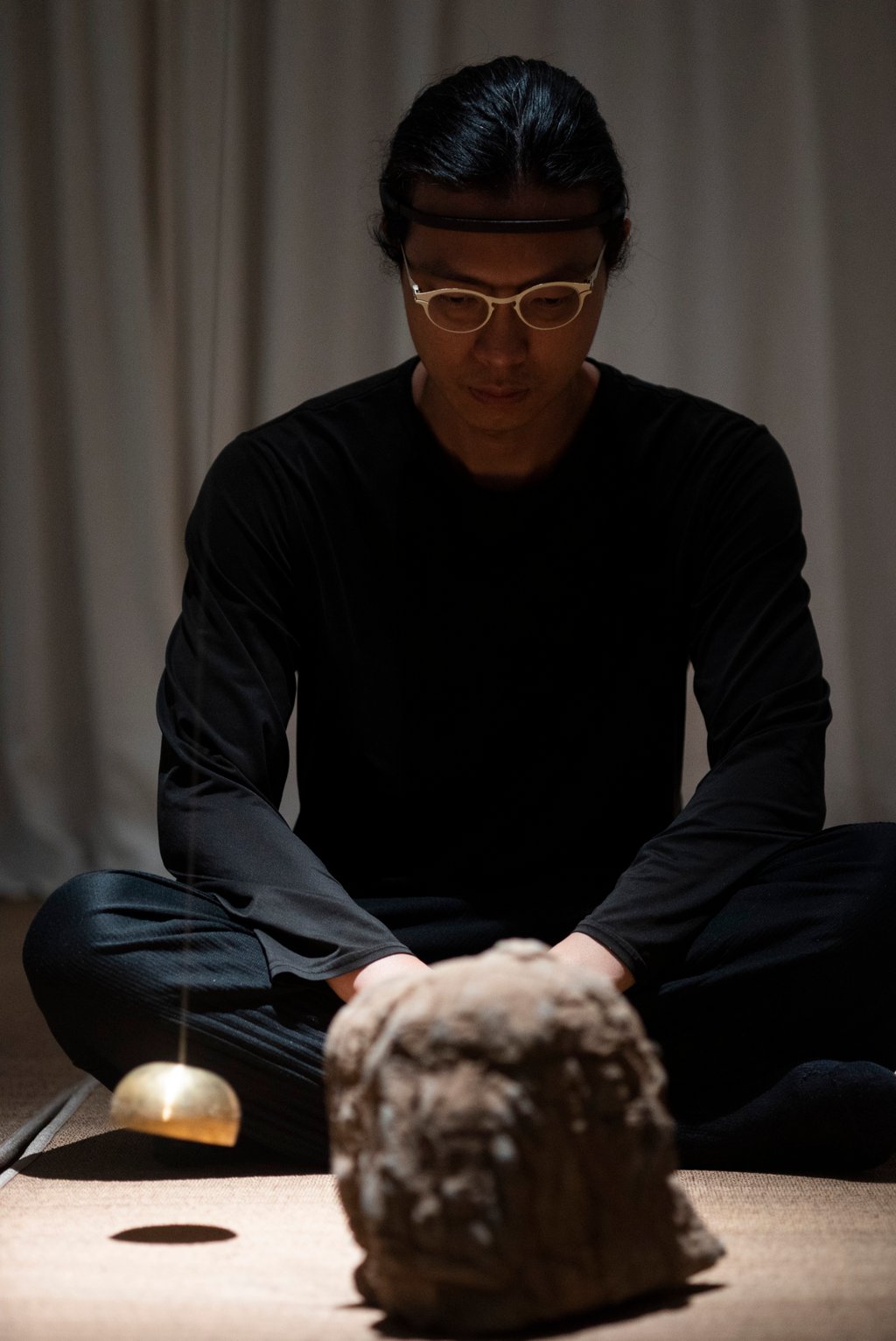
Events organised by the HKU Centre of Buddhist Studies bridge empirical technology and meditation. The drone workshop, called Mindful Connections, will see participants use neuro-feedback headsets to discover how meditative concentration can direct external devices. Meanwhile, in the Resonant Reveries project, new media artist Chris Cheung Hon-him transforms neural activity into physical performance.
“With the great piece by Chris, we will create a sort of dance with these pendulum swings that move in accordance to neuro pathways,” Koon says.
In a city fixated on hyper-efficiency and technological solutions, the festival is a deliberate statement about human tempo, she adds.
“Hong Kong in particular is so fast-paced that sometimes we need reminders that slowing down is not a bad thing. It helps us pause for a moment, and maybe at that moment, think about what it means to be human.”
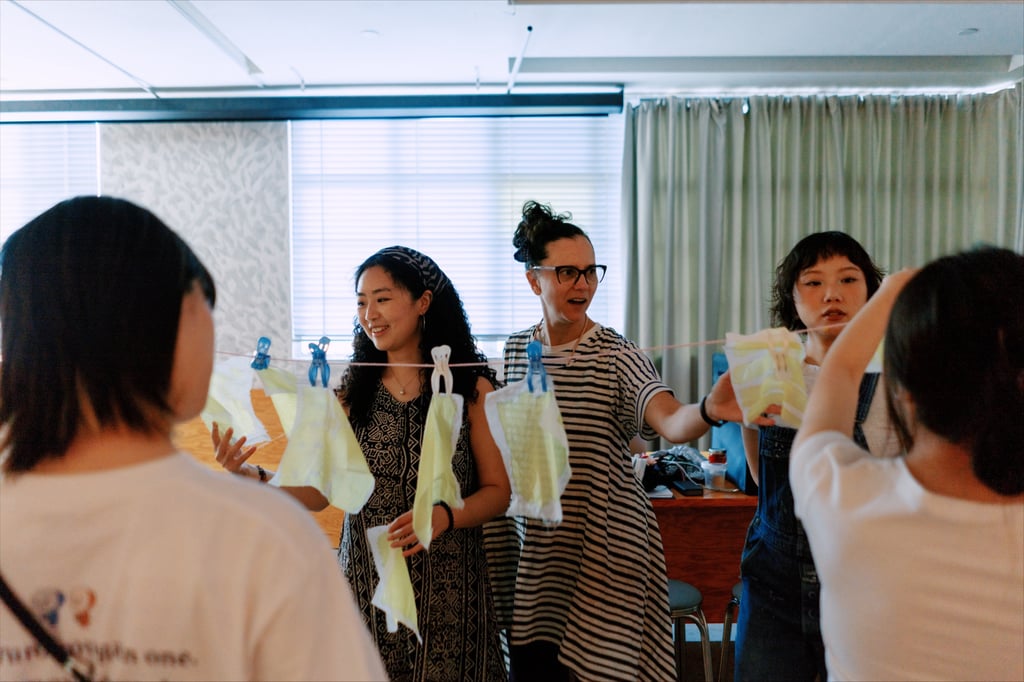
There are many ways to slow down at the festival, which is mostly free of charge and will take place at multiple venues. The workshops on meditation and technology will take place alongside ones on cyanotypes – a slow-reacting photographic printing process – and kombucha run by students.
“What I like about these [latter] two side by side is how they both speak to the other of slowing down, to do things that take time,” Koon says. “Hong Kong in particular is so fast-paced that sometimes we need reminders that slowing down is not a bad thing.”
That deliberate deceleration, she argues, is essential to meaningful reflection. “When we do things with speed and with timetables, we compress things into big landmarks and the next big thing,” she says. “Slowing down lets the in-between stuff back in … That’s when I think magic can happen.
“To be human is to realise we are never separate from the world around us. Mindfulness is simply the art of coming home to the present moment, where we discover that our breath is the breath of life itself, and our peace heals the world.”
For George Lee Kin-cheung, senior lecturer at the Centre of Buddhist Studies at HKU and a licensed psychologist practising Buddhist counselling, the “mindfulness” involved in the Mindful Connections drone exercise is about “fully inhabiting our humanity”.
“Meditation lets us see that what is uniquely human isn’t just our ability to think, but our ability to be aware that we are thinking so we can be a human at this very present moment,” he says.
Other activities include a literary event at the newly opened Villa Haw Par where young women will share personal stories through live performance. A day trip on November 14 to Guangzhou’s Mirrored Gardens will see the meeting of art and local food.
Ultimately, the festival aims to turn academic inquiry into an active, community-wide dialogue.
“It’s really just having a platform for everyone to have a kind of voice that is not purely academics telling you what you should be doing, but you working with us to talk about what we should be talking about today,” Koon says. “What are the conversations we should be having today?”
For the full programme schedule and registration details, visit the official website at beinghumanfestival.hku.hk.
KioskNews shows a cleaned-up reading view extracted from the publisher’s page — the original always lives on their site, not ours.