Shapoor Mistry backs RBI decision on Tata Sons
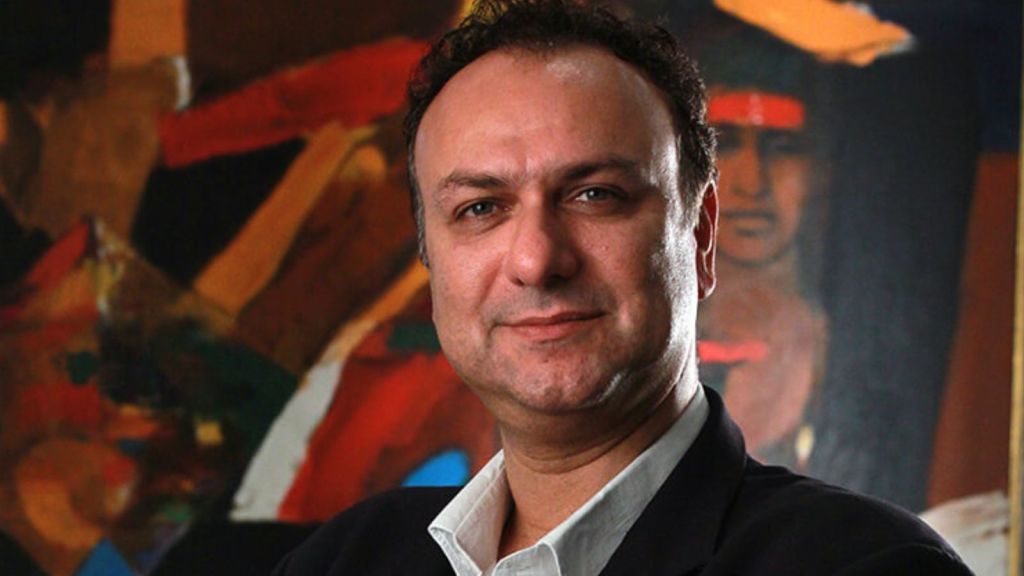 Shapoorji Pallonji Group chairman Shapoor Mistry has backed the RBI’s rejection of Tata Sons’ application to surrender its registration as an upper-layer NBFC, saying the decision provides a clear path towards listing. (Image via shapoorjipallonji.com)
Shapoorji Pallonji Mistry, Chairman of Shapoorji Pallonji Group (SP group) which holds 18.37 per cent stake in Tata Sons, has come out in support of the Reserve Bank decision to reject Tata Sons application for deregistration as an upper layer non-banking finance company. The RBI decision will force the company to go for listing on the exchanges.
“With the RBI having rejected the application to surrender its registration and directing Tata Sons towards the necessary compliance at the earliest, the path forward is clear,” Mistry said in a statement. The RBI has provided full clarity. Tata Sons had been classified as an Upper-Layer NBFC under the RBI’s Scale-Based Regulatory Framework, and the prescribed listing route followed from that regulatory architecture, he said.
Shapoor Mistry is the brother-in-law of Noel Tata, Chairman of Tata Trusts, who is opposing the listing of Tata Sons. Tata is married to Mistry’s sister. Debt-laden SP group, which is active in construction and infrastructure sectors, has been looking for ways to monetise its holding in Tata Sons.
Shapoor’s brother Cyrus Mistry, who passed away in 2022, was Chairman of Tata Sons from 2012 to 2016.
“I have repeatedly said that the public listing of Tata Sons is not merely a financial or regulatory matter. It is a social and moral imperative,” Mistry said. It is about strengthening transparency and public accountability in one of India’s most consequential business institutions, while preserving and advancing the extraordinary philanthropic purpose that lies at the heart of the Tata legacy, he said.
Mistry said this landmark decision should not be viewed as a victory of one stakeholder over another. It should be viewed as an opportunity to bring people and institutions together. “The listing of Tata Sons can become a bridge. A bridge between shareholders and Trusts, between private heritage and public accountability, between generations of stewardship, and between India’s great past and the extraordinary future that lies ahead,” he said.
He said the relationship between the Shapoorji Pallonji and Tata group is itself more than a century old. It has been built over generations through enterprise, trust, shared experiences, and a deep understanding of the responsibilities that come with building institutions in India. “I therefore look forward not merely to a resolution of the present chapter, but to forging a greater partnership, greater engagement and deeper relationships with Tata Sons and the Tata Trusts in the years ahead. Always with a spirit of mutual respect and always keeping the national interest paramount,” Mistry said.
Story continues below this ad
“I believe a transparent and publicly accountable Tata Sons can strengthen the entire ecosystem. It can broaden participation, enhance governance, give greater visibility to value, protect the legitimate interests of investors and provide the basis for a more robust and equitable dividend policy,” Mistry said. Most importantly, it can strengthen the capacity of the Tata Trusts to pursue their philanthropic responsibilities over generations, he said.
The RBI’s decision can therefore become far more than the conclusion of a regulatory question, he said.. It can become a landmark in the evolution of Indian corporate governance – an affirmation that scale and heritage can coexist with transparency; that philanthropy can coexist with public accountability; and that great private institutions can evolve in step with the aspirations of a great nation, Mistry said.
© The Indian Express Pvt Ltd

George Mathew is an Associate Editor with The Indian Express, based in Mumbai. A veteran of financial journalism with nearly three decades of experience, he is one of the country’s most authoritative voices on banking, regulation, and the corporate sector. Expertise & Focus Areas Mathew’s reporting covers the nerve center of India’s economy. His specialized beats include: The Reserve Bank of India (RBI): He has tracked the central bank's policy evolution through the tenures of multiple Governors, offering deep insights into monetary policy, repo rates, and banking regulation. Banking & Insurance: Extensive coverage of public and private sector banks, non-performing assets (NPAs), and key legislative reforms like the Insurance Amendment Bills. Corporate Affairs: Mathew frequently breaks major stories related to India's largest conglomerates, with a specific focus on the Tata Group, documenting boardroom shifts and strategic decisions. Financial Markets: Reporting on the complexities of Foreign Portfolio Investors (FPIs), IPOs, and currency fluctuations. Authoritativeness & Insight With a career dating back to the late 1990s, Mathew possesses a rare institutional memory of India’s financial liberalization and market crises. His work is not limited to daily news; he frequently contributes to the "Explained" section, where he decodes complex financial legislations and market trends for a broader audience. His rigorous reporting has also been featured in scholarly platforms like the Economic and Political Weekly (EPW). Find all stories by George Mathew here ... Read More
KioskNews shows a cleaned-up reading view extracted from the publisher’s page — the original always lives on their site, not ours.