Woman dies after South Korean hospital administers wrong blood type
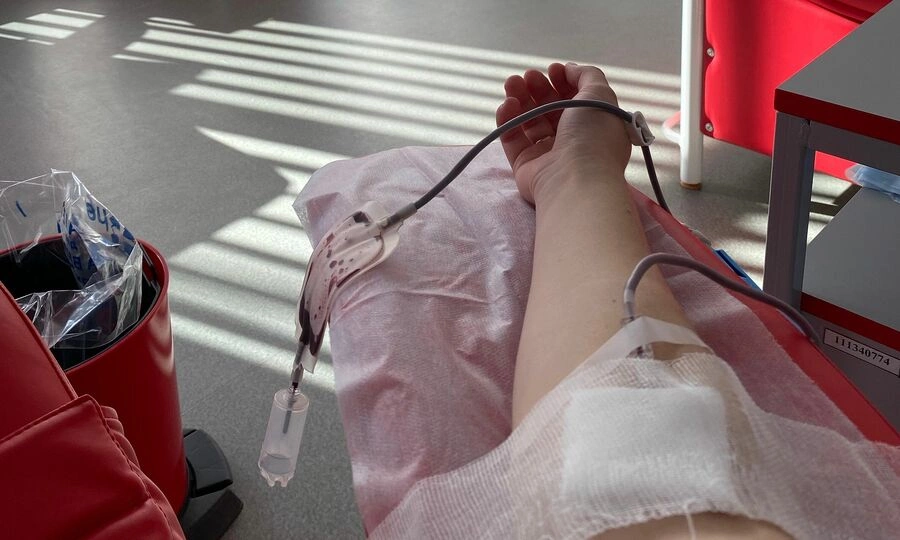
South Korean prosecutors have ordered a reinvestigation into a case in which a type O patient at a Seoul university hospital was mistakenly given type A blood and died about a month later.
The Seoul Northern District Prosecutors' Office on Tuesday directed police to reopen the case following a decision last month by the Seongbuk Police Station not to refer the hospital's medical staff for prosecution, Yonhap News reported.
The incident began in September 2024 when a woman in her 50s arrived at the hospital in cardiac arrest. Doctors determined she required an emergency transfusion and ordered a blood-type test.
The test mistakenly identified her as type A, despite her actually being type O. Medical staff subsequently administered type A blood.
The patient's family questioned the results, informing staff they believed the blood type was incorrect. However, according to KBS, the medical team maintained that their initial test was accurate.
The woman's true blood type was only discovered during a subsequent test conducted for a second transfusion.
Her condition continued to deteriorate, and she died about a month after being admitted. Her family filed a complaint against the medical staff, alleging professional negligence resulting in death.
A police investigation revealed that the blood sample initially sent for testing belonged to another patient. Investigators found that blood barcodes had been mistakenly swapped in the emergency department.
Police stated the problem arose because "inaccurate checks were compounded as nurses at the emergency medical center worked jointly on the task," as reported by the Seoul Economic Daily.
Investigators concluded that improper verification by emergency room nurses ultimately contributed to the error.
Despite these findings, police initially decided against referring the case for prosecution. According to Chosun Biz, authorities cited the chaotic emergency circumstances at the time. These included the patient's critical condition and severe staff shortages caused by a resident doctors' strike.
Authorities also noted the woman had suffered cardiac arrest and a pulmonary embolism prior to the transfusion. This preexisting trauma made it difficult for police to establish whether the incompatible blood was the direct cause of her death.
The ordered reinvestigation will now examine the exact extent to which the incorrect transfusion contributed to the patient's passing.
KioskNews shows a cleaned-up reading view extracted from the publisher’s page — the original always lives on their site, not ours.