What makes a story film festival-worthy?
- The Puregold CinePanalo festival showcases local films that evoke a range of emotions, supported by production grants and partnerships for wider distribution.
- Two notable films, 'Patay Gutom' and 'Multwoh,' explore themes of love and connection between the living and the dead, highlighting personal and cultural narratives.
- The festival also features shorts addressing social issues, with filmmakers aiming to tell underrepresented stories, creating a lasting impact on audiences.
This is AI-generated. Read the article for full context. Report any errors.
The lights come up slowly inside Gateway Cineplex 18, and nobody moves right away.
Outside, the Cubao mall hums with its usual Wednesday noise, the escalators, the food court, the smell of butter popcorn drifting in from the concession stand. This festival season, the noise is shut out, and the dark cinema becomes the loudest room.
Inside it, Puregold CinePanalo films are doing the thing local movies do best: to make audiences laugh, grieve, remember, and feel.
The selected full-length films each received a P5-million production grant, while student short films secured P200,000. The festival’s support extended well past the cash awards: sponsors supplied free equipment worth P1.2 million, alongside post-production discounts and grocery packages to help cover production costs.
As the festival ends, a consultant helps bring the films to international festivals, with the Film Development Council of the Philippines (FDCP) partnership widening their reach.
From 203 full-length submissions and 267 shorts, seven full-length films and 19 shorts made the cut.
As the festival rolled into its screening dates, early moviegoers were already weighing in on the full-length film slate.
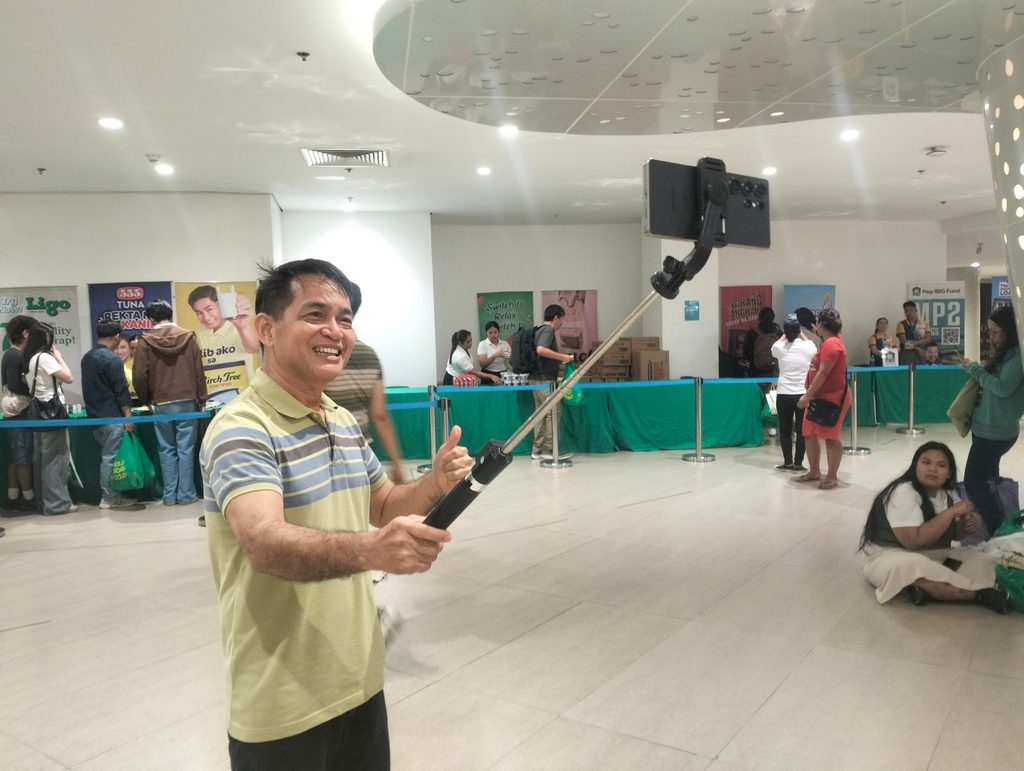
For longtime festival-goer Raymond Reynosa, the festival improved in several areas this year: more venues, more ticket booths, an arranged queue, and a published screening schedule.
Between the living and the dead
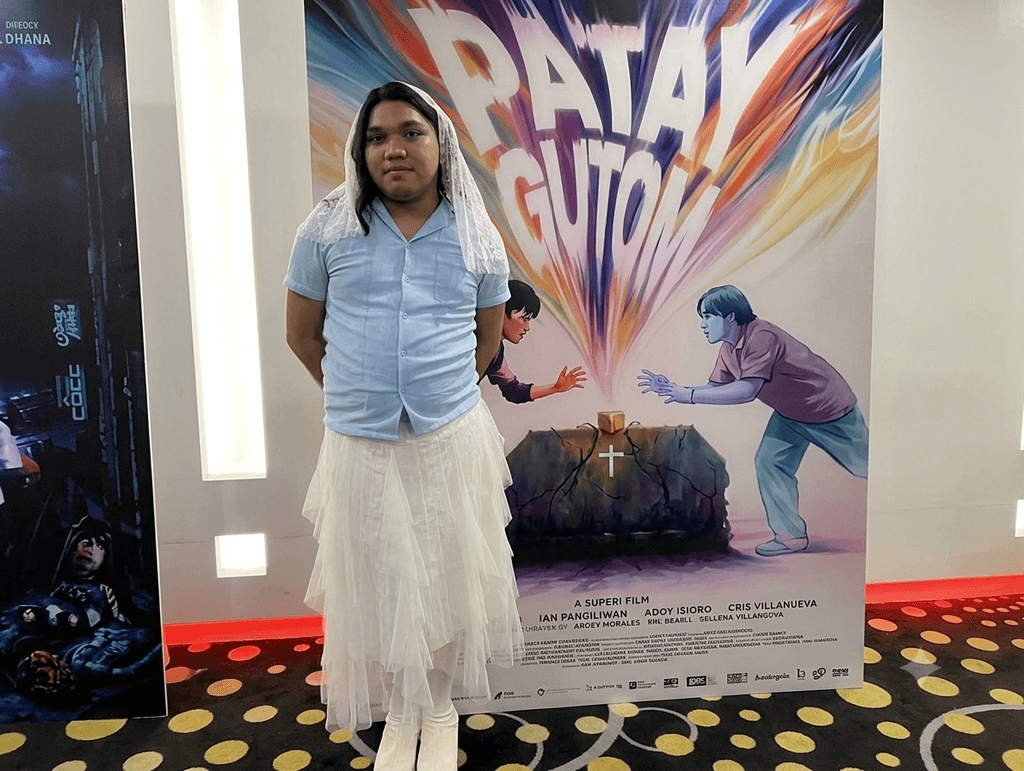
One of CinePanalo’s picks this year features Carl Joseph Papa and Ian Pangilinan’s Patay Gutom. The film follows a grumpy delivery driver, Tristan, whose third eye is opened after eating an offering meant for a charming but lonely ghost, Arthuro “Art” Aquino.
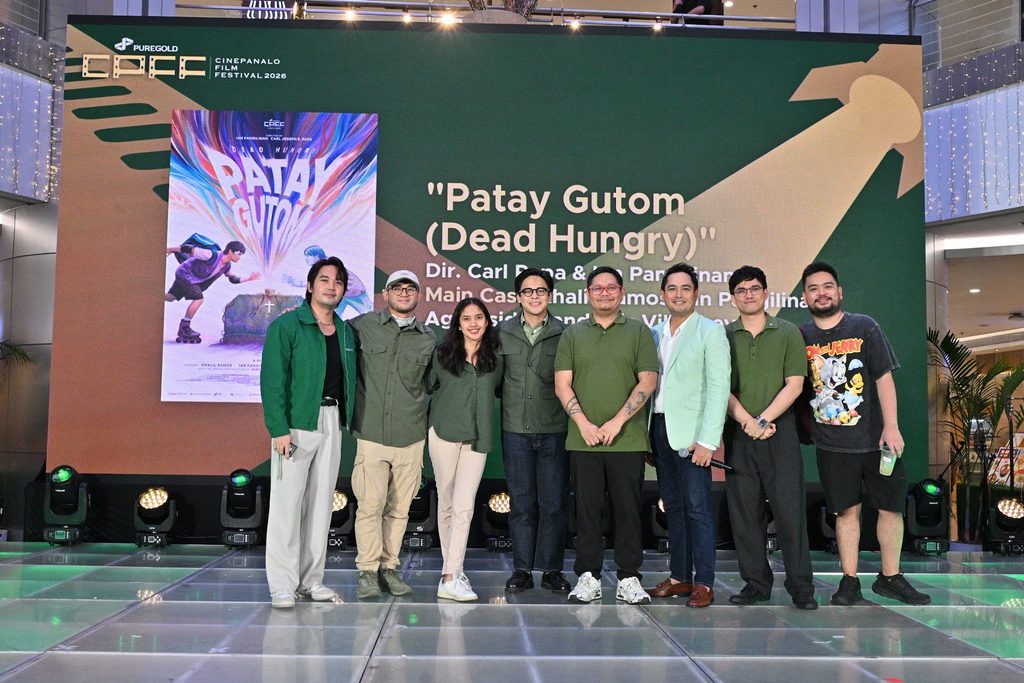
Bound together, they uncover family secrets, boys’ love (BL) heartaches, and a love that blurs the line between life and the afterlife.
Papa, who has made a name for himself with his distinct use of rotoscoping in his work, created two different worlds rendered in two different textures, making Patay Gutom visually unique.
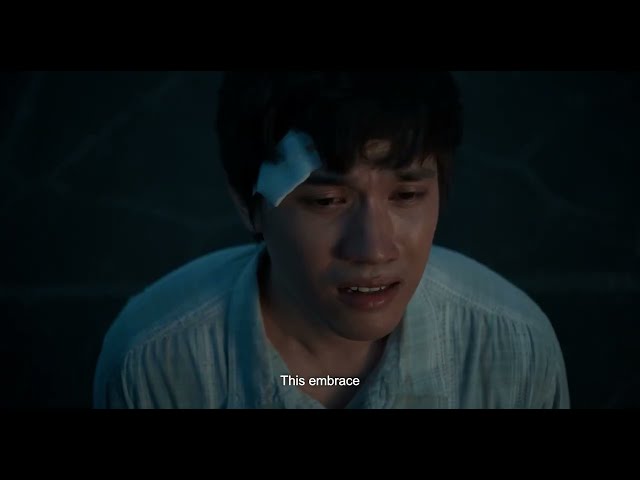
Reynosa admitted some of the drifting between worlds confused him at first, until the film revealed that the past and the present were interrelated all along.
Another viewer, Janice, connected most with the character of Tristan and one scene involving pag-aatang, a traditional Filipino food offering that connects the living with the dead to honor departed loved ones.
“‘Yung binibigyan pa rin ng food yung mga namatay na, kasi ‘di ba tayong mga Pilipino meron tayong mga paniwala na kinakain nila ‘yun,” she said, adding that the film brought her back to the days she failed to bring food to her departed loved ones.
(The way we still offer food to those who have died, because us Filipinos believe that they actually eat it.)
If Patay Gutom grieves what was left unsaid to the dead, Multwoh centers on a confession that never happened at all.
Written and directed by queer artist Rodina Singh, the film follows a college queer student who dies suddenly and returns as a ghost, not to seek revenge, but to say the one thing they never found the courage to say in life: “I love you.”

The film bills itself as haunting, hilarious, and tender, a story about fear, desire, and the kind of love that refuses to die.
In the cinema, that mix is physical. The prosthetics on the film’s ghosts, the pantheon of departed souls played by the likes of Inah Evans and Joao Constancia’s allies-in-death, are startling enough that one first-time festivalgoer leaned over mid-film just to whisper how scary the makeup was.
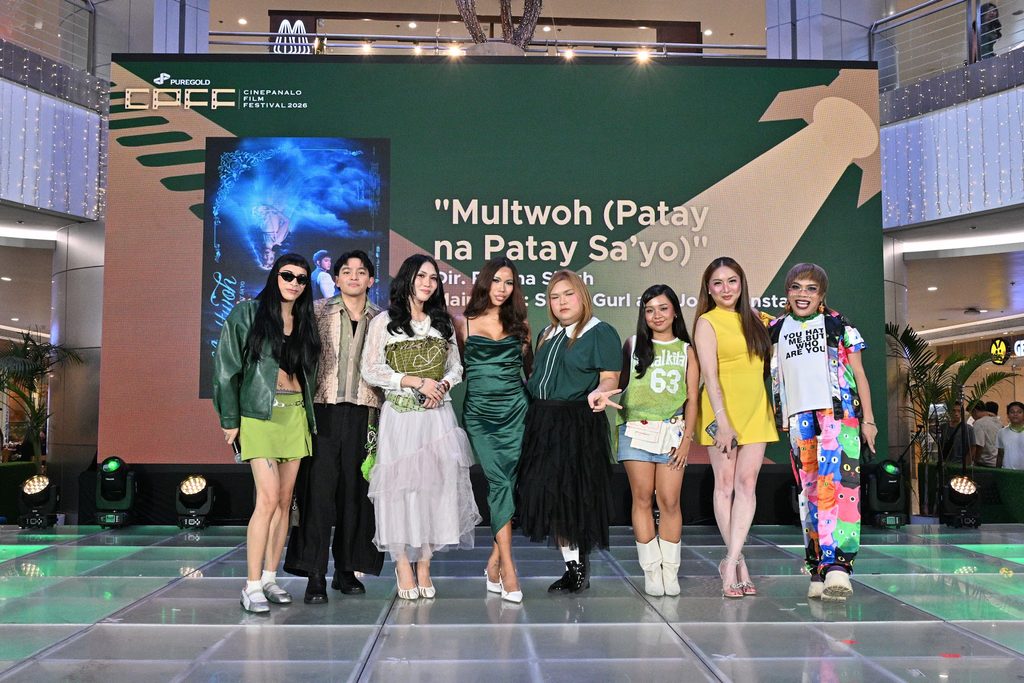
“Death may end a life, but love remembers how it will,” Singh said, adding that a huge part of the discussion goes missing when queer deaths reach the news only as “victims of murders, crimes, and accidents.”
“We want to normalize queer love, because this is like a Disney film for queer kids,” Sassa Gurl said in a mix of English and Filipino.
For Luis Mercado, 21, who watched Multwoh for the first time at the festival, the film felt personal.
It was Sassa Gurl’s character, Marcel, whom he saw himself in — a role that captured the anxiety of harboring a secret crush on a classmate and the fear that speaking the truth aloud would change everything between them.
”Huwag kang matakot mag-confess, kasi although hindi ‘yun yung gusto mong outcome, at least naexpress mo lang before mag-end ‘yung life mo,” Mercado said.
(Don’t be afraid to confess, because even if you don’t get your desired outcome, at least you expressed yourself before your life ended.)
Four confessions, one festival
These are just two of the four films that feature four kinds of unsaid: a ghost’s love for the living, a family’s words to its dead loved one, a boy’s first attempt to understand love for a teacher, and a father’s indebtedness dressed up as a gratitude.
But the festival stories do not stop with its full-length films.
Cahilig also shared that 19 submissions for the short films lean heavily toward social commentary, with themes on abortion, mental health, socio-political issues, and complicated family setups.
He said Puregold had specifically searched for stories that weren’t commonly told on screen.

Among the shorts presented as part of this year’s lineup is Alumahan, a story about a grieving 13-year-old seeking to join a violent gang.
There’s also Ang Huling Banlaw ni Susan, which follows a Filipina labandera (laundry woman) whose fantasies begin to overtake her reality.
No Mad Is An Island, meanwhile, is about a young dancer in a fishing town whose dreams keep meeting the limits placed around him.
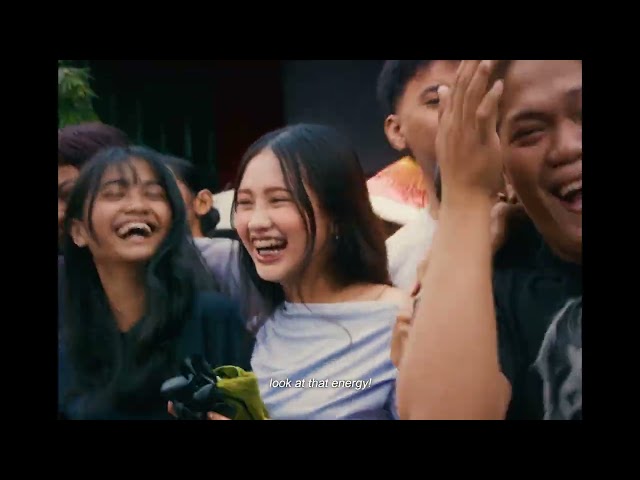
For Keith Ian Serfino of the short film Limlim, the festival’s effect was almost physical. After staying away from cinemas since watching Oppenheimer, returning to the theater felt like something inside him had been switched back on.
As a self-confessed lola’s boy, Serfino felt that the nostalgia-packed Alumhan struck a chord with him most out of all the short films — the kind of story that unexpectedly stays with viewers long after they’ve left the cinema.
Outside Gateway Cineplex 18, the mall is still bustling. But for two hours at every Cinepanalo film, the carefully handpicked stories all come to life on the big screen. – Rappler.com
Jade Tan is a Rappler intern studying AB Journalism at University of Santo Tomas, Manila.
KioskNews shows a cleaned-up reading view extracted from the publisher’s page — the original always lives on their site, not ours.