Blurring peaceful stir and law-breaking: BJP on Annamalai’s critique of CJP protest crackdown
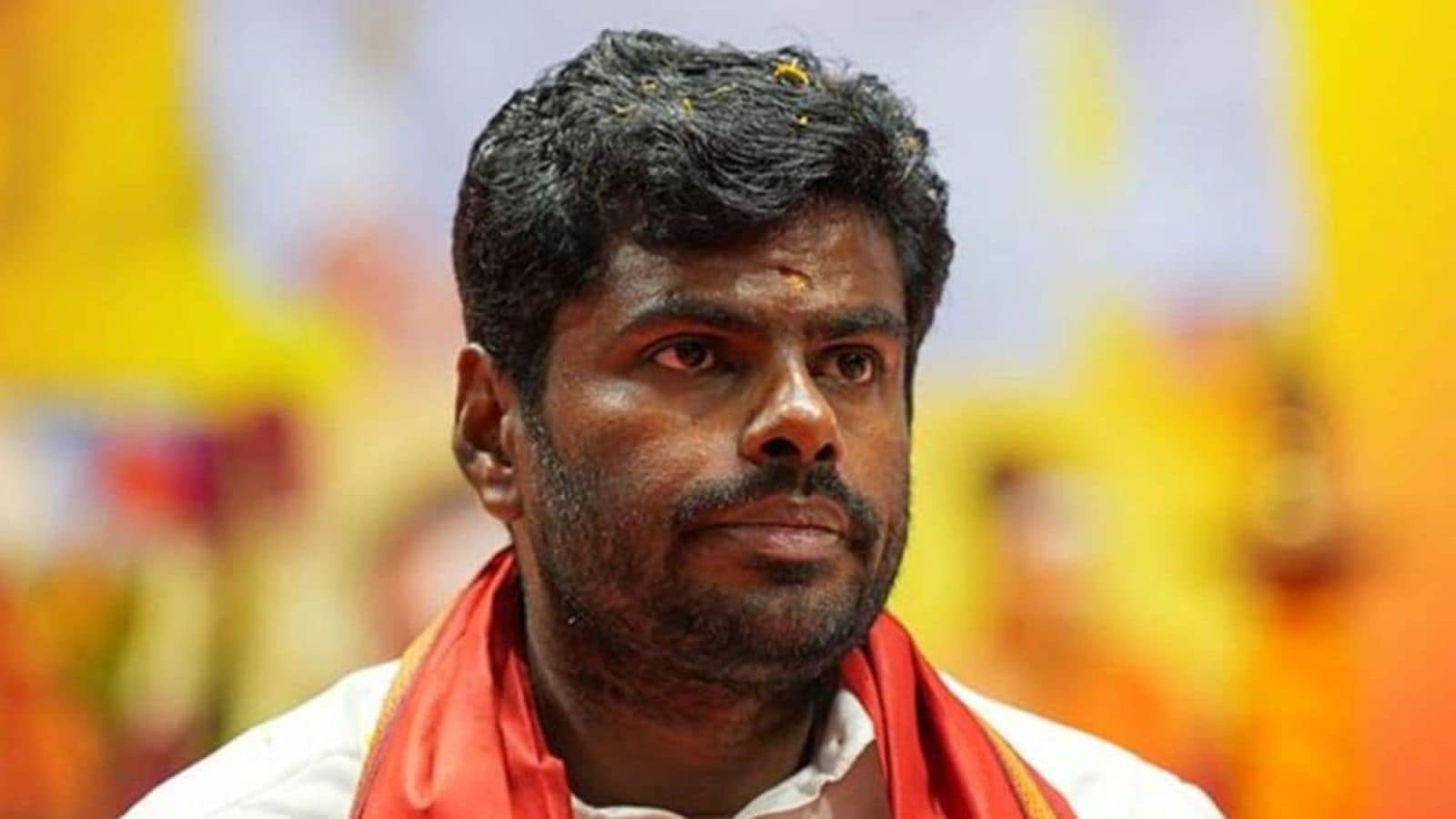
With the Central government facing criticism from its former Tamil Nadu president K Annamalai over the police crackdown on Cockroach Janta Party protesters, the BJP has now pitched in to defend the action.
Responding to Annamalai’s remarks on detentions of the protesters approaching, and some of them breaching, Jantar Mantar last week, Tamil Nadu BJP spokesperson Narayanan Thirupathy Wednesday said: “Mr Annamalai’s questions deliberately blur the line between peaceful protest and deliberate law-breaking.”
He pointed out that the CJP leaders were denied permission for protest at Jantar Mantar. “They responded by climbing locked gates and barricades, entering a de-notified site, and violating earlier peace bonds they had themselves executed. The SEM remand orders and subsequent judicial custody cited exactly this pattern—“no respect for law”, repeated unauthorised protests, and bond breaches, not some vague or indefinite detention. The High Court later reviewed and released them. That is due process, not its absence.”
Mr.Annamalai’s @annamalai_k questions deliberately blur the line between peaceful protest and deliberate law-breaking. CJP leaders were denied permission for Jantar Mantar on clear grounds. They responded by climbing locked gates and barricades, entering a denotified site, and violating earlier peace bonds they had themselves executed. The SEM remand orders and subsequent judicial custody cited exactly this pattern—“no respect for law,” repeated unauthorised protests, and bond breaches, not some vague or indefinite detention. The High Court later reviewed and released them. That is due process, not its absence.
Modi (as Gujarat CM) criticized the UPA-era crackdown on Anna Hazare’s largely peaceful anti-corruption sit-in. That context differs from the October 2026 events. CJP was denied permission at Jantar Mantar (short notice, prior conduct, security/traffic concerns). Leaders later entered by climbing gates/barricades after the site was denotified, unfurled flags, and raised slogans; FIRs followed for trespass, bond violation, and obstructing public servants. Earlier (Oct 10) detentions were largely preventive; many ordinary protesters were released quickly. Leaders had given bonds after prior release to maintain peace.
Jantar Mantar’s denotification followed an MHA committee process on alternative venues and Supreme Court observations on 9th October about the need for better-equipped sites. Claims of “shutting down protest space” ignore both the prior process and the fact that other venues remained available.
Pellet-gun allegations from the NEET protests are under inquiry by the SC-appointed High Powered Enquiry Committee. Police and CRPF have contested the claims. An ongoing probe is not the same as “no action” or proof of guilt. Treating every allegation as established fact while demanding instant admissions is not accountability, it is selective pressure.
The cockroach effigy by the Ramlila committee (led by a BJP MLA) was presented by the organisers as part of a cleanliness drive, consistent with earlier “malaise” burnings. The name coincidence is politically useful and may have amplified attention. It does not convert unauthorised entry and bond violation into protected free speech.
Annamalai left the BJP in June 2026. He is free to criticise. His critique is weaker when it softens or omits the sequence of permission denial, prior undertakings, and physical breach of a restricted site. While Democratic rights include protest, they do not include a free pass to ignore conditions, bonds, and police barricades once permission is refused. Rule of law applies to all sides, including those who style themselves as reformers.
Narayanan Thirupathy,
Chief Spokesperson,
BJP, Tamil Nadu.— Narayanan Thirupathy (@narayanantbjp) October 21, 2026
Annamalai, also an ex-IPS officer, had recalled a 2011 statement by then Gujarat Chief Minister Narendra Modi censuring the midnight police crackdown on anti-corruption protesters at Ramlila Maidan.
“In 2011, the then Chief Minister of Gujarat, Narendra Modi, stated that if his hands had not been tied, he would have gone to Delhi and waged a war against the Central government,” Annamalai said. “In my opinion, what the Hon PM said then was absolutely right, and there is nothing wrong about it… Today, you could be jailed indefinitely; your surety bonds could be rejected; and, surprisingly, a Special Executive Magistrate will play circles around you when he/ she is empowered to deal with preventive bond cases,” he rued.
Thirupathy argued that Modi had criticised the UPA-era crackdown on Anna Hazare’s “largely peaceful anti-corruption sit-in”. “That context differs from the October 2026 events. CJP was denied permission at Jantar Mantar (short notice, prior conduct, security/traffic concerns). Leaders later entered by climbing gates/barricades after the site was denotified, unfurled flags, and raised slogans; FIRs followed for trespass, bond violation, and obstructing public servants. Earlier (Oct 10) detentions were largely preventive; many ordinary protesters were released quickly. Leaders had given bonds after prior release to maintain peace,” he said.
In his post, Annamalai had said he would like people to ask questions again, even if it makes “some of them uncomfortable”, and that he wishes the Centre would answer them instead of resorting to “whataboutism”.
He then went on to post five questions:
“How was Jantar Mantar denotified as a protest site as per a standing order of the Ministry of Home Affairs after a letter was handed over by CJP seeking permission to conduct a protest?” he asked.
Story continues below this ad
“How long can we have a system that gives powers to an Asst Commissioner of Police as a Special Executive Magistrate who rules over whether to keep someone in preventive detention? The ACP of Delhi Police stands over the trial where Delhi Police is the complainant against the accused CJP. Now you know which way the wind will blow,” he said.
“On October 19th, why did the Special Executive Magistrate, aka ACP of Delhi Police, deliberately arrive late for the bail hearing of those who were arrested from Jantar Mantar on October 13th and recuse himself, saying there is a threat to his life? Is this some kind of a joke?” Annamalai asked.
“Why were 8 sureties rejected, and why was the person who came for surety subjected to cross-examination by the Special Executive Magistrate?” he asked.
He asked if any action was taken on pellet gun usage or other actions by the Delhi police who have “violated the standard operating procedures against the protesters” during the NEET fiasco stir.
Story continues below this ad
“Has no BJP karyakarta in Delhi violated any bond conditions during the previous Congress and AAP governments? I trust the same Delhi police were then also when barricades were jumped and orders disobeyed? How were they dealt with then? Like this? Definitely – NO.”
KioskNews shows a cleaned-up reading view extracted from the publisher’s page — the original always lives on their site, not ours.