Yendi nursing students warn restricted access to skills lab could affect their training

Nursing students at the Yendi College of Health Sciences say they are being denied access to their skills laboratory, raising concerns that the situation could affect their practical training and preparation for professional nursing.
The students say they are being left to prepare for work that involves patients’ lives with limited opportunities to practise the skills they learn in the classroom.
The complaint was raised by Abdul Mumin Mohammed, Vice-President of the Students’ Representative Council (SRC), who said the facility was routinely locked when students needed to practise for their practical examinations.
“I'm Abdul Mumin Mohammed, the Vice-President for the SRC at Yendi College of Health Sciences, Yendi,” he said.
Mr Mohammed said students were sometimes told they could not use the laboratory because management did not want the facility to be disorganised.
He questioned why the school had a skills laboratory if students could not access it when they needed to prepare for examinations.
“How can we be having a skills lab in the school, but when it is time for us to do practicals, they will tell us we can't go inside there and practise towards the practical exams? What they will say is that they don't want us to scatter the place,” he said.

“This is our profession; it is the nursing profession. Whatever we learn theoretically, we have to do it practically. And if we don't do it practically, we may not be able to remember what we learned theoretically,” he added.
Mr Mohammed also compared the situation at the college with that of other nursing training institutions, where students, he said, had opportunities to practise in hospitals and interact with real patients.
“Our sister schools, they use the hospital, where they use real patients. But as we are using dummies, you just speak to it and go. You don't know the response that the dummy is giving to you,” he said.
He warned that inadequate practical exposure could leave graduates less prepared to deal with patients during the Nursing and Midwifery Council licensing examinations and in clinical settings.
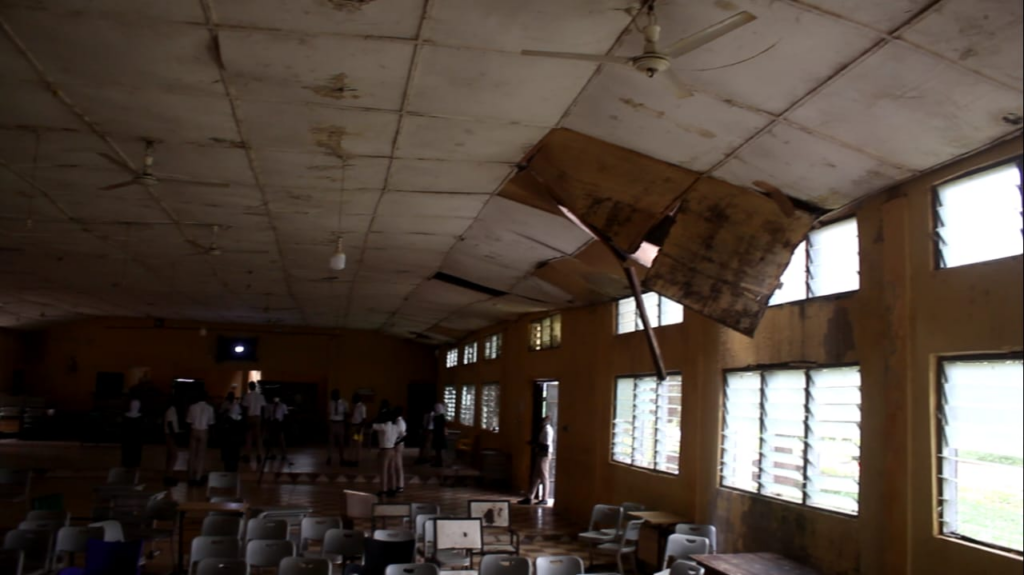
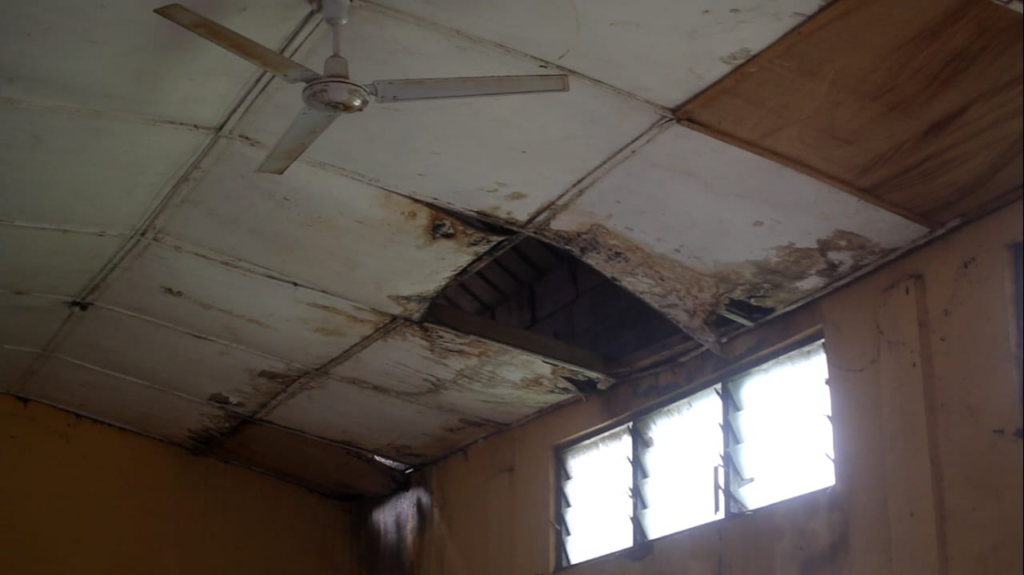
Mr Mohammed also raised concerns about conditions in some lecture halls, claiming that broken fans left students struggling with the heat, particularly during the hottest periods.
He said the classroom conditions made learning uncomfortable and called attention to the need for improvements in the school's facilities.
Meanwhile, the SRC Vice-President for Women's Affairs, Wunimi Mabel, said poor sanitation and inadequate meals were affecting students' welfare and learning on campus.
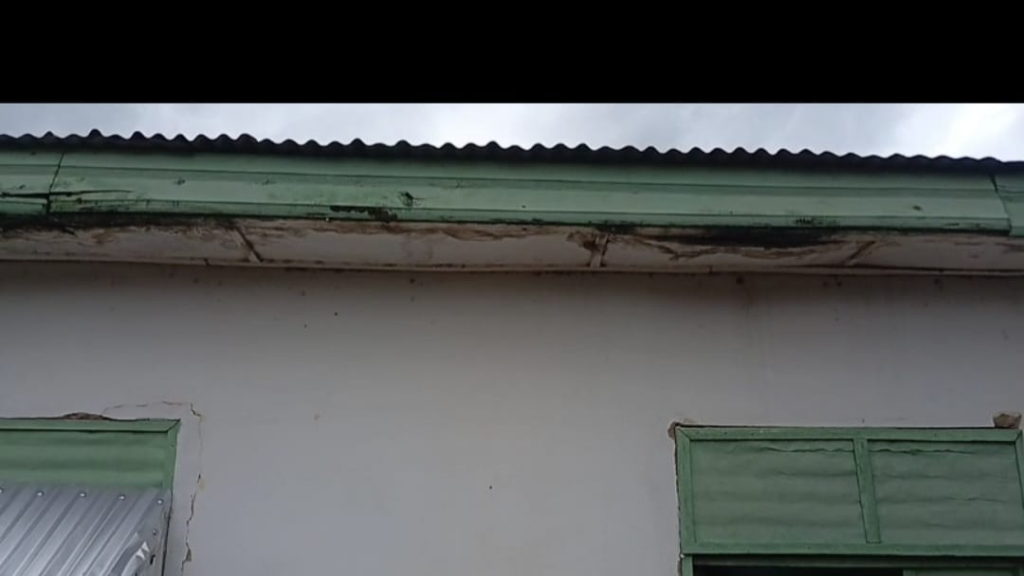
She claimed that the college lacked labourers to maintain the school environment, leaving students to undertake tasks such as weeding the compound, sweeping and picking up litter.
Ms Mabel also raised concerns about meals served at the dining hall, alleging that the food was poorly prepared and provided in small quantities.

The SRC President, Napari Benjamin, raised concerns about what he described as a lack of transparency in the management of students' fees.
He said the fees had increased from GH¢3,815 in the previous semester to GH¢4,663 in the current semester, but management had not provided students with a detailed breakdown of the charges.
According to him, management had described the itemised bill as private and said there was a directive from the Ministry of Health preventing its release.
Mr Napari said students had presented itemised fee schedules from other health training colleges to support their request for transparency, but their concerns remained unresolved.
He argued that the lack of a detailed breakdown had created uncertainty over the charges, particularly among scholarship students.
He also questioned whether the amounts collected for maintenance, utilities and feeding were being properly accounted for.
Mr Napari further said GH¢490 paid by students in the 2024 intake upon admission to Level 100 for school cloth, medical screening and scrubs had not been returned in the form of the promised items, despite the students now being in their final year.
He said a proposal to deduct the amount from their current fees had been rejected on the grounds that the current principal was not in office when the students were admitted.
The Principal of the college, Hussein Abubakari Abdul-Karim, has denied the students' allegations, describing them as fabrications.
He said the skills laboratory was open at all times and housed the office of the laboratory coordinator, making it impossible for the facility to remain permanently locked as alleged by the students.
Mr Abdul-Karim also said students had participated in practical sessions a few weeks earlier as part of field outreach programmes in districts including Bimbilla.
On concerns about classroom conditions, he said some lecture halls were air-conditioned and dismissed claims that students were forced to endure excessive heat during the hottest periods.
Regarding the fees, the principal said the charges were based on a directive from the Ghana Health Service.
DISCLAIMER: The Views, Comments, Opinions, Contributions and Statements made by Readers and Contributors on this platform do not necessarily represent the views or policy of Multimedia Group Limited.
Tags:
DISCLAIMER: The Views, Comments, Opinions, Contributions and Statements made by Readers and Contributors on this platform do not necessarily represent the views or policy of Multimedia Group Limited.
KioskNews shows a cleaned-up reading view extracted from the publisher’s page — the original always lives on their site, not ours.