Iran's political, religious leaders shift stance to support nuclear weapons as war looms - report
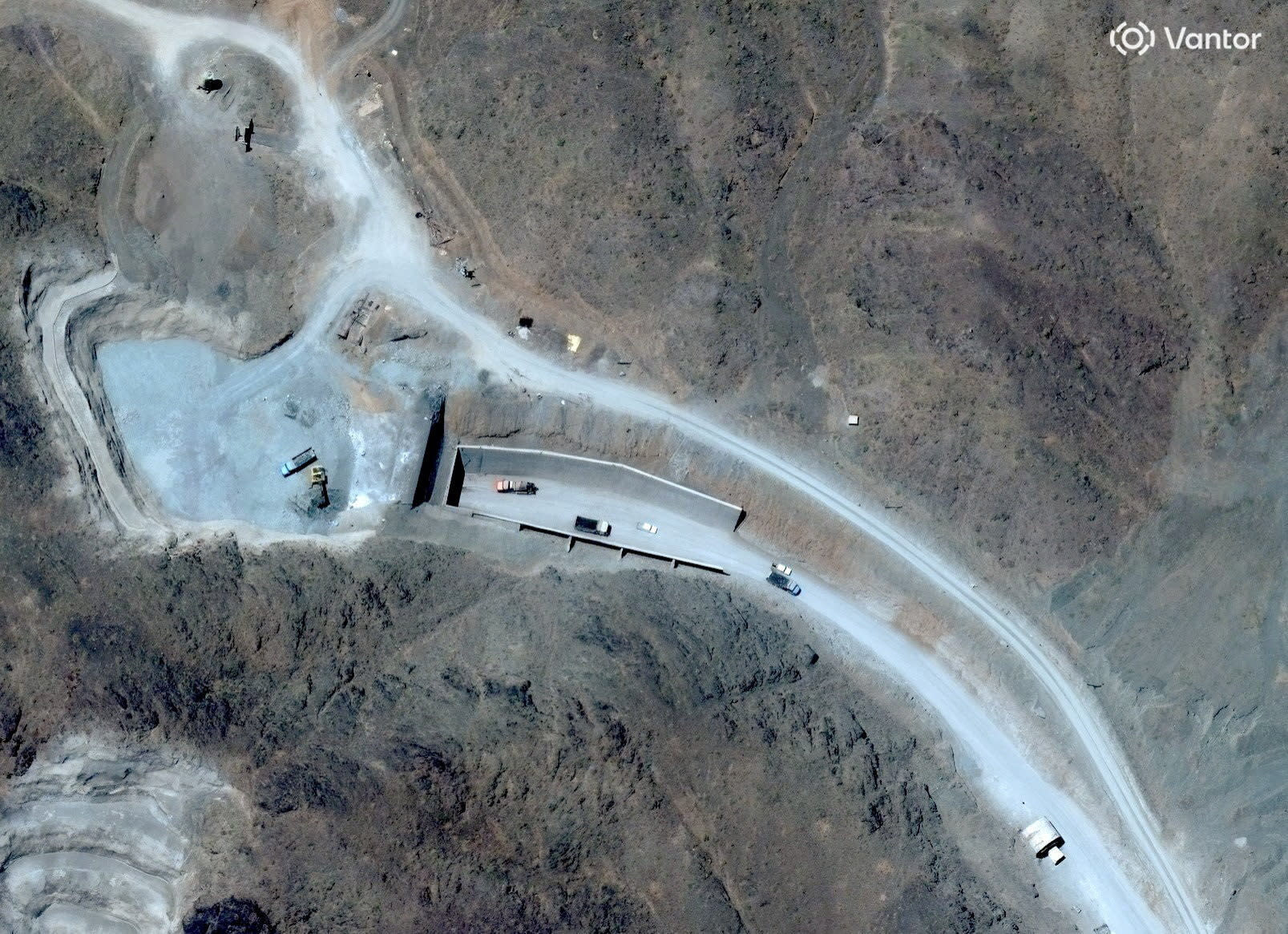
An increasing number of Iranian clerics and officials are pressing Iranian leaders to reverse their pledge not to pursue nuclear weapons, the New York Times reported on Wednesday.
In past decades, Iranian officials have publicly endorsed the fatwa issued by supreme leader Ayatollah Ali Khamenei forbidding the development and use of nuclear weapons.
However, US and Israeli intelligence agencies have reported signs that Iran was enriching uranium to levels close to those needed for a nuclear weapon.
The NYT cited regional analysts as saying Khamenei had hoped to keep Iran's nuclear intentions ambiguous in hopes of deterring attacks on Iran without needing to actually develop a nuclear weapon.
Instead, Israel and the US started the 12-day war in 2025, and then another war in 2026, and Iranians have grown increasingly in favor of having a nuclear weapon as a result.
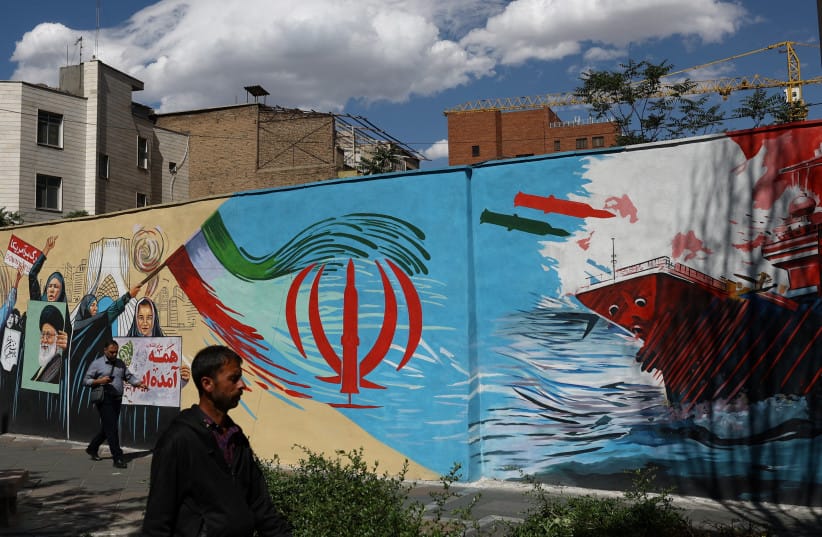
“He created this neither in nor out situation, where they paid for a bomb they didn’t have,” Mohammad Ali Shabani, an Iran analyst who edits the independent regional news site Amwaj.media, told the NYT.
“Now, there is this sense that unless you have this ultimate weapon, you could end up at the mercy of not just the US, but Israel, at any point.”
Politicians call for withdrawal from NPT
Politicians have begun calling for Iran to withdraw from the Treaty on the Non-Proliferation of Nuclear Weapons (NPT). On Saturday, Iranian Supreme National Security Council Secretary Mohsen Rezaei said that Iran's leaders were discussing the nuclear debate.
“No new decision has been made yet,” he said. “Of course, the debate now is whether we want to keep the same doctrine we had before the war, if war breaks out again.”
While advocating for withdrawing from the NPT was once a minority opinion, Mohammad Ghaderi, a foreign affairs expert in Tehran, told the NYT that it has become a majority view.
In addition to the politicians, many religious leaders are also preaching the necessity of nuclear power, despite the late Ayatollah's fatwa.
“The taboo is gone,” Shabani told the NYT. “A religious foundation for the shift is here. The question is whether a strategic or political shift will follow.”
Pezeshkian, Rouhani, back peaceful nuclear doctrine
Some Iranian leaders, including President Masoud Pezeshkian and former president Hassan Rouhani, still back the idea of a peaceful nuclear doctrine, according to the NYT.
Former Iranian diplomat Kourosh Ahmadi warned in Iran's leading reformist newspaper, Shargh, that the pro-nuclear weapon rhetoric coming from prominent leaders "is dangerous because it makes the work of officials trying to prevent another war more difficult.”
Additionally, Ahmadi said, the chances of being attacked while building the bomb would be increased.
However, it is getting increasingly harder for critics of nuclear weapons to justify their position, Sina Toossi, an Iran expert at the Center for International Policy, a Washington-based think tank, told the NYT.
“The central problem for advocates of restraint is explaining what Iran gained from remaining below the nuclear threshold,” he said, adding that a new round of US strikes “could strengthen the very arguments for the nuclear weapons that Washington says it wants to prevent.”
KioskNews shows a cleaned-up reading view extracted from the publisher’s page — the original always lives on their site, not ours.