Second Ebola victim buried under strict safety protocols

Audio By Vocalize
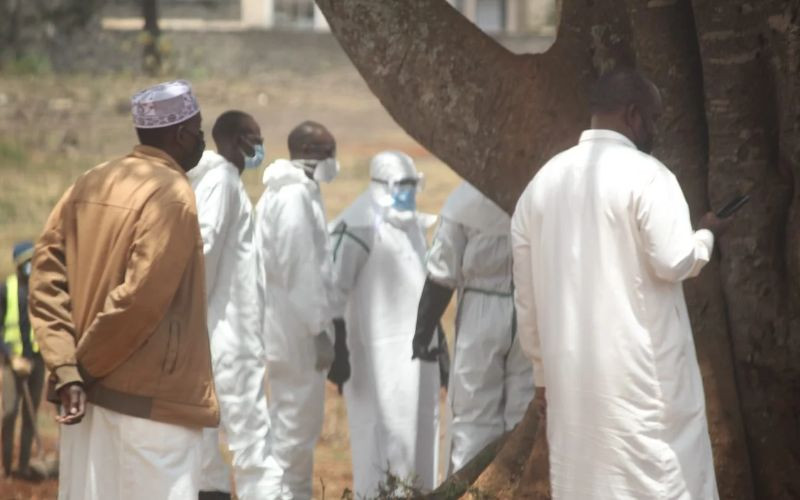
The 65-year-old woman who died of Ebola yesterday has been buried under strict infection prevention measures, as health teams sought to balance Muslim burial traditions with the need to prevent further transmission.
The woman, who died on Friday, October 23, was a close relative of Kenya’s index patient and is believed to have been his mother.
Her burial highlights the delicate challenge of preserving the dignity of the deceased while protecting mourners and burial teams from exposure to the highly infectious virus.
Public health officials wear protective gear, as they prepare for the burial of the second person who died in Kenya following an Ebola infection. Video by Kenya Red Cross https://t.co/SipCZWQUrB — The Standard Digital (@StandardKenya) October 24, 2026
Paul Olale, Public Health in Emergencies Technical Lead at the Kenya Red Cross Society, said cultural and religious practices were respected but could not override safety requirements.
“We are cognisant of customs and burial rites, but for safety, we do not allow them to override safety protocols. Handling the body of a person who died from Ebola virus is one of the highest-risk ways the disease is transmitted,” he said.
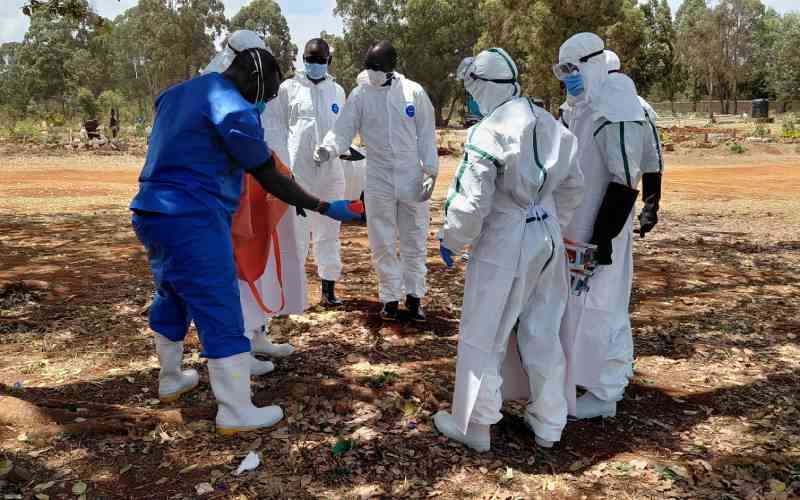
Under safe and dignified burial procedures, trained personnel wearing personal protective equipment disinfect the body and place it in a designated body bag, which is also disinfected. The body is then transported securely to the burial site, where mourners are prohibited from making direct contact.
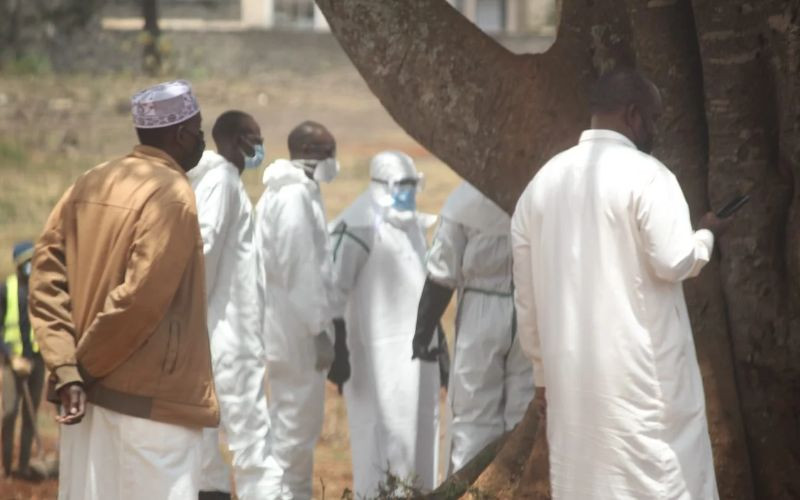
For Muslim burials, teams accommodate religious requirements as far as safety measures allow. This may include wrapping the body in a shroud, known as a kafan, by trained personnel wearing protective equipment. Ritual washing, known as ghusl, may be omitted if it cannot be performed safely because it requires direct contact with the body.
Olale said everyone involved in handling the body, from the time of death to burial, had been trained. Single-use protective equipment was disposed of safely, while reusable equipment and affected areas were disinfected.
The Kenya Red Cross, designated by the Ministry of Health to support safe and dignified burials during public health emergencies, also provides community engagement and psychosocial support to affected families.
Olale urged anyone who may have been exposed to the virus to seek medical attention promptly if they develop symptoms, including fever, sore throat or abdominal pain.
“If you know you travelled to a country with an outbreak, or had contact with someone who travelled out of DRC, and you are exhibiting high fever, sore throat or abdominal pain, you just need to get to the nearest hospital,” he said.
KioskNews shows a cleaned-up reading view extracted from the publisher’s page — the original always lives on their site, not ours.