The 2 Highest-Rated Star Wars Games of the Last 20 Years Released in 2026 and Aren't About Jedi

Randy Rhodes' first gaming memory is Kirby's Adventure on the NES, and his love for gaming only rose from there. Playing games eventually wasn't enough for him. He began following the industry closely. In 2024, he finally started putting that to use by launching the Project Untitled Gaming Podcast and later the Dual-Wield Gaming Podcast. Covering the news week to week turned out to be something he loved, but a weekly show only has so much room in it, and writing was already something he wanted to do more of.
Randy has written for Lords of Gaming since March 2025 and already has over 200 articles published to show for it. His coverage centers on Nintendo, Xbox, and indies, and runs across news, reviews, previews, and editorial. He enjoys writing about and critiquing the games that he's played, but analyzing the industry brings just as much enjoyment for him. He tends to write editorials that try to dig deeper into the news instead of just restating it.
Randy reviews and previews games broadly across all genres. He has a soft spot for co-op games, 3D platformers, and the majority of Nintendo's first-party output, but he also adores cozy and niche titles that don't always get a serious look: visual novels, farming sims, life sims, etc. He's always looking for up-and-coming indie games worth writing about.
Outside of games, Randy is into DnD, cooking, music and music production, which inspired one of his favorite pieces to write: 50 Songs Leveled Up By Video Game Samples. He also cares about Black representation in games and in the industry behind them, and he's always looking for opportunities to cover it.
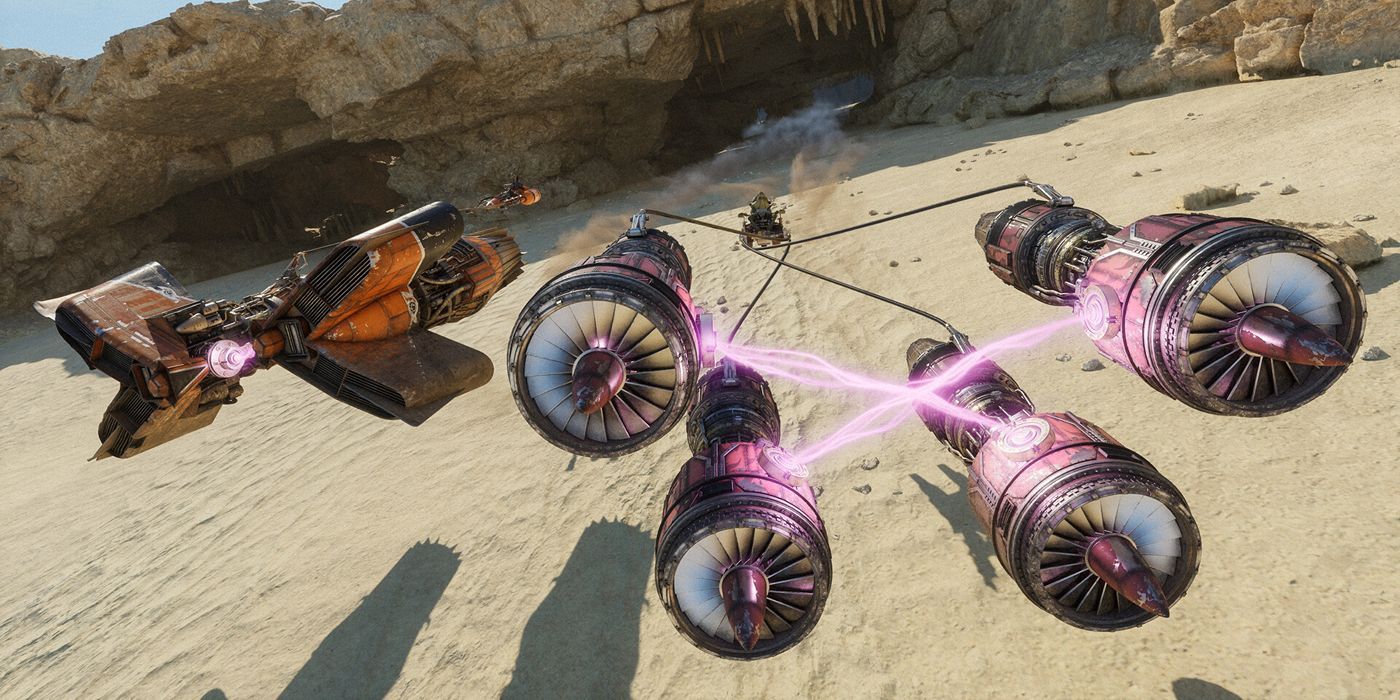
We can admit it: Star Wars fans really love Jedi, and they are especially fun to play as in video games. Jedi: Fallen Order and Jedi: Survivor are recent Star Wars games featuring Jedi Cal Kestis, and they are beloved for their action-packed lightsaber-wielding, Force-powered gameplay. Now in 2026, we have not one, but two Star Wars games that have cleared Respawn Entertainment's Jedi series on Metacritic. Star Wars Zero Company, co-developed by Bit Reactor and Respawn, launched in August to a score of 86. Star Wars: Galactic Racer followed it up this month with an 88, making it the highest-rated Star Wars release since Knights of the Old Republic in 2003. And here's the kicker: neither title stars a Force-sensitive protagonist.
These two games actually share a lot in common. Both are debut releases from brand-new studios built by genre specialists: Bit Reactor, founded by modern XCOM veterans, and Fuse Games, founded by Criterion veterans who worked on the Burnout series. Both teams stuck to the style of game they knew best and brought that expertise into the Star Wars universe. And it worked very well for both games. Lucasfilm Games and Disney moved away from EA exclusivity, and this decision seems to be paying off. These games may never match the sales numbers of EA's biggest Star Wars blockbusters, but they show the franchise can work in many more genres beyond the action-adventure and FPS focus of the last decade.
What really makes 2026's Star Wars releases interesting is how they both rebuild a fractured legacy. Instead of following the tried-and-true formulas already established by past Star Wars titles, Zero Company and Galactic Racer essentially act as revivals of dormant franchises. Bit Reactor and Fuse Games utilized their opportunity to make a Star Wars game to spiritually revive XCOM and Burnout at the same time.
Firaxis released XCOM 2 in 2016, and that was the last mainline entry followed only by the smaller Chimera Squad. Burnout has been dormant for much longer, with Burnout Paradise landing in 2008 right before the studio consolidated into the Need for Speed machine. While the publishers who owned these golden franchises sat on them like a mother goose, the talent behind them left and formed their own studios. Greg Foertsch, art director of the modern XCOM games, left Firaxis to start Bit Reactor and filled it with former colleagues, while Matt Webster, former GM of Criterion Games, started Fuse Games with other Criterion developers who worked on Burnout and Need for Speed.
They weren't recruited to put their spin on Star Wars Outlaws or The Force Unleashed. Bit Reactor and Fuse Games were tasked to do what they do best and bring that to a galaxy far, far away. Star Wars Jedi: Fallen Order and Survivor were great cinematic action-adventure games that took that formula to heights we hadn't seen before. Those games had to have mass appeal and cater to a wider, broader audience in order to succeed. Zero Company and Galactic Racer only had to strike a chord with the niche fanbases who hadn't had a real fix in years.
That's the secret behind these high-scoring titles. Another major boon is that while Burnout and XCOM may have been too niche for today's audience, the Star Wars license brings new fans to the genre that probably would never have touched it otherwise. And it isn't like they just slapped a Star Wars skin on and called it a day; these games meld with the universe perfectly. Zero Company's mercenary group and permadeath mechanics showcase a new side of the Clone Wars, making it feel costly. The lawless Outer Rim is also a natural fit for underground racing in Galactic Racer. Two dead franchises found new life, and Star Wars got two of its best games in 20 years out of the deal.
Among Star Wars Royalty
An 88 and an 86 are remarkable numbers for this franchise, and that places them in reach of some legendary games. There are only four Star Wars games that have the high ground, and that proves how good fans have it in 2026. They were able to pull off a feat that EA couldn't with a decade of exclusivity.
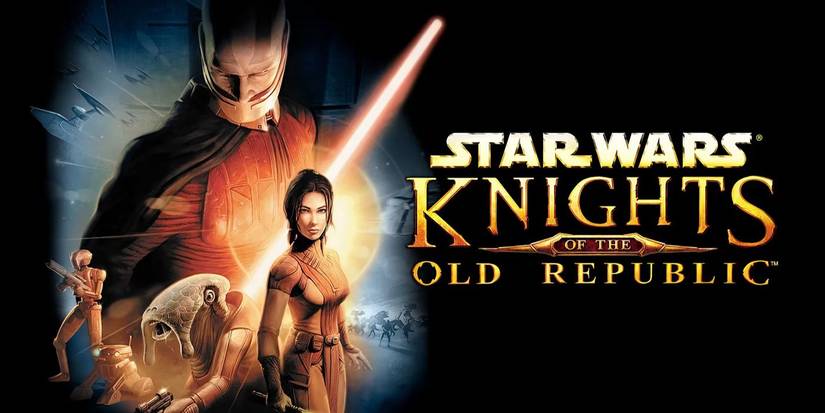
At the top sits Knights of the Old Republic with an impressive 94, and 23 years later it is still the gold standard. A sprawling BioWare RPG set in the Old Republic with one of the best twists in gaming history, it's no wonder it hasn't been dethroned. 1997's Jedi Knight: Dark Forces II holds a 91; it's an amazing first-person shooter that introduced first-person lightsaber combat and Force abilities. Rogue Squadron II: Rogue Leader earned a 90 as a GameCube launch title and remains the definitive Star Wars flight experience. Jedi Knight II: Jedi Outcast rounds it out at 89 with the best Jedi combat gaming has ever witnessed.
That is the collective Galactic Racer now sits directly beneath, one point behind Jedi Outcast and ahead of everything else the license has produced in two decades. Zero Company isn't far behind, tying Knights of the Old Republic II at 86. For both games to be debut launches from fresh studios, being in that conversation is extraordinary.
Star Wars Zero Company and Star Wars: Galactic Racer prove something the franchise seemed to forget: this galaxy is vast enough to tell unique stories without relying on the greatest hits. A tactics game about an expendable mercenary outfit and an arcade racer around underground syndicates have nothing to do with Jedi or the Skywalkers, and they're now the franchise's highest-rated games in over 20 years. That doesn't mean Jedi games are bad, far from it, in fact. Jedi: Survivor is an excellent game, and the next one will likely be too. The lesson is that it's time to take Star Wars gaming in new directions, and Lucasfilm Games seems to be figuring that out as well. The franchise can work in just about any genre, so I hope to see this trend continue until Star Wars reaches every genre imaginable.
KioskNews shows a cleaned-up reading view extracted from the publisher’s page — the original always lives on their site, not ours.