The Only 4 James Bond Movies That Are Genuinely Hard To Rewatch

Senior Music Editor at Screen Rant, Sarah's love of sound and story drive the beat. A globetrotting brand whisperer and award-winning journalist, she’s built cross-cultural narratives around the world—but music has always been her true north. She launched DJ Mag North America, successfully introducing the iconic UK brand to the U.S. market. Previously, she carved a space for EDM inside the pages of VIBE, blending electronic and hip-hop culture long before it was trendy.
James Bond has survived some spectacularly bad movies over the past six decades. The British secret agent has battled villains with absurd plans, escaped situations that defy every known law of physics, and delivered questionable one-liners without so much as wrinkling his tuxedo. Somehow, most of his adventures remain entertaining anyway.
That's part of the franchise's peculiar appeal. A disappointing Bond movie can still feature an excellent villain, a spectacular stunt, or an unforgettable theme song. Even the ridiculous Moonraker, which sends Roger Moore into outer space, has enough outrageous entertainment to warrant another viewing.
However, a handful of installments are considerably harder to defend. Some attempted to reinvent the franchise without understanding what made it successful, while others became so preoccupied with elaborate action that they neglected basic storytelling. Not even a license to kill can rescue a movie from being painfully dull.
The distinction matters because the worst James Bond movies aren't necessarily the least rewatchable. An absurd adventure can be tremendous fun when it embraces its own silliness, while an expensive, technically accomplished production can become exhausting when its plot doesn't hold together.
For this selection, only the 25 official James Bond movies produced by Eon Productions qualify, excluding the independently produced Casino Royale (1967) and Never Say Never Again (1983). The deciding factors are pacing, storytelling, performances, and whether the individual pleasures justify sitting through the entire adventure again.
These four movies have their defenders, and even their weakest moments occasionally offer something worthwhile. Unfortunately, their shortcomings tend to become more apparent with every viewing, making them unusually difficult to revisit.
A View To A Kill (1985)


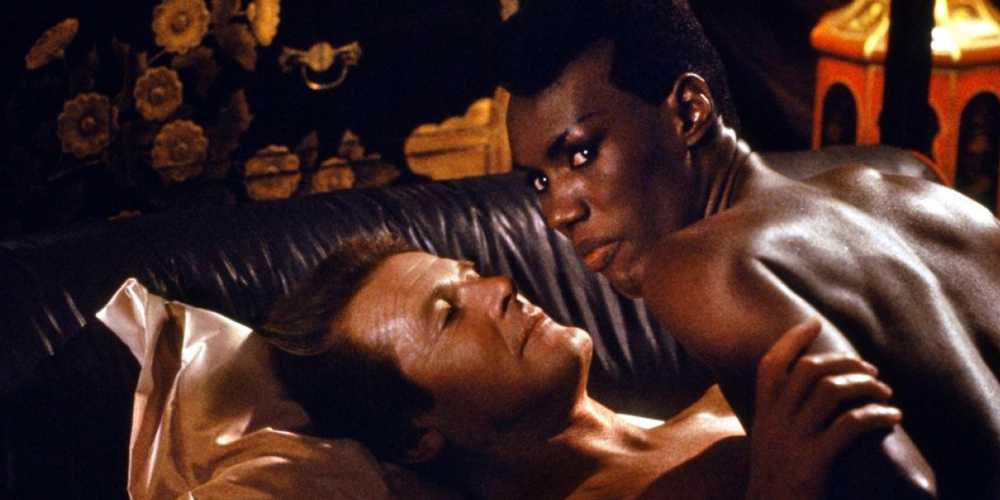
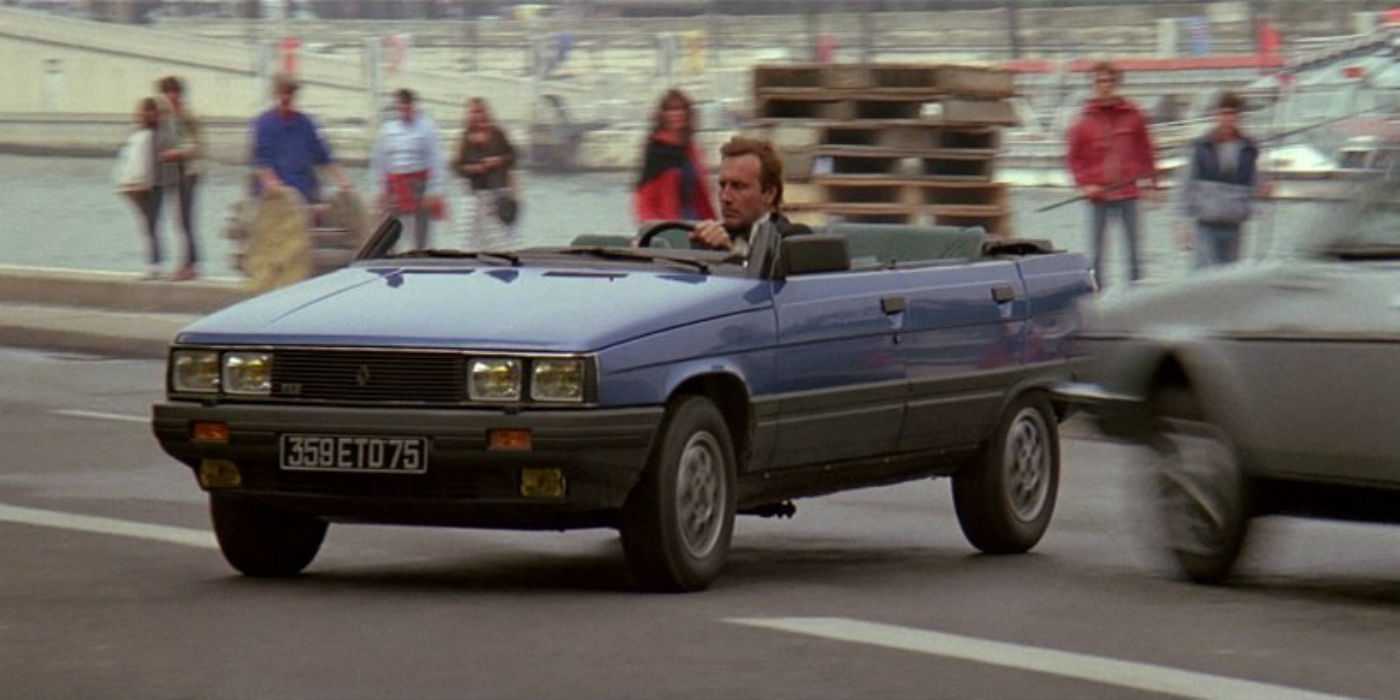
Roger Moore deserved a better farewell to James Bond. By the time A View to a Kill arrived in theaters, the actor was 57 and making his seventh appearance as 007. His age wasn't necessarily the problem, but the movie's determination to pretend nothing had changed certainly was. Moore's increasingly obvious stunt doubles and uncomfortable romantic encounters with considerably younger women make the film feel like a franchise refusing to acknowledge that its leading man had reached a different stage of his career.
The story follows Bond as he investigates Max Zorin (Christopher Walken), a billionaire industrialist plotting to destroy Silicon Valley and seize control of the global microchip market. Walken gives the villain an enjoyably unhinged personality, while Grace Jones makes an unforgettable impression as his formidable henchwoman, May Day. Unfortunately, neither receives enough worthwhile material to overcome the screenplay's considerable weaknesses. The action frequently feels tired, the humor lands awkwardly, and Tanya Roberts' Stacey Sutton spends an extraordinary amount of time shouting for James.
The movie has its pleasures, particularly Duran Duran's excellent theme song and an ambitious confrontation atop the Golden Gate Bridge. Yet they're separated by long stretches of surprisingly lifeless storytelling. With a 36% Rotten Tomatoes score, A View to a Kill remains the lowest-rated official Bond movie on the Tomatometer. Moore's natural charm occasionally shines through, but even that isn't enough to make his final adventure an appealing proposition for repeat viewing.
Quantum Of Solace (2008)
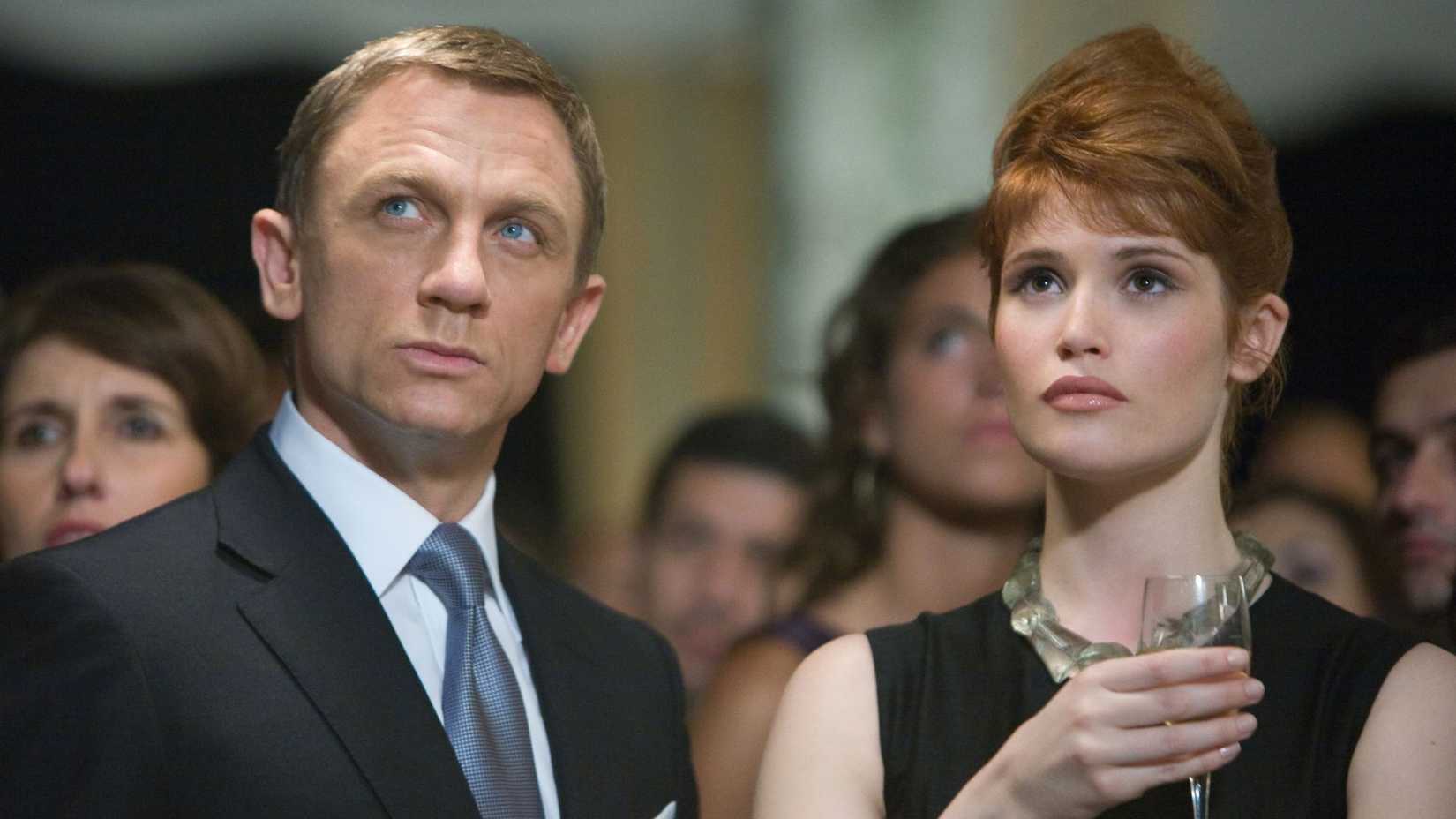
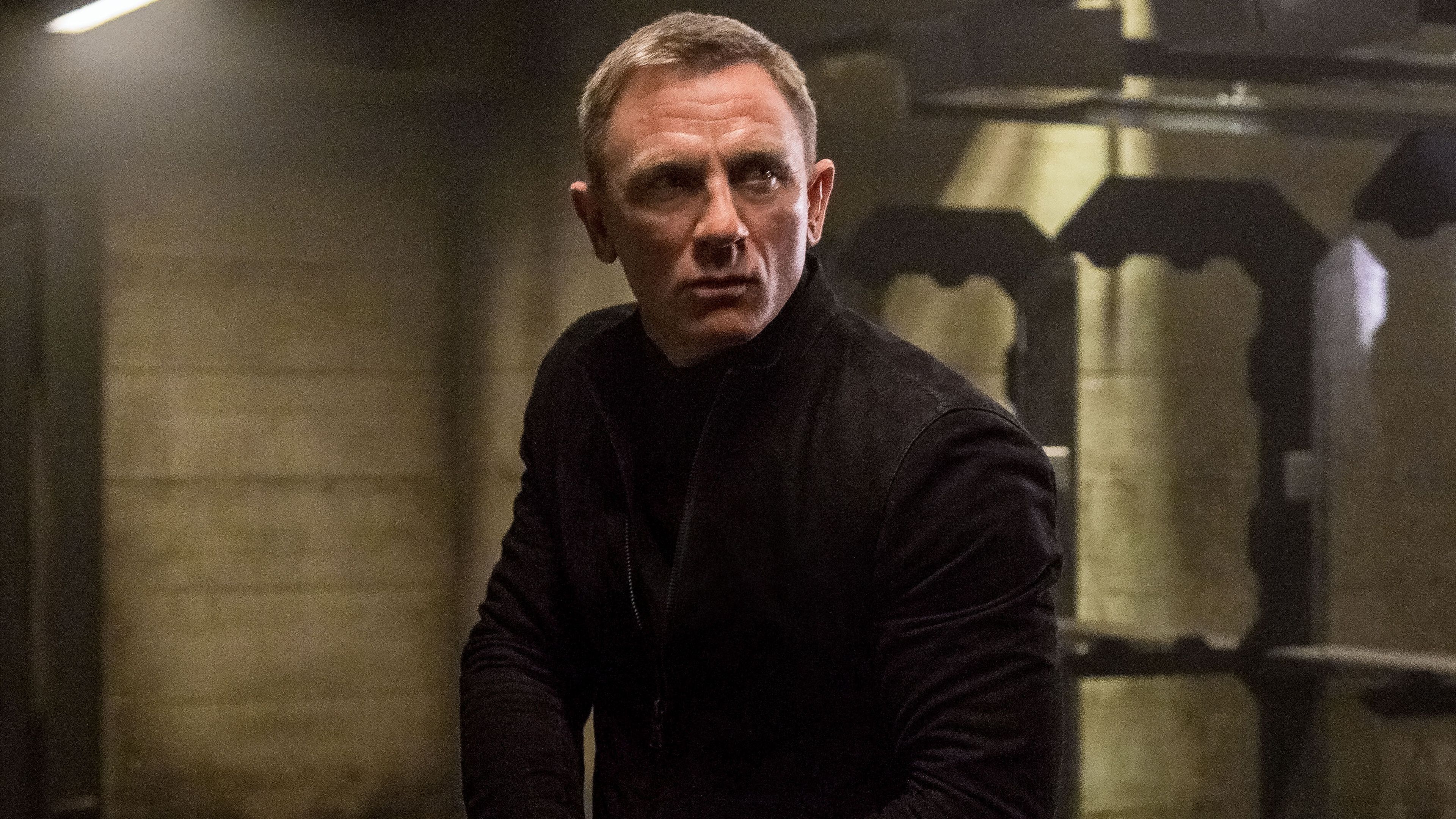
How do you follow one of the greatest James Bond movies ever made? Apparently, by taking almost everything that worked about it and replacing it with frantic editing. Marc Forster's Quantum of Solace arrived just two years after Casino Royale brilliantly reinvented 007 for a modern audience, yet Daniel Craig's second outing feels like a considerably less assured production.
The movie continues almost immediately after its predecessor, following Bond as he investigates the mysterious organization connected to Vesper Lynd's death. His pursuit leads him to Dominic Greene (Mathieu Amalric), a businessman scheming to control Bolivia's water supply. That's an intriguing premise for an espionage thriller, particularly given the political implications of manipulating essential natural resources. Unfortunately, Greene is a remarkably forgettable antagonist, while the film's increasingly convoluted narrative makes it difficult to remain invested in his activities.
The action is an even greater frustration. Forster employs an aggressive combination of handheld camerawork and rapid cutting that frequently makes it difficult to understand what's happening. Car chases, rooftop confrontations, and elaborate fights become exercises in visual confusion. Even genuinely impressive stunt work loses much of its impact when the editing barely allows viewers to appreciate it.
The troubled production, affected by the 2007–2008 Hollywood writers' strike, helps explain some of the screenplay's shortcomings. Craig still delivers a compelling performance, particularly when Bond's grief and anger briefly emerge beneath his relentless determination. Olga Kurylenko also brings welcome intensity to Camille Montes, whose personal mission offers an interesting parallel to Bond's. Yet the movie rarely allows those elements enough room to develop. At just 106 minutes, Quantum of Solace is one of the franchise's shortest installments, but its relentless pace somehow makes it feel considerably longer.
Spectre (2015)

Spectre opens with one of the most impressive sequences in James Bond history. Director Sam Mendes follows 007 through Mexico City's Day of the Dead celebrations before an elaborate helicopter confrontation turns the festivities into spectacular mayhem. It's a thrilling introduction that suggests another exceptional adventure following the enormous success of Skyfall. Unfortunately, the remaining movie struggles to maintain anything approaching that level of excitement.
Daniel Craig's Bond investigates a mysterious criminal organization, eventually discovering that its leader is Ernst Stavro Blofeld (Christoph Waltz). The revelation should have provided an extraordinary moment for the franchise, particularly given Blofeld's importance to Bond history. Instead, the screenplay makes the baffling decision to reveal that the villain was Bond's foster brother, Franz Oberhauser, while attempting to connect nearly every major antagonist from Craig's previous adventures to his elaborate conspiracy.
The result is a frustrating exercise in retroactive storytelling. Rather than making the earlier films more meaningful, the revelations diminish the independence of their villains and transform Bond's complicated history into an unnecessarily personal feud. Waltz is a tremendous actor, but his Blofeld lacks the menace or unpredictability that should define such an important character. The romance between Bond and Madeleine Swann (Léa Seydoux) is equally unconvincing, particularly considering how much emotional significance the screenplay eventually places upon their relationship.
At 148 minutes, Spectre frequently feels as though it's confusing elaborate production values with compelling filmmaking. The cinematography is beautiful, the locations are spectacular, and Craig remains an imposing presence, but the movie's increasingly sluggish pacing becomes difficult to ignore. Even its impressive action sequences struggle to compensate for an overcomplicated screenplay. Spectre is particularly frustrating because so much talent and money went into producing a Bond adventure that offers so little incentive to watch it again.
Die Another Day (2002)

Few Bond movies begin with such an intriguing premise and then squander it quite so spectacularly. Pierce Brosnan's fourth and final outing opens with 007 captured in North Korea, where he spends 14 months imprisoned and tortured. His eventual release leaves him physically battered and professionally compromised, suggesting a darker adventure that might finally challenge Brosnan's effortlessly sophisticated interpretation of the character. For a while, Die Another Day seems genuinely interested in exploring that possibility.
Then the invisible Aston Martin arrives.
Lee Tamahori's movie gradually abandons its promising opening in favor of increasingly preposterous spectacle. Bond encounters Gustav Graves (Toby Stephens), a billionaire whose elaborate scheme involves a devastating satellite weapon, while Halle Berry's Jinx becomes his latest intelligence-agent ally. There are genetically altered identities, an enormous ice palace, and a notorious sequence in which Bond surfs a computer-generated wave using a makeshift parachute. The franchise had certainly embraced absurdity before, but rarely with such spectacularly unconvincing results.
Some of the film's individual elements work. Rosamund Pike is entertaining as Miranda Frost, and the elaborate fencing confrontation between Bond and Graves offers an unusually physical challenge. Brosnan also remains a charismatic leading man, making the film's determination to bury him beneath ridiculous gadgets and increasingly excessive effects particularly unfortunate. The action often resembles an expensive video game, while the dialogue struggles to provide the sophisticated humor that helped define earlier Bond adventures.
Die Another Day was a major commercial success, but its reception helped expose the creative limitations of the franchise's increasingly exaggerated approach. Four years later, Casino Royale would introduce Daniel Craig in a radically different interpretation, returning Bond to a more grounded world of physical danger and complicated emotional consequences. That reinvention makes Die Another Day even harder to revisit today. It's a movie that begins by promising to take James Bond somewhere new, only to become an exhausting collection of the franchise's worst habits. Even Brosnan's considerable charm couldn't save it.

- Release Date
- November 22, 2002
- Runtime
- 133 minutes
- Director
- Lee Tamahori
- Writers
- Neal Purvis, Robert Wade
- Producers
- Barbara Broccoli, Michael G. Wilson
KioskNews shows a cleaned-up reading view extracted from the publisher’s page — the original always lives on their site, not ours.