Laos private jet bust reveals how Mekong meth slips past borders
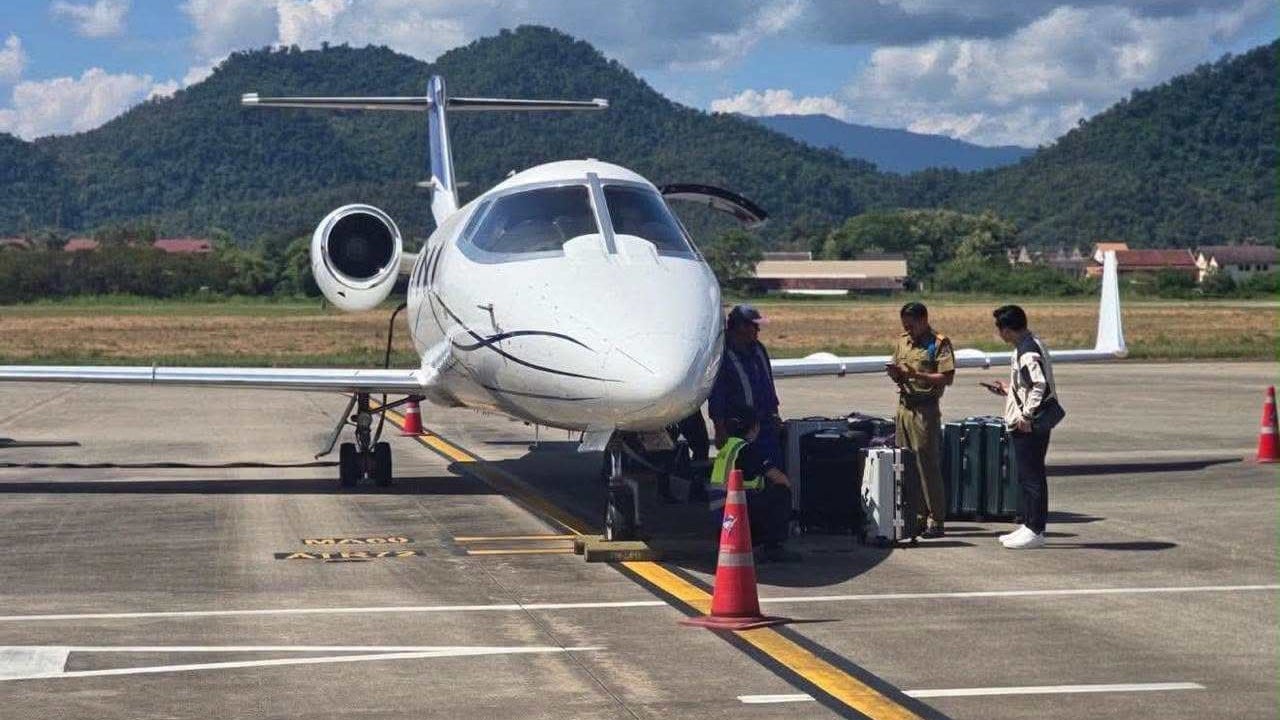
A private jet hired from Malaysia – seemingly destined for the Philippines – but stopped on the tarmac by Laos’ drug police who found suitcases stuffed with 512kg of crystal methamphetamine, has returned the spotlight to the unrelenting flow of narcotics from the Mekong’s drug laboratories.
Cyberscams have dominated headlines and authorities’ attention across Southeast Asia for over a year as the leading criminal enterprise worth tens of billions of dollars annually.
But methamphetamine – in its high potency crystallised form, or the cheaper caffeine-cut yaba pills – still stalks the region, spewing out mainly from Myanmar to Southeast Asia and then onto lucrative markets further afield in Australia, New Zealand and Japan.
On October 1, Luang Prabang airport in northern Laos came under scrutiny as a new potential narcotics route when drug police found nearly two dozen suitcases stuffed with crystal meth.
Officers arrested 13 people, including a Filipino national believed to be central to the smuggling plot, a Singaporean pilot and a co-pilot from Malaysia, state media reported six days later.
A Philippine Inquirer report on October 8 said the jet was destined for the country, but police stressed that the final destination of the drugs was subject to further investigation. Officers conceded, however, that Filipinos were involved in the transnational smuggling attempt.
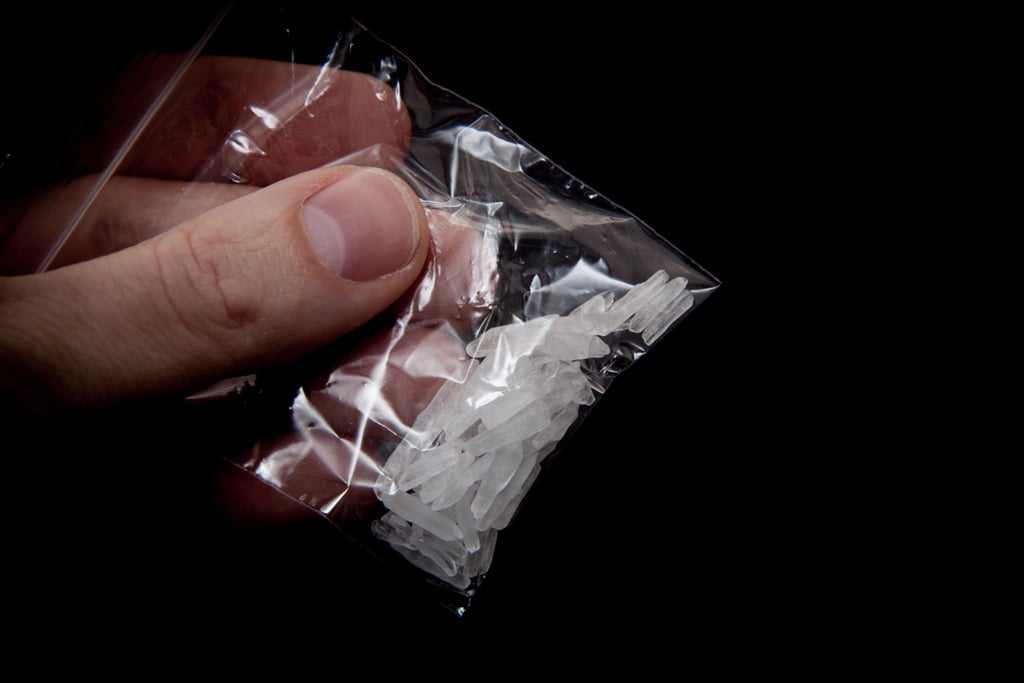
The volume of drugs transported by aeroplane has caught the attention of regional narcotics police, sparking a multi-country investigation and spotlighting how sophisticated drug networks rotate through vulnerable ports, airports and roads to open borders.
Reports of drug flights from the Golden Triangle – the area that crosses Myanmar, Laos, northern Thailand and China – are rare. Shipments of crystal meth, known as Ice in Thailand and shabu in the Philippines, are normally routed by sea.
Isagani Nerez, director general of the Philippine Drug Enforcement Agency, on Monday told reporters that one of the suspects was a Filipino known as “Fahad” and that they had been tipped off to a potential smuggling operation via private jets from Laos.
As the three nations involved began to attempt to unspool the trafficking effort, Malaysian drug police said the Learjet N73GP had left their country empty in late September.
“The aircraft concerned had been chartered for US$49,500,” Bukit Aman’s Narcotics Criminal Investigation department said in a statement, adding it had detained the aircraft owner who leased the plane for charter and three other people for questioning at Sultan Abdul Aziz Shah Airport in Subang.
The scandal has prompted the Civil Aviation Authority of Malaysia (CAAM) to look into how the private jet hire became part of an international drug smuggling attempt.
Norazman Mahmud, CEO of CAAM, told This Week in Asia the aviation body “will assess whether additional measures or enhanced coordination with relevant agencies are necessary to address any regulatory or operational gaps identified”.
It is unclear so far where the seized drugs originated from.
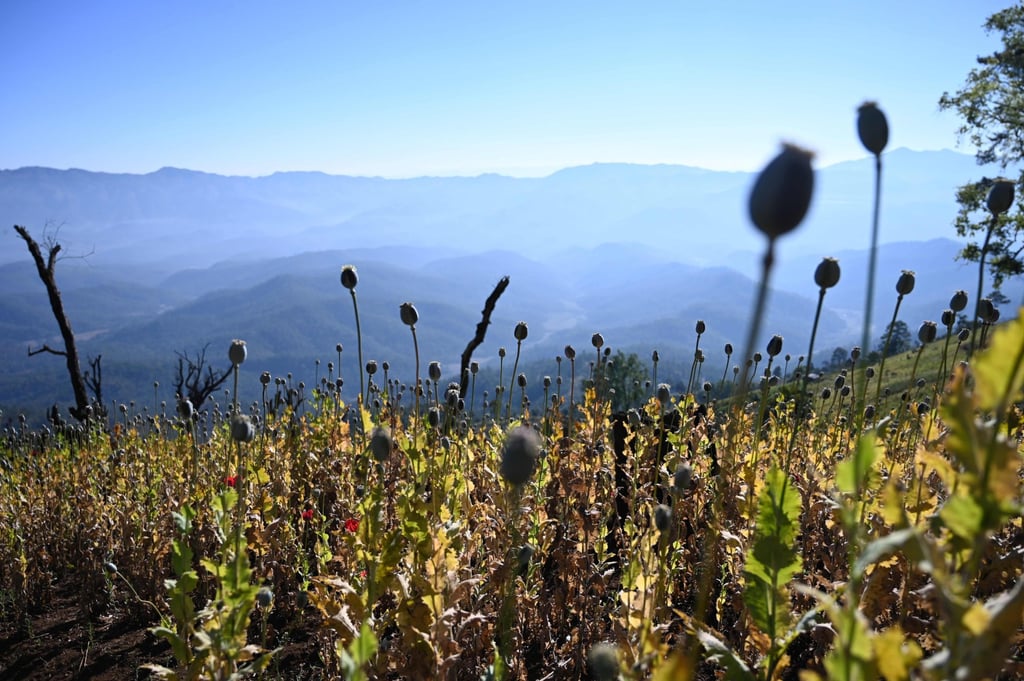
Myanmar, tossed into a vortex of war and lawlessness, remains the top producer of methamphetamine, certainly in Asia if not the world – as well as the globe’s biggest grower of opium poppies that make the base for heroin.
With long, unpoliceable borders with Myanmar’s drug-producing Shan state, Laos is a key passageway to the wider global market for Myanmar’s meth lords.
But Laos is also a producer – a conduit for precursor chemicals into Myanmar – and a manufacturing base for a range of other synthetic party drugs including ketamine.
Drugs from Myanmar and Laos mostly transit south through Thailand, which acts as one of the world’s largest drug warehouses and as a corridor to Malaysia, or for shipping further away to the Philippines, Australia and Japan.
But drug experts say routes are fluid and move with enforcement.
“Myanmar remains the main methamphetamine production centre in Southeast Asia but the wider synthetic drug production infrastructure clearly extends across the region,” Ioannis Vlassis of the Global Initiative against Transnational Organised Crime told This Week in Asia.
“When controls tighten along the Myanmar–Thailand border, the Laos corridor absorbs some of that traffic,” he said, adding land routes had shown signs of shifting east into Vietnam and south into Cambodia for onward shipping.
But drug production has boomed beyond Myanmar in recent years and now goes beyond meth, into the new party drugs favoured from Bangkok and Kuala Lumpur to Ho Chi Minh City and Hong Kong.
A record bust last year in Nha Trang, Vietnam, found 1.4 tonnes of ketamine and 80 tonnes of precursor chemicals, while an etomidate production lab for wildly popular “zombie” vapes was discovered in Thailand’s Chonburi province in May.
01:46
Thai military showcases gutted town-sized scam complex on Cambodian border
Vlassis said there was a “major overlap” between Mekong cyberscam and drug trafficking operations, with both crime enterprises using the same “protection providers, corrupt officials, transport connections, front businesses and channels for moving money”.
Border areas around Tachilek, the Golden Triangle Special Economic Zone in Laos and Mae Sot in Thailand revealed overlapping interests, he said, although “the same actors” were likely not running scam compounds as well as major drug operations.
Mekong crime gangs with deep networks that can buy chemicals and transport, bribe corrupt officials to open borders, and easily absorb the losses of massive seizures, continue to target the richest drug markets in Asia – Australia and New Zealand, whose distance pumps up the price of narcotics.
“Bulk loads can travel on fishing boats and smaller commercial vessels, while passenger and parcel channels carry smaller consignments,” said Vlassis, who co-wrote a report published in September on the Mekong meth trade.
“For Australia and New Zealand, this means that efforts to identify and disrupt upstream supply need to account for multiple departure points and transport methods across the region.”
KioskNews shows a cleaned-up reading view extracted from the publisher’s page — the original always lives on their site, not ours.