From Versailles to Punjab: Can Kapurthala save its Royal Heritage?
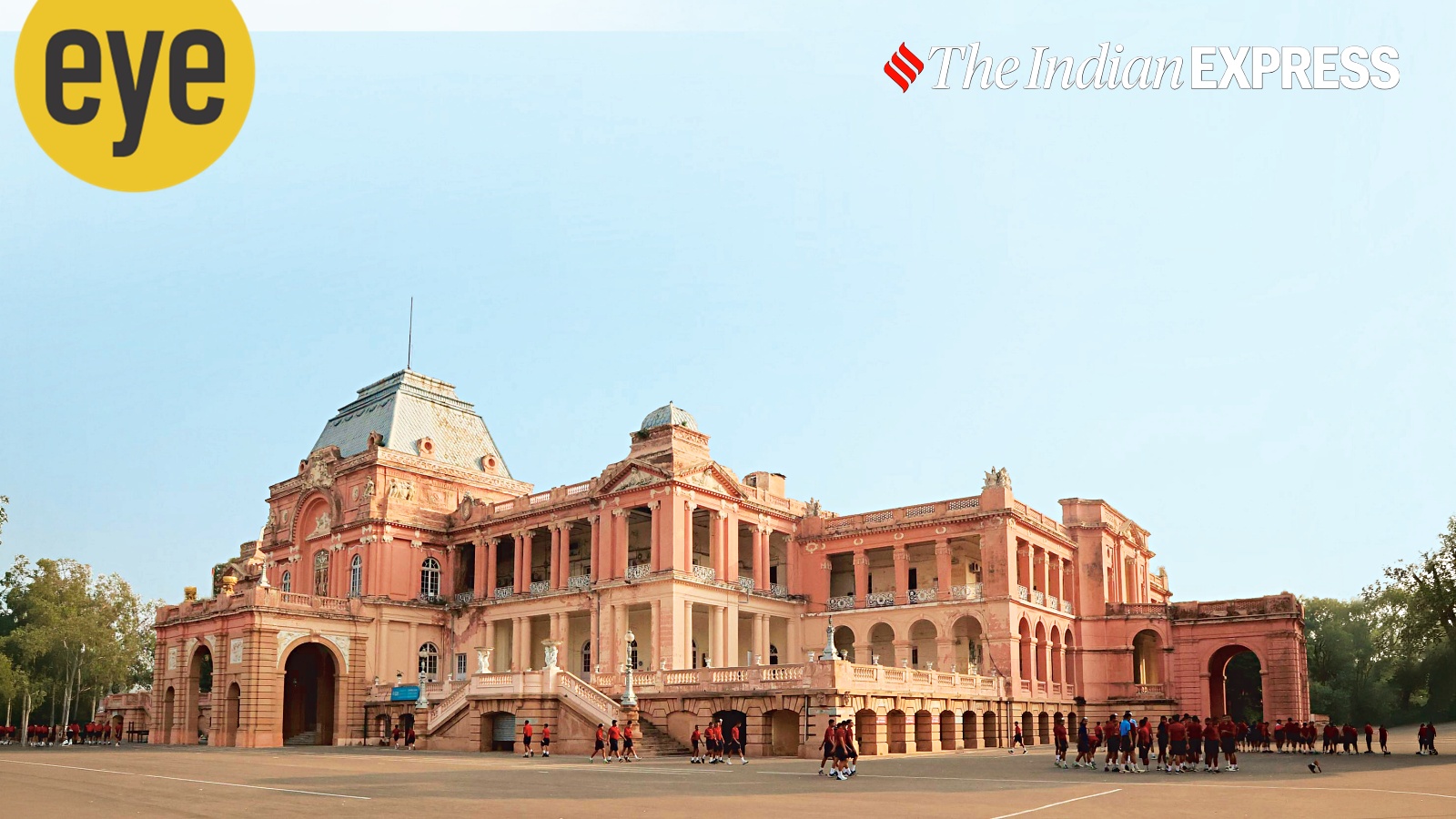
A small piece of coloured glass falls from the ceiling. A pigeon flutters in. Inside Jagatjit Palace, Kapurthala, Punjab, the stained-glass dome still catches the light, the frescoes hint at another age and the European furniture carries memories of a court that once spoke French. Designed by French architects and modelled on the Palace of Versailles and the Château de Fontainebleau, the palace was completed in 1908 as the pride of the city, once called the Paris of Punjab. Today, it houses Sainik School Kapurthala. Every year, a room closes. The palace had 50 rooms and the estate sprawled over 250 acres. The once-grand library is shut. The palace has become a beautiful patient in decline.
As Kapurthala approaches the 150th anniversary of Maharaja Jagatjit Singh’s accession in 2027, the city is caught between unplanned growth and crumbling heritage buildings. Efforts to revive them are under way but they remain fragile.
The Prince of all Things French
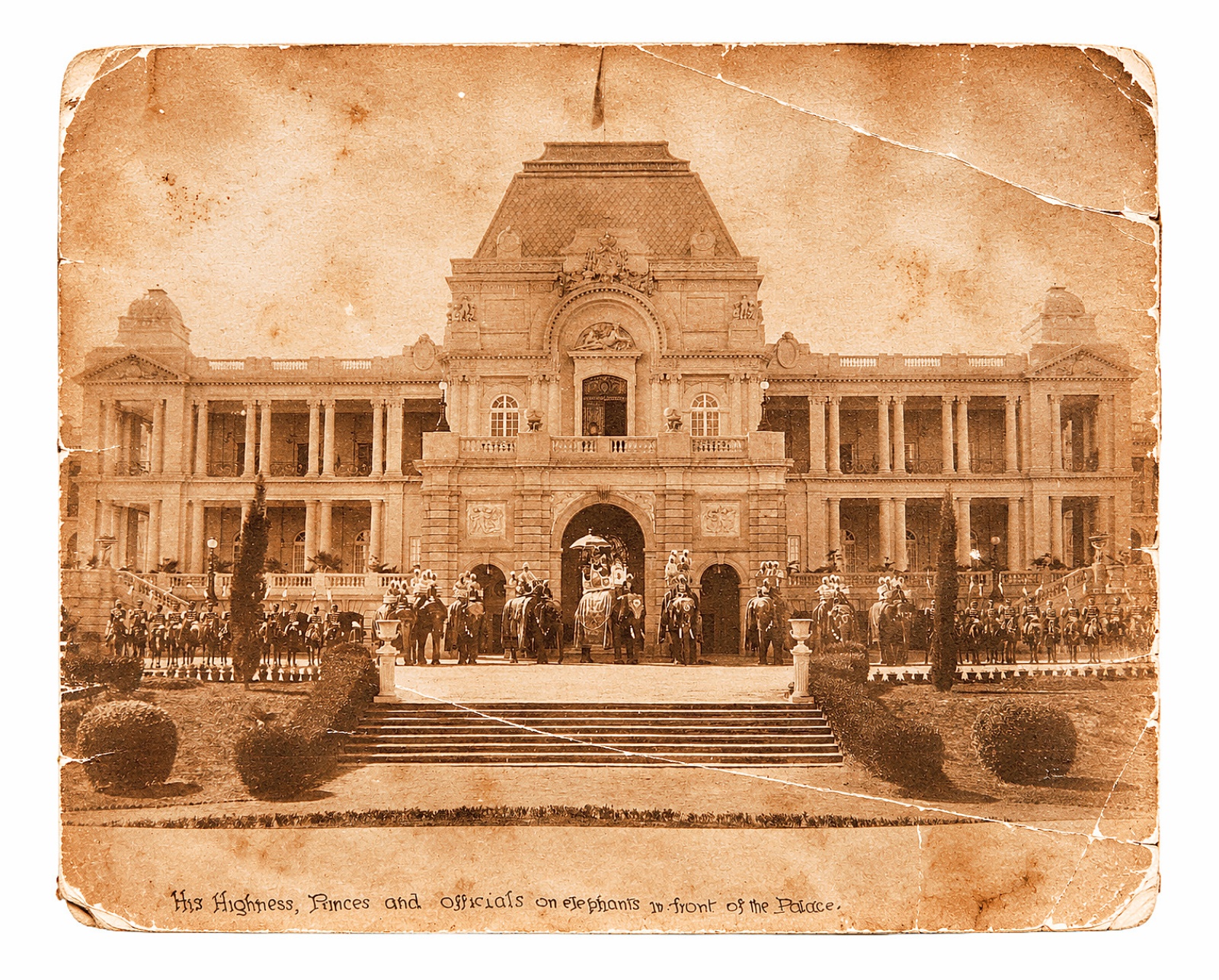 An archival photo of the palace (Photo Credit: Cynthia Meera Frederick)
Maharaja Jagatjit Singh, who ruled from 1877 to 1949, was among India’s most Francophile princes. Introduced to French through geography and language lessons as a teenager, he arrived in Paris at 18, already fluent. By his mid-20s he had decided to rebuild Kapurthala with French architects and workers. Work on the palace began in the early 1900s.
Much to British displeasure, given the rivalry with France, he fashioned his state into a French outpost. French replaced Punjabi and Urdu as the court language. Palace guards and staff wore French uniforms. Chefs trained in French cuisine at the Ritz in Paris. Cartier in Paris remounted the royal jewels, including an emerald for the Maharaja’s turban. Brigadier Sukhjit Singh (retd), the 92-year-old ninth titular Maharaja of Kapurthala, who spent his childhood at the palace, says that at the dining table, everyone was expected to converse in French, including his cousin Arun Singh, who decades later became a Rajya Sabha MP and helped bring the Rail Coach Factory to Kapurthala in 1985.
 Moorish Mosque (Express photo by Jasbir Malhi)
The Maharaja’s ambitions went beyond architecture and etiquette. In 1918, he became the first ruler in Punjab to introduce free and compulsory education. He encouraged co-education and dedicated healthcare facilities for women. The drainage system he built, with drains six feet deep and up to six feet wide, reportedly functioned until relatively recently. “We never had waterlogging until encroachments became the norm,” says Jasmine Sandhawalia, who grew up in the city.
Sukhjit says that his grandfather’s meritocratic outlook is often overshadowed by the buildings. “He was a just ruler who did not believe in hearsay. He wanted people to participate in the kingdom, so he set up a council for decision-making.”
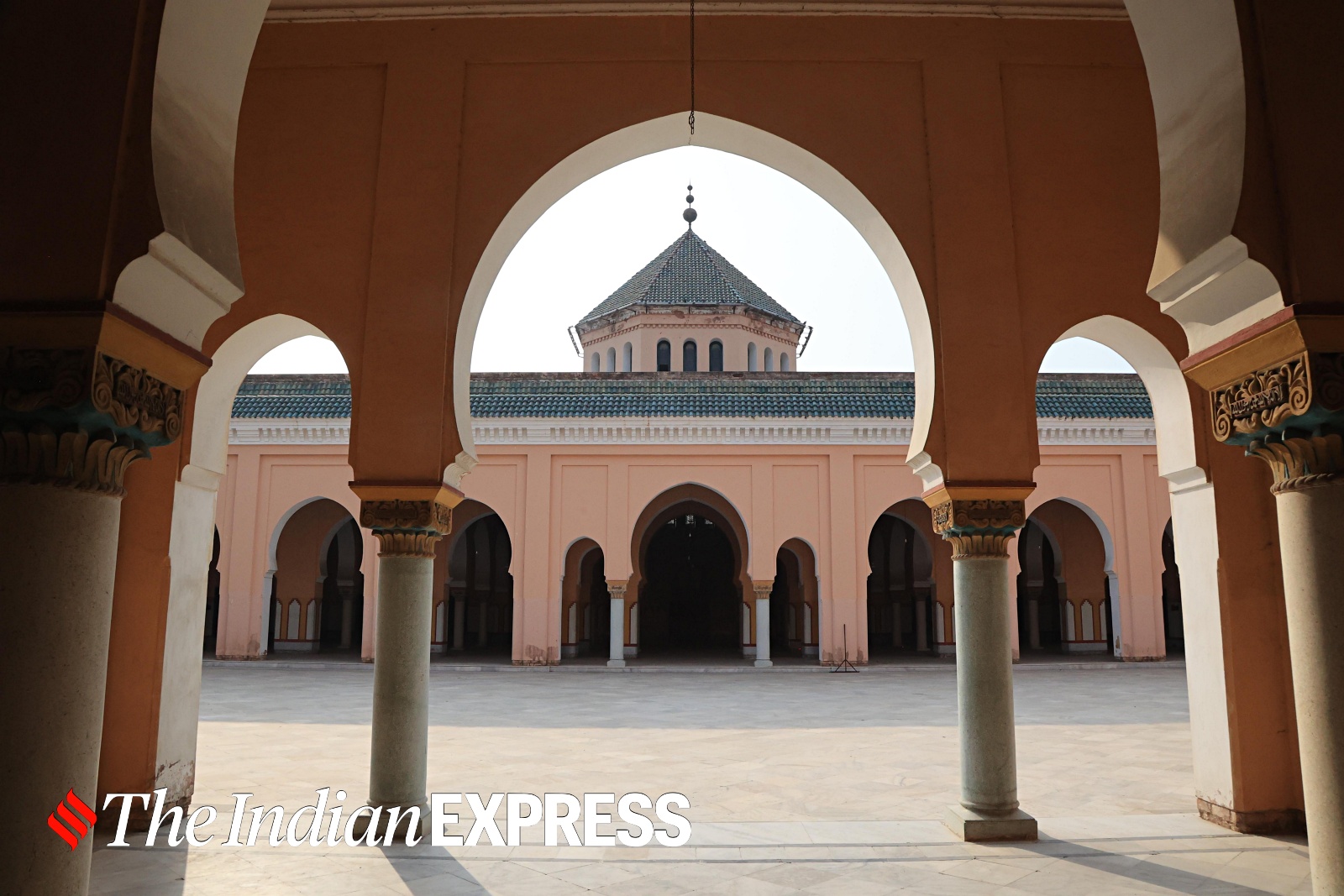 The historic Moorish Mosque in Kapurthala, a magnificent architectural landmark commissioned by Maharaja Jagatjit Singh, reflects the city’s rich heritage as the ‘Paris of Punjab’. (Express photo by Jasbir Malhi)
The most striking expression of that inclusive outlook remains the Moorish Mosque. It was commissioned for the state’s Muslim residents, who formed about 60 per cent of the population. It was designed by French architect M Manteaux and modelled on the Kutubiyya Mosque in Marrakesh. Built between 1926 and 1930, its inner glass dome was decorated by artists from Lahore’s Mayo School of Arts. When the Viceroy questioned the expense, the Maharaja reportedly replied that his loyal Muslims citizens deserved the finest place of worship. A marble plaque records that the congregation numbered over a lakh.
Story continues below this ad
“There were no riots in the city ever. The chief minister was a Muslim,” says senior advocate Mukul Dev, whose family has lived in Kapurthala since 1814.
Rupture and decline
The rupture began with Partition. Sukhjit estimates that Kapurthala lost nearly 60 per cent of its population in 1947. Those who arrived were refugees who had lost their homes and had to rebuild their lives. For the next three decades, survival took precedence.
“People were rebuilding their lives, finding jobs to look after their families. They were not bothered about their surroundings,” he says. By the time people began asking questions about the history of the heritage buildings, considerable damage had already been done.
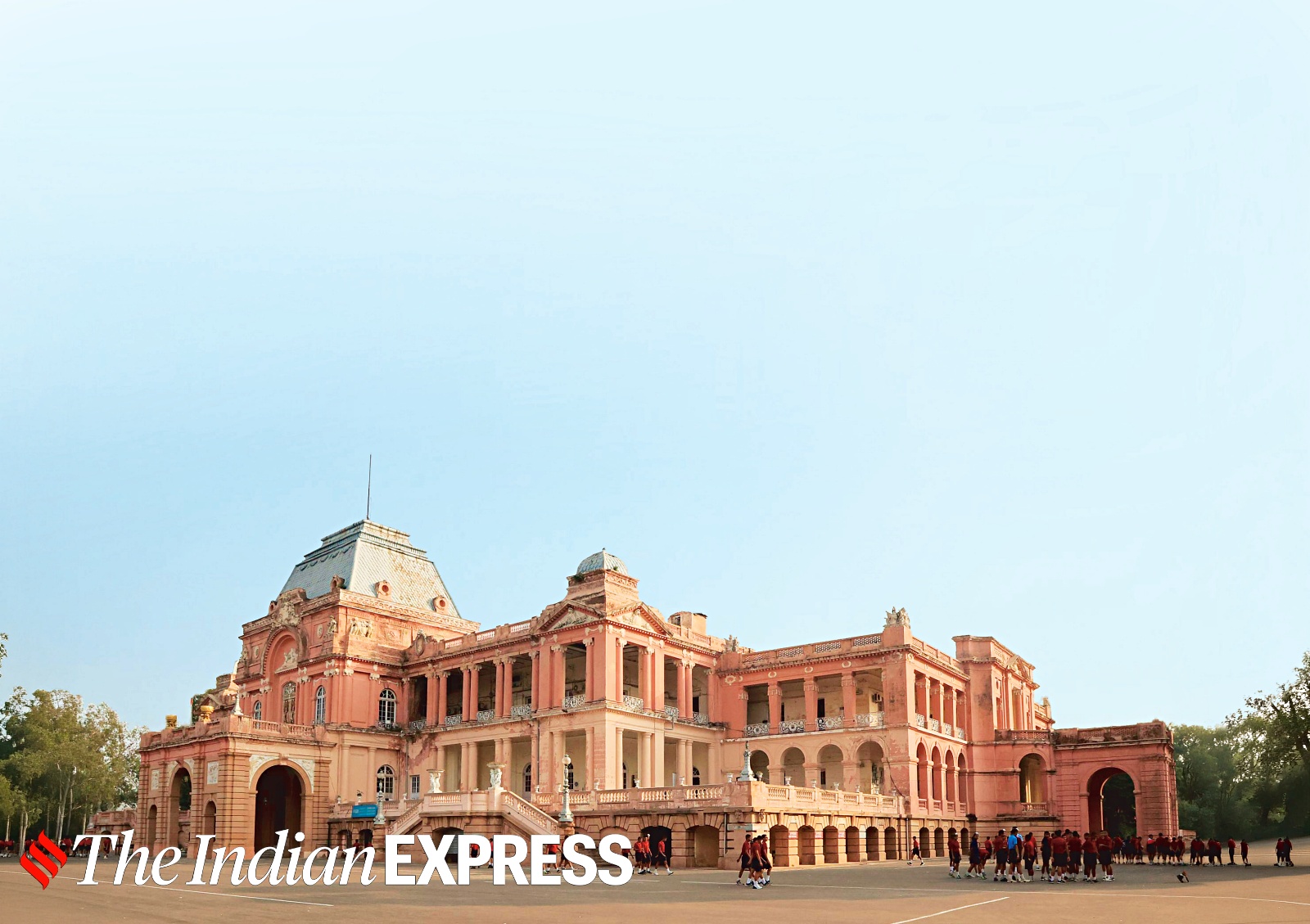 Jagatjit Palace (Express photo by Jasbir Malhi)
Financial strain forced the royal family to sell Jagatjit Palace to the Defence Ministry in 1961, where the Sainik School now operates. The decision was driven by prohibitive taxes and the cost of maintaining such a vast property. The palace which once had around hundreds looking after it was down to a handful. Today, the building is caught between politics and bureaucracy of the Punjab government and the Defence Ministry. Funds may be allocated on paper, says Sukhjit, but are often spent on other heads. Maintaining a historic palace and its artefacts cannot simply be left to a school principal whose primary responsibility is education, says Sukhjit.
Story continues below this ad
The losses then have been steady and often irreversible. The old Civil Hospital was demolished almost overnight. “They were tearing it down. I ran to everyone, including the deputy commissioner. I went live on Instagram, but no one paid any heed,” Sandhawalia says, “Our town was very beautiful. Now there are encroachments and garbage. Heritage is an alien word for those who make decisions for us.”
Dev remembers a city built with foresight. The old judicial complex had Burma teak ceilings 22 ft high. Buildings were constructed to last a century or more. “We had the best sanitation and water-delivery system. People have encroached on it and built over it. There is no outlet for garbage. Kapurthala is in a bad shape,” says Dev.
Administrative offices that once stood next to Sadar Bazar are now four kilometres away. “I haven’t seen administrative officials visiting the city for the last nine or 10 years,” he says.
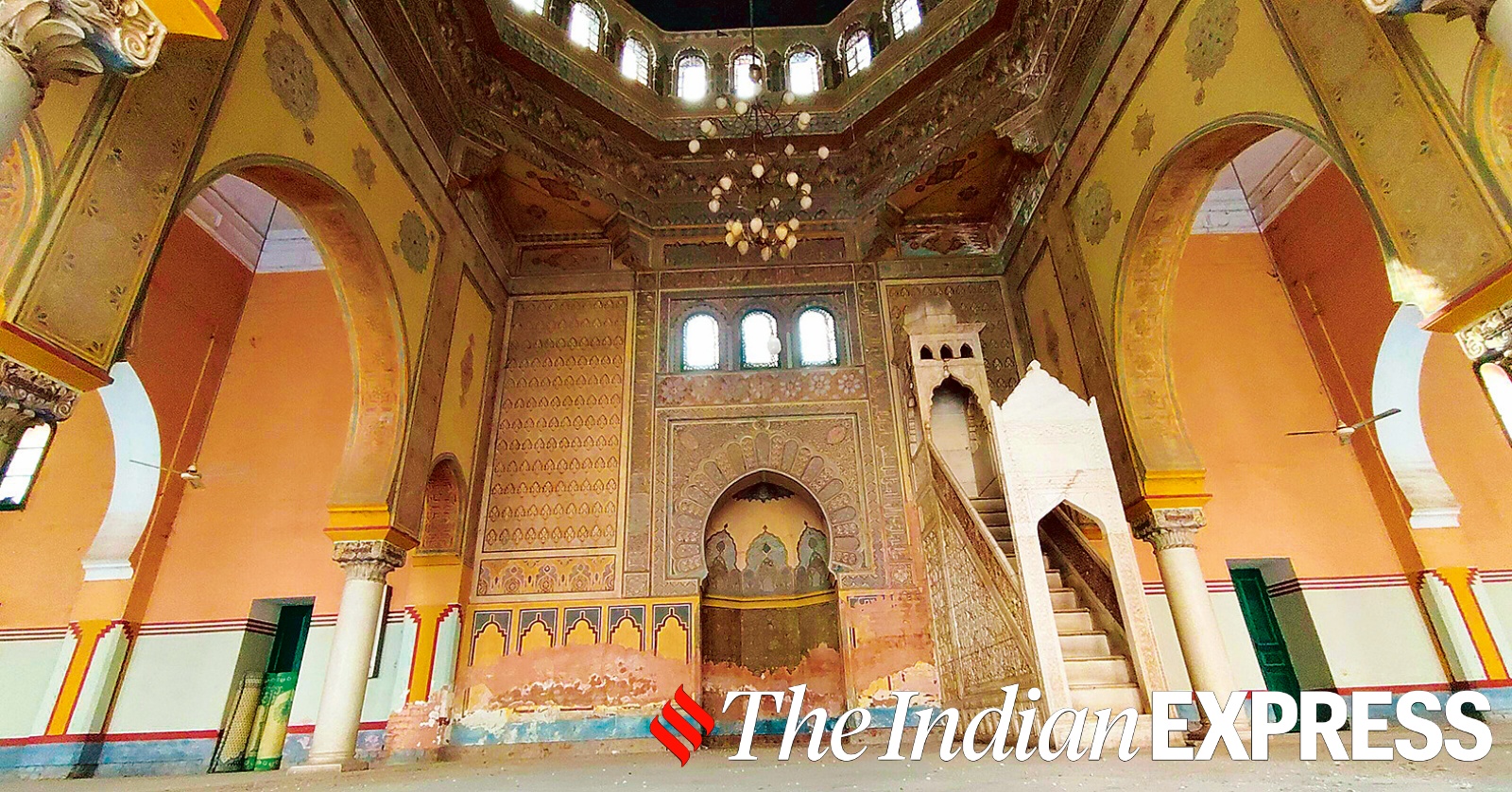 Moorish Mosque (Express photo by Jasbir Malhi)
Heritage activist Kiran Bawa, founder of the Kapurthala Heritage Association, notes that the departure of many original residents after the Rail Coach Factory was established also weakened the city’s emotional bond with its past. “Small town, everyone knew everyone. Bureaucrats, judges, army officers, artists.” The close-knit social world of annual dinners and friendships across political families has largely gone.
Story continues below this ad
Other losses are visible in the city skyline. The State Gurdwara Sahib that once had a red sandstone garden, has bathroom tiles and shops around it today. Shalimar Bagh, which houses the royal family’s cenotaphs, is now hemmed in by private enterprises. Opposite the partly restored old district courts stands a dhaba that has encroached shops and dug-up stretches. The main gate of the judicial complex, once the city’s entry point, has become a butcher’s shop. Much of the wall that depicted Kapurthala has disappeared. Nanakshahi bricks, designed with oval holes for cross-ventilation, have vanished.
The loss was cultural as well as architectural. Randhir College, once affiliated to Calcutta University, attracted Sanskrit students from Himachal and Garhwal. French was widely learned, and before Partition students studying the language received scholarships of Rs 17. Kapurthala produced basketball players who represented India at the 1952 Asian Games. Lala Amarnath played cricket from the city.
Musicians, writers and public figures emerged from its schools and clubs. A resident still remembers the musical evenings organised during Captain Amarinder Singh’s tenure, when international vocalists performed in front of the palace.
What remains & who’s fighting
 The historic Moorish Mosque in Kapurthala, a magnificent architectural landmark commissioned by Maharaja Jagatjit Singh, reflects the city’s rich heritage as the ‘Paris of Punjab’. (Express photo by Jasbir Malhi)
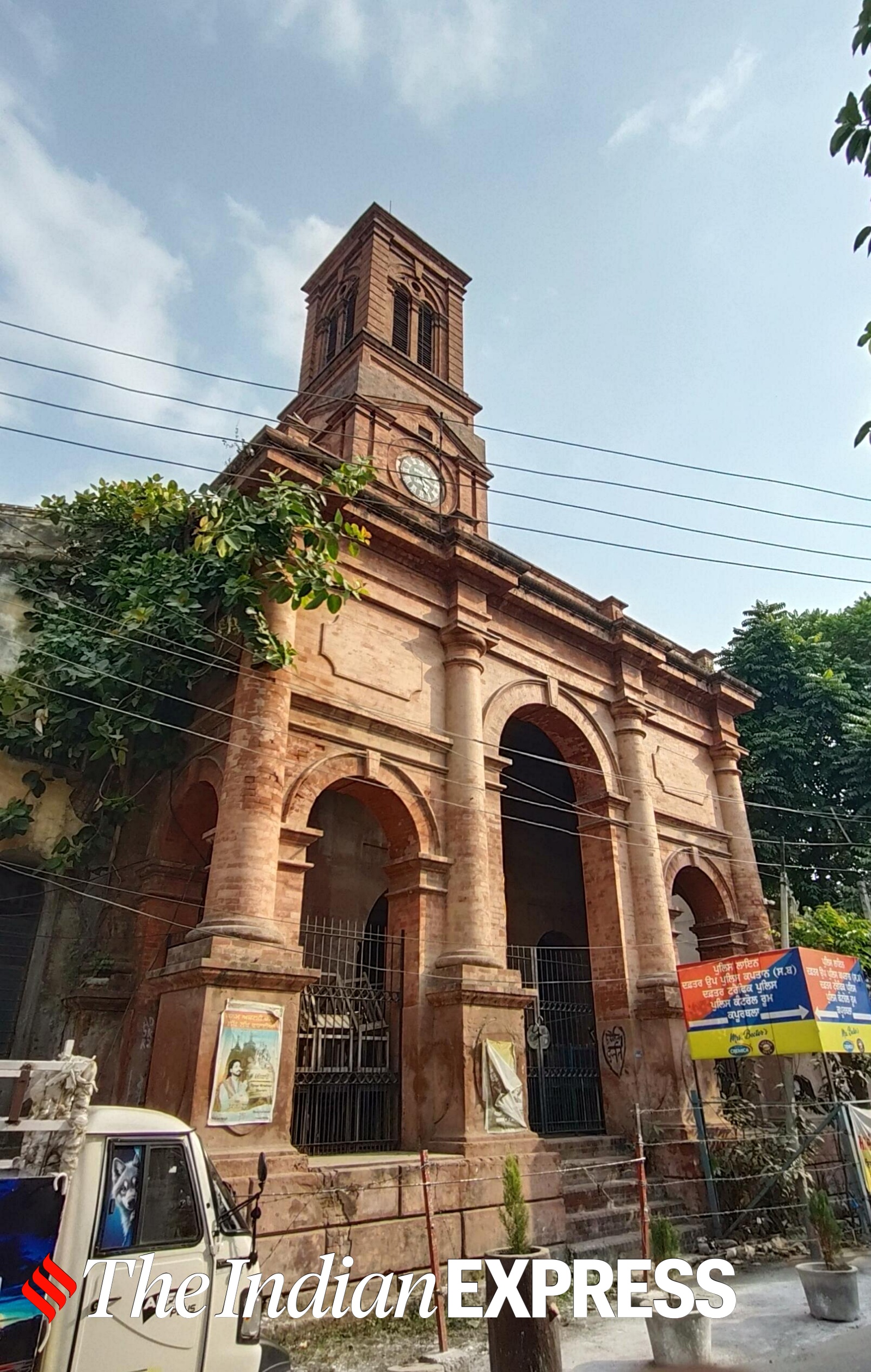
But not everything has been lost. The clock tower, one of the town’s most recognisable landmarks, carries a more hopeful story. Its London-made clock, associated with Benson, clockmaker to the Queen, stopped after Maharaja Jagatjit died in Mumbai in June 1949. Restored in recent years, it keeps time once again.
Story continues below this ad
The gol kothi, where successive maharajas were born, has been restored but remains closed. The old judicial complex, taken over by INTACH, is about 80 per cent restored; hotels are reportedly bidding for it. The Moorish Mosque, restored through a UNESCO-award-winning project in 2017, needs attention again.
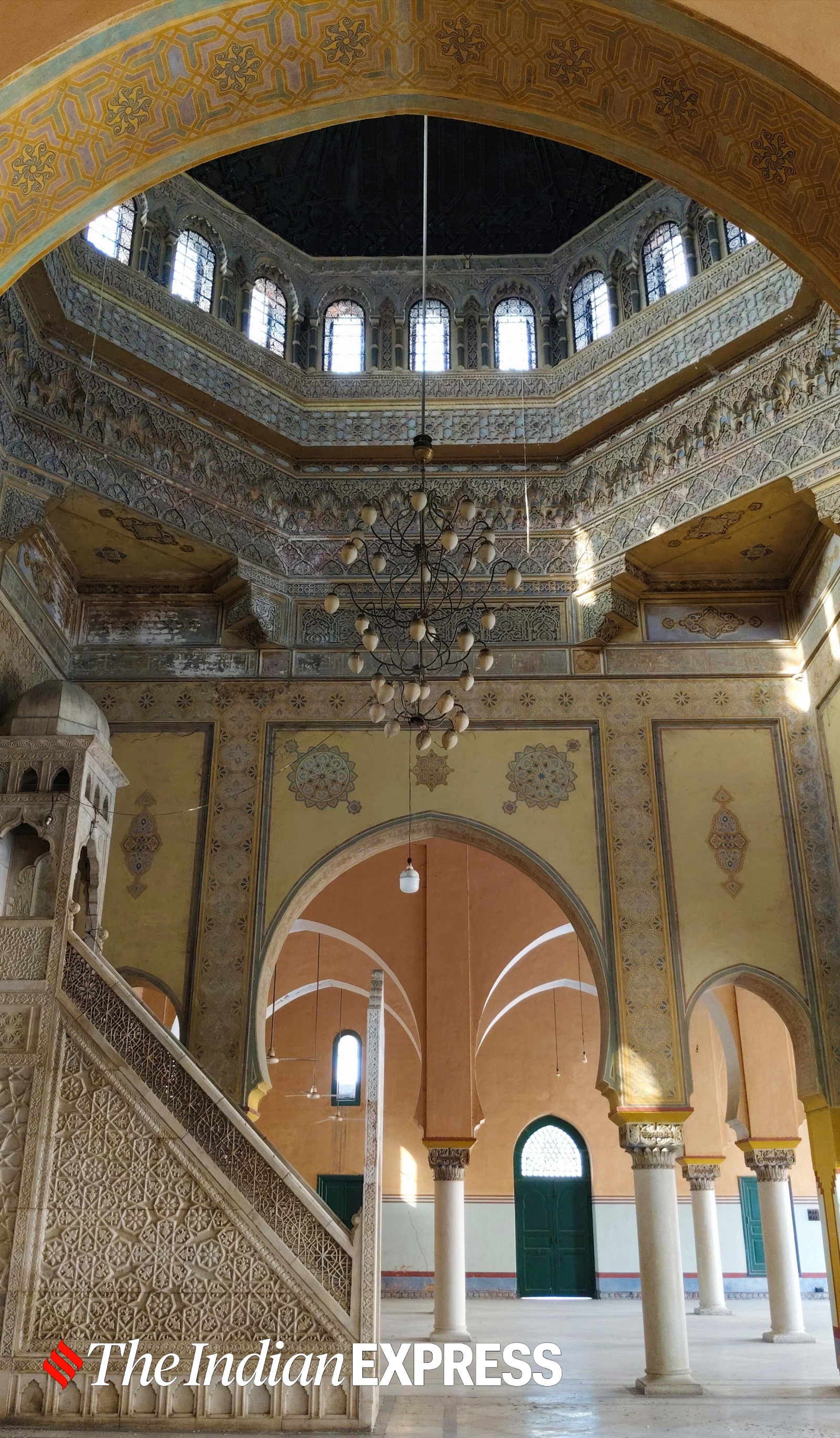 The historic Moorish Mosque in Kapurthala, a magnificent architectural landmark commissioned by Maharaja Jagatjit Singh, reflects the city’s rich heritage as the ‘Paris of Punjab’. (Express photo by Jasbir Malhi)
Inside the Sainik School, Class X students Anshuman, from Madhya Pradesh, and Jhunna Pal, from West Champaran, note that parts of the building, including the library, have been closed after glass fell from the ceiling. “This is a beautiful palace. The Ministry of Defence should do something about it. It should not be allowed to crumble,” they say.
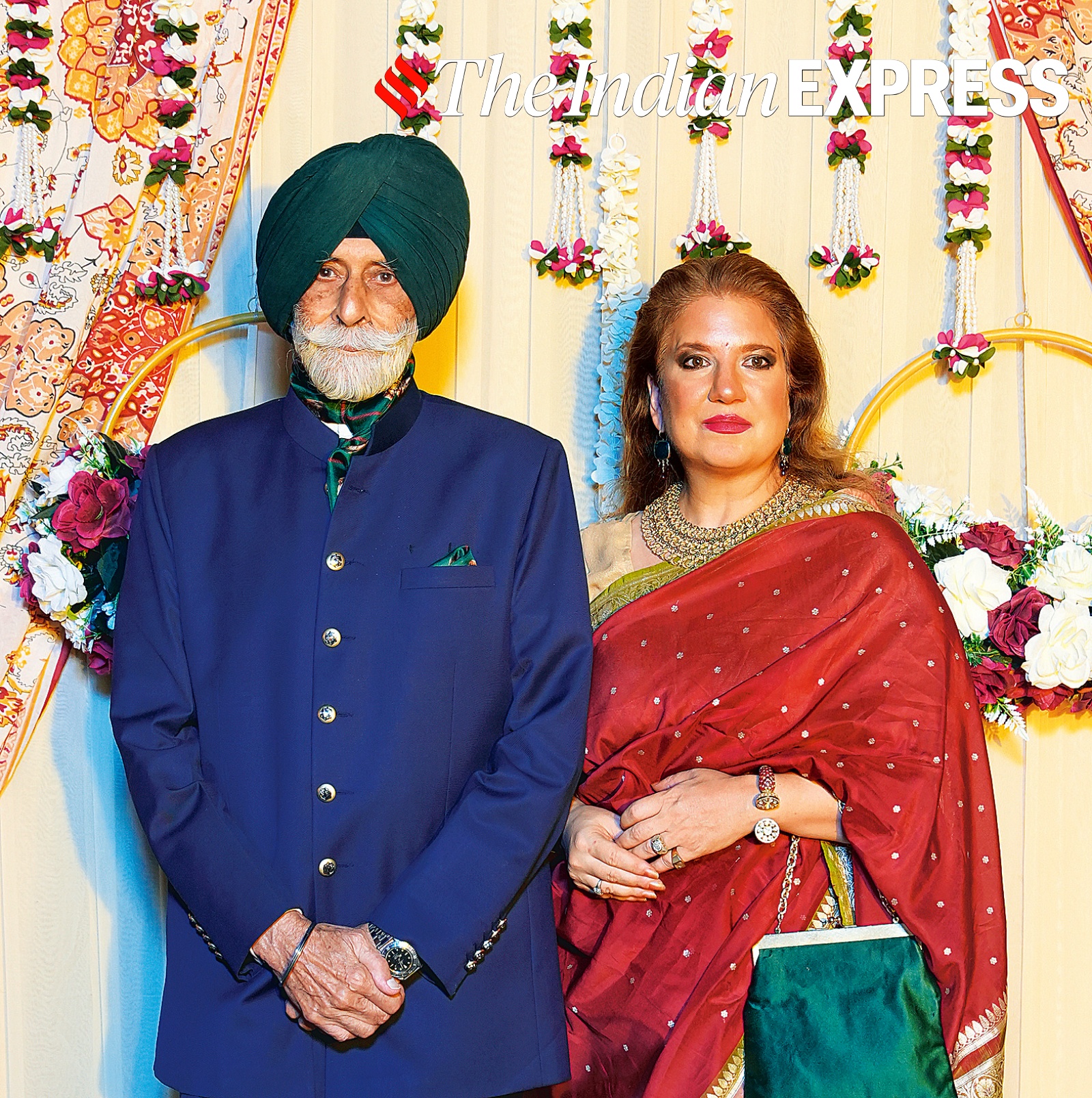
Cynthia Basant Kaur aka Cynthia Meera Frederick, an American-born art and architectural historian who married Sukhjit in June this year, has become a central figure in efforts to reclaim the city’s story. Her book Portraits, Painters and Princes, on European Artists and the Kapurthala Durbar, will be released later this month. A French production house is making a film on Maharaja Jagatjit for release in 2027.
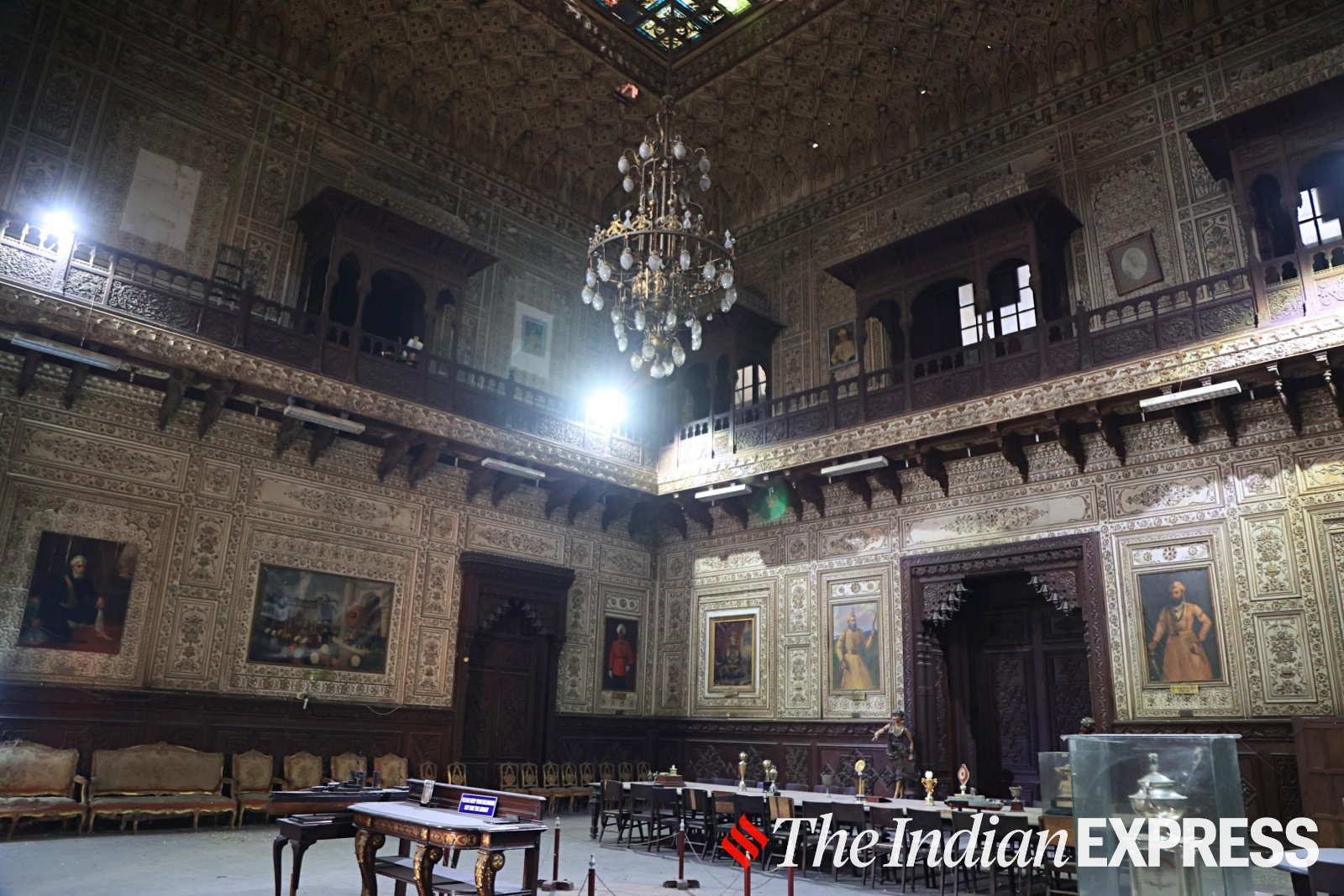 The historic Moorish Mosque in Kapurthala, a magnificent architectural landmark commissioned by Maharaja Jagatjit Singh, reflects the city’s rich heritage as the ‘Paris of Punjab’. (Express photo by Jasbir Malhi)
Her connection with Kapurthala began in 2007 at an INTACH event in New Delhi. “To my great surprise, my future husband came up to the podium. I truly believe it was serendipitous,” she recalls. His extensive library, half of whose books she already owned or had read, strengthened the bond. So did the food. During an early visit he served her sarson ka saag and makki ki roti, warning that the dish might taste too bitter. She cautiously tried it, then helped herself to three servings. He declared her a true Punjabi. “I may be American by birth and Malabari by descent, but I am Punjabi by fate,” she says.
Story continues below this ad
Maharaja Jagatjit’s romance with the Spanish dancer Anita Delgado, whom he met in Paris in 1906 and who became Maharani Prem Kaur, remains part of the city’s lore. The story later inspired Javier Moro’s 2005 novel Pasión India. In 2022, an Andalusian government commission recognised Anita’s contribution to the fight for women’s rights. The episode is colourful, but it is only one thread in a larger civic story.
The anniversary that matters
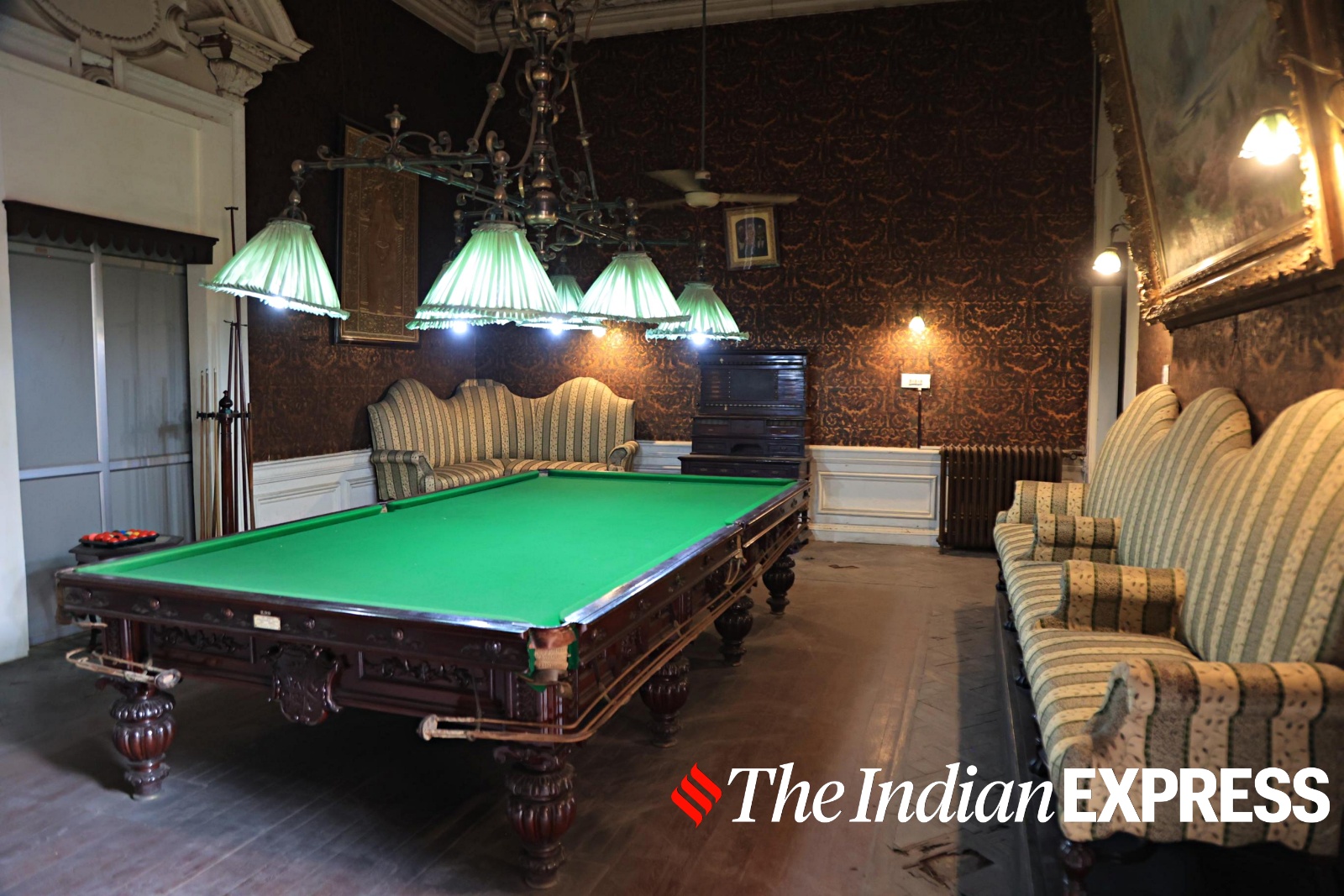 Sainik School Kapurthala, established in 1961, is housed in the historic Jagatjit Palace, inspired by France’s Palace of Versailles (Express photo by Jasbir Malhi)
Even today, locals are mindful of the town’s French heritage. Ameen Kaur, a 23-year-old student activist, born and raised here, accepts that there is little nostalgia. “We grew up seeing dilapidated buildings, relics of its royal past. So we are not nostalgic about it.”
But Sukhjit insists that restoration must begin with a clear plan for a building’s eventual use. An inventory of buildings and a viable end-use plan must come first. Heritage, he argues, needs seed funding and sustained government commitment rather than sporadic projects.
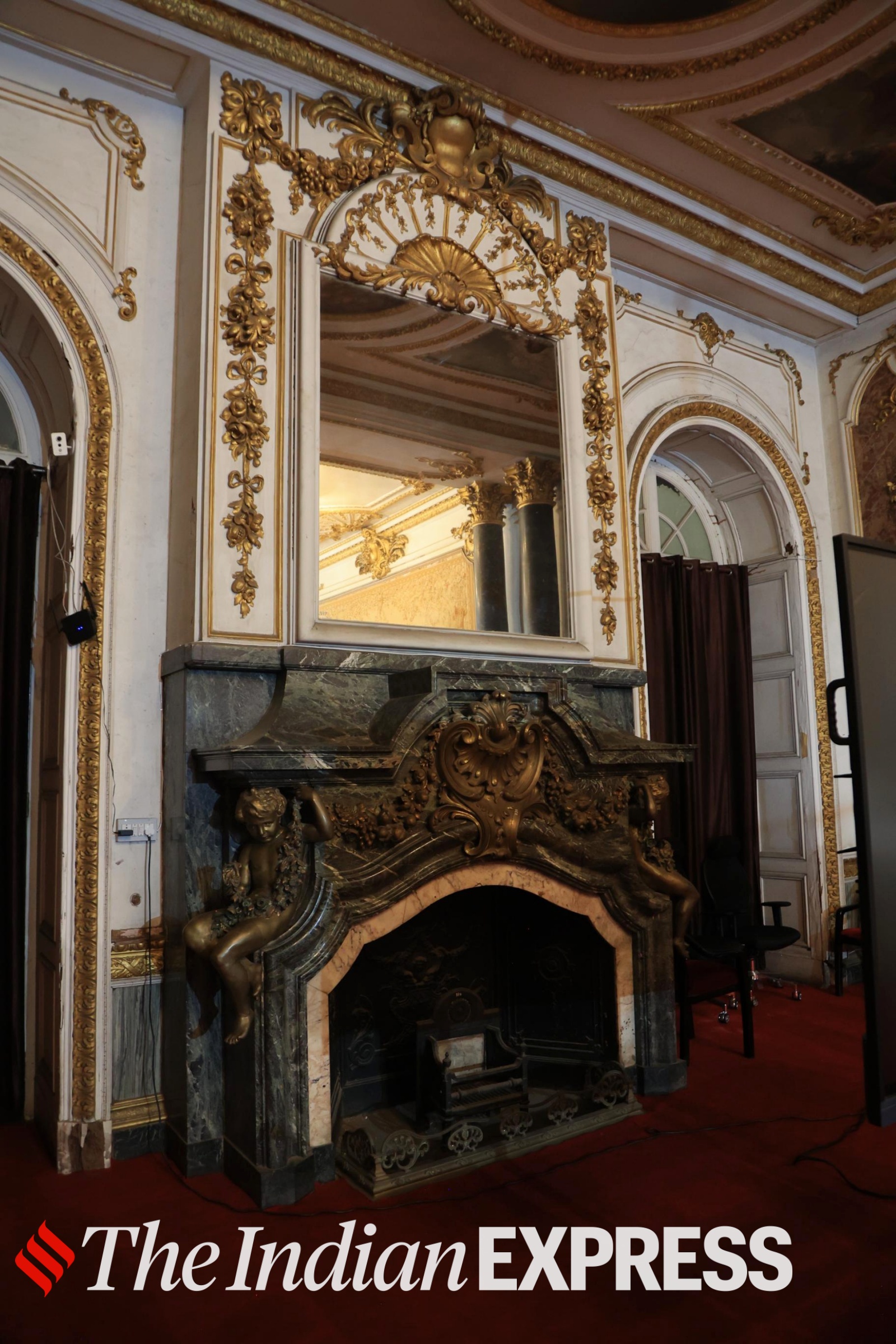 Sainik School Kapurthala, established in 1961, is housed in the historic Jagatjit Palace, inspired by France’s Palace of Versailles (Express photo by Jasbir Malhi)
Residents echo the call. Sandhawalia wants a dedicated committee, with administrators to coordinate restoration and tourism. Bawa says friends are willing to invest if the government offers a credible plan and revenue model. Cynthia has approached successive governments with proposals for an international tourism circuit, linking Amritsar, Kapurthala and Patiala with visitors flying out of Chandigarh. She puts the matter simply: “Heritage belongs to the people. It belongs to everyone, not just to one family.”
Story continues below this ad
Major General Balwinder Singh (retd), convenor, INTACH, Punjab chapter, says they have prepared a detailed report on the state of various monuments in Kapurthala, including Sainik School, and will start an effort to raise funds through CSR.
For Cynthia and the residents, the anniversary is not about celebrating a vanished monarchy. It is a chance to treat Kapurthala’s architecture, institutions and civic spaces as public wealth rather than a burden. Kapurthala once imagined itself as little Paris in Punjab. Whether it can reclaim even part of that distinction will depend on the will to preserve it.
KioskNews shows a cleaned-up reading view extracted from the publisher’s page — the original always lives on their site, not ours.